 English
 Le français
 Türkçe

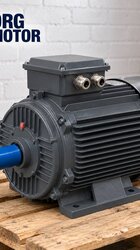
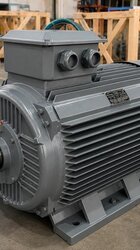
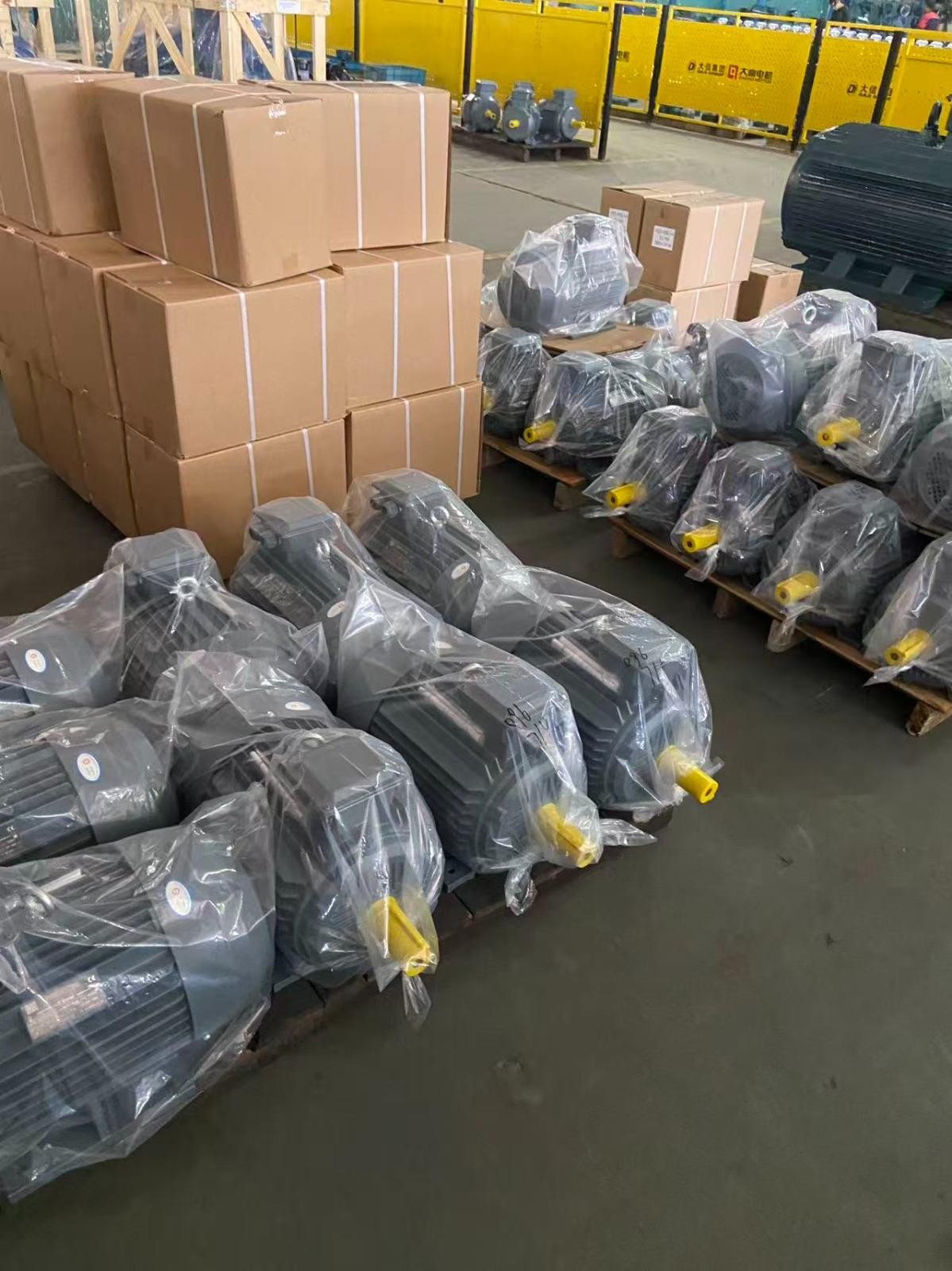

0.25 KW 1500 RPM ELECTRIC MOTOR
CONTACT: +90 542 666 11 11
At 0.25 kW the design question is not how much power the motor makes but how little it disturbs what it drives. A four-pole machine of 250 watts turning at 1500 RPM is chosen for dosing pumps, small metering drives, laboratory equipment and instrument stands, where a steady shaft matters more than output.
That changes what has to be checked at the order stage. A motor this small is almost always started directly across the line, so the thermal setting on the contactor is matched to the rated current on the nameplate and not to the rating in a catalogue. At 0.25 kW the current is small enough that a protection device sized for the next step up will not protect the winding at all.
Frame material at this size is a handling decision more than a mechanical one. An aluminium die-cast housing keeps the assembly light enough for one person to carry and bolt down, which is why it is standard here; cast iron is offered where the motor sits on a vibrating machine and the extra mass is wanted.
Protection is specified against the room, not the rating. IP55 covers dust and splashing water and suits most workshop and laboratory positions; IP65 is the option where the equipment is washed down or stands where liquid is handled.
Internally the build does not shrink with the rating: high-purity copper windings, Class F insulation, a dynamically balanced rotor and sealed bearings are the same specification used further up the range. A 0.25 kW machine in an automation cell can accumulate more running hours in a year than a large motor on a batch process, and it is built for that.
Efficiency class matters here for a reason that is easy to miss. One 0.25 kW motor is negligible on a bill; twenty of them in a single automation line are not. The model is supplied in IE2 as standard with IE3 on request, and on a cell that runs unattended around the clock the higher class is the one worth ordering.
Mounting decides whether the motor fits the machine at all. B3 feet suit a bracket or base plate, a B5 flange bolts the motor straight onto a pump or gear head, and the smaller B14 face flange is usually what solves a tight enclosure. Shaft diameter, terminal box orientation and flange dimensions are made to the project where a standard part will not sit.
Where the drive is monitored, the options are ordered with it rather than added later: PTC thermistors or PT100 sensors for winding temperature, an encoder where speed or position is read back, and automatic greasing where the motor is awkward to reach. In a laboratory or an automated line these are what let a fault be seen before it stops the process.
Maintenance at this rating is largely a matter of leaving it alone: sealed bearings, a rotor balanced at the works and low vibration leave little to service beyond keeping the fan path clear. What shortens the life of a small motor is not wear but a protection device set for a larger one.
Send the driven machine, the duty cycle and the mounting you need, and we confirm whether 0.25 kW is the right step or whether the load asks for the rating above it. You can order this and the neighbouring ratings from DRG Motor.