 English
 Le français
 Türkçe


Our Quick Access Phone Numbers:
+90 (542) 666 11 11
+90 (533) 777 04 44
Mail : [email protected]
The most common mistake in buying an electric motor is treating the label as the whole cost. A drive that runs continuously spends more on electricity in a single year than it cost to buy; over its life the purchase price is often under 5 percent of the total. Affordable and cheap are not the same thing. Driving a pump with an 11 kW motor just in case, when 7.5 kW covers the duty, is not a saving — the oversized machine sits at part load and never reaches the efficiency it was paid for. Nor is it a saving to keep straining a motor that is too small for the load.
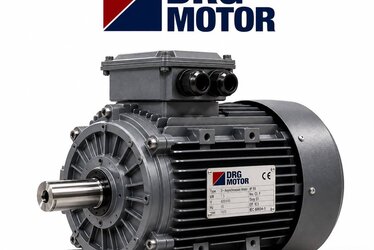
DRG MOTOR | Sales of High Efficiency Electric Motors
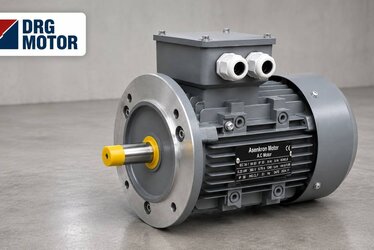
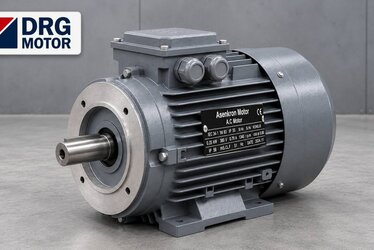
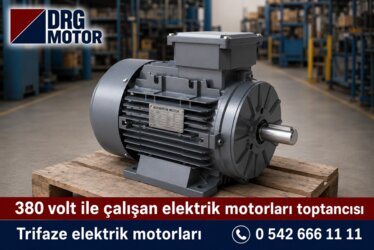
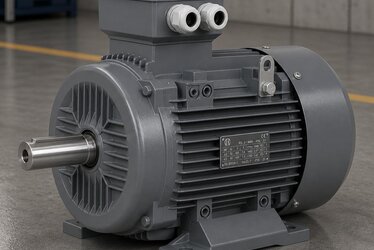
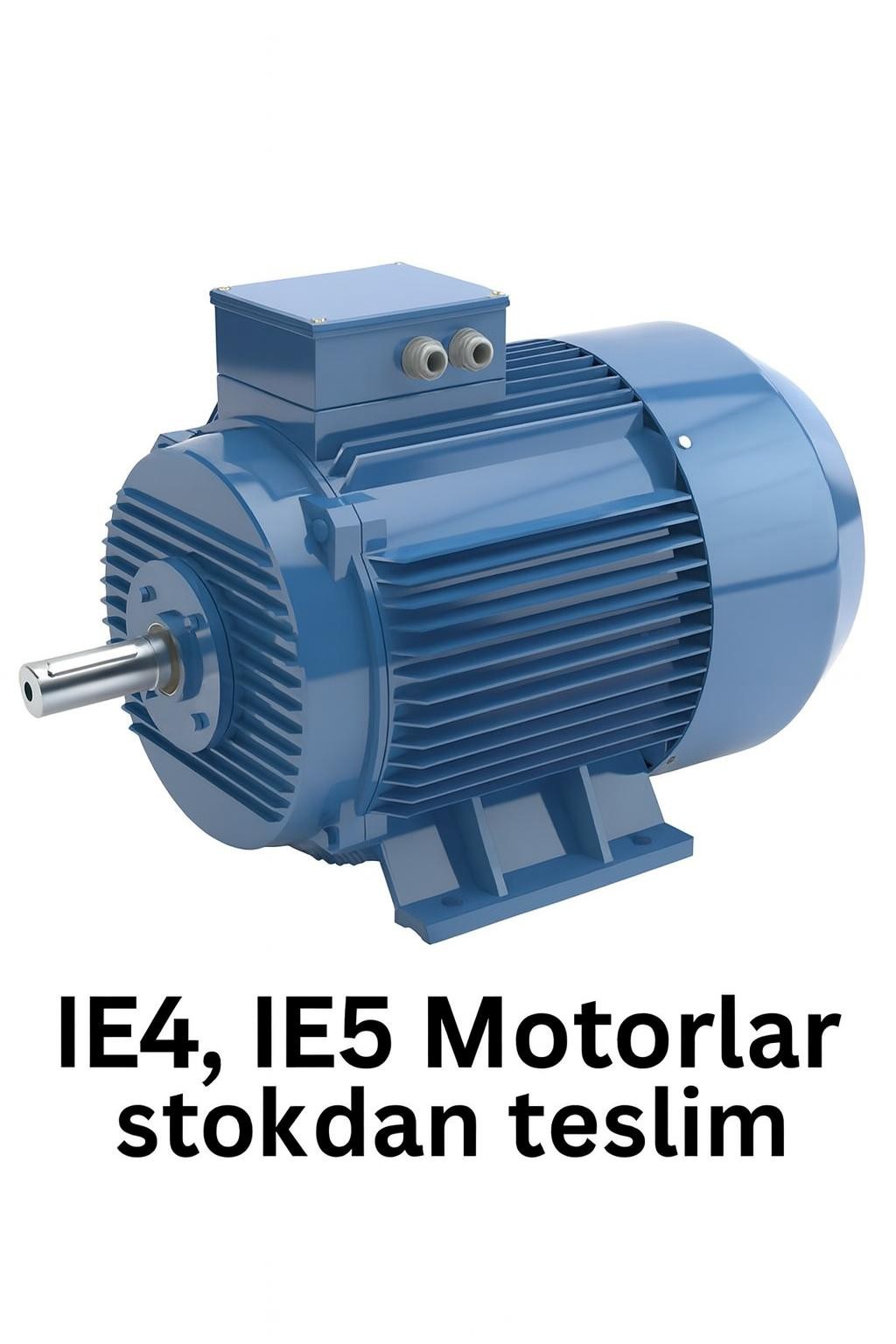
So we quote against the duty rather than the catalogue line: the application, the running hours, the air around the motor, and the rating, speed and mounting of the machine being replaced. Pole count fixes the speed — 2 poles near 3000 rpm, 4 poles 1500 rpm, 6 poles 1000 rpm — and choosing it wrongly forces a belt-and-pulley correction that costs efficiency for as long as the motor stays installed. Mounting has to match too: B3 feet for a general drive, B5 flange where the motor bolts straight to a pump, B14 face flange in a compact machine. Our range covers 0.55 kW to 355 kW at 400 V / 50 Hz in IE3 and above, IP55 protection and Class F insulation, and the common ratings are held in stock, because a stopped line cannot wait a month for the cheapest offer.