 English
 Le français
 Türkçe

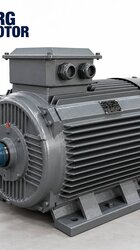
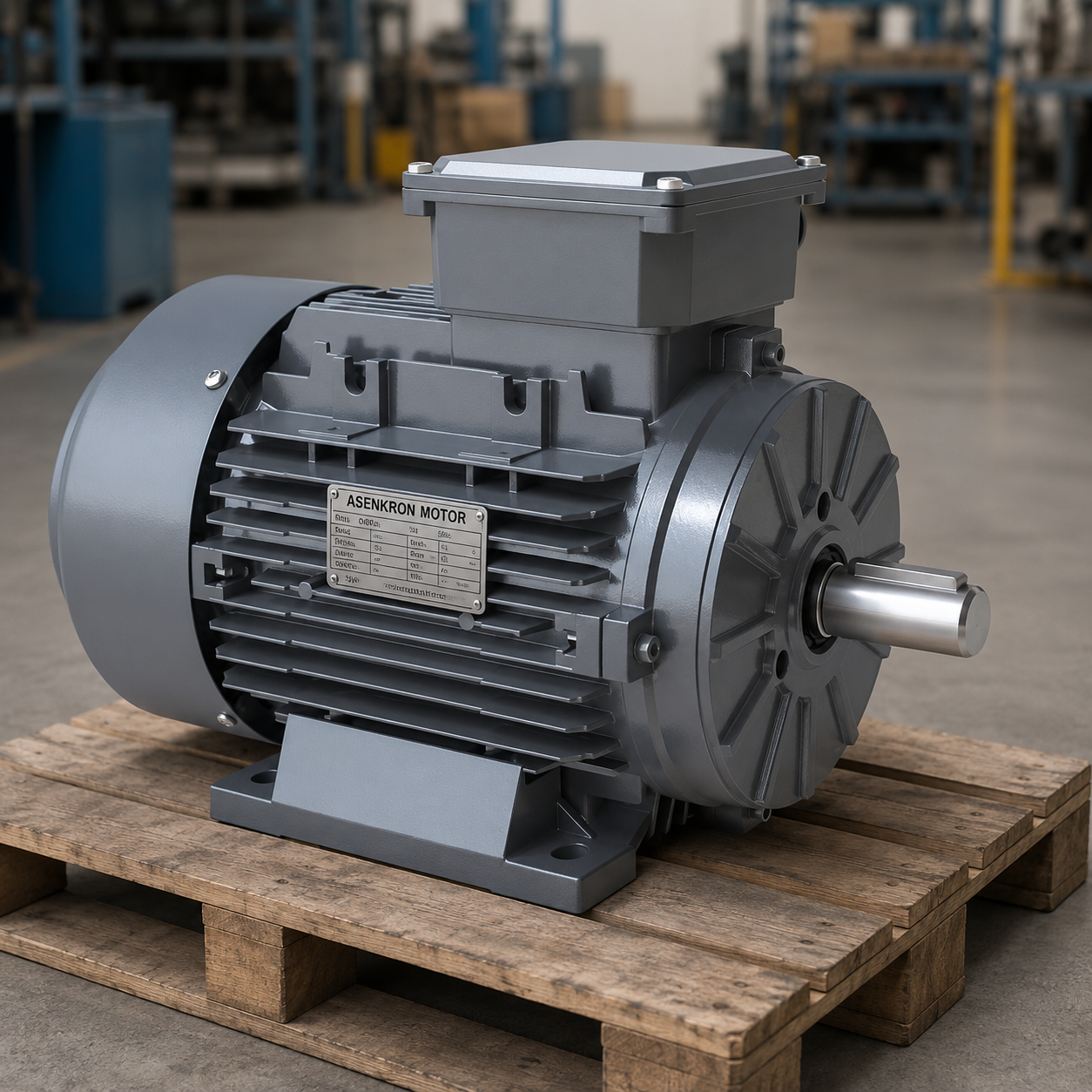
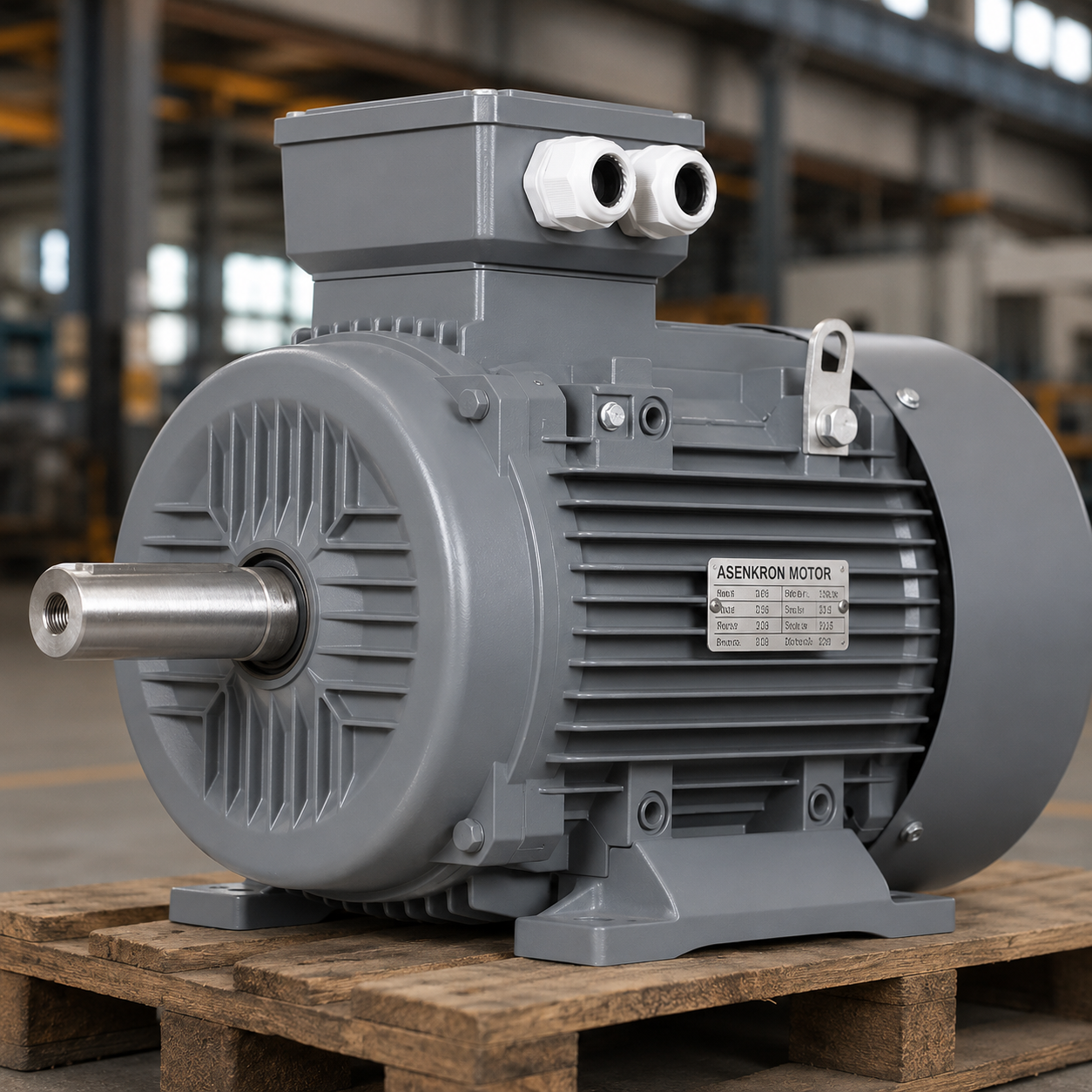

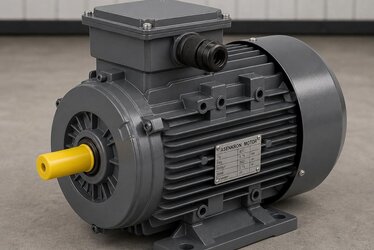
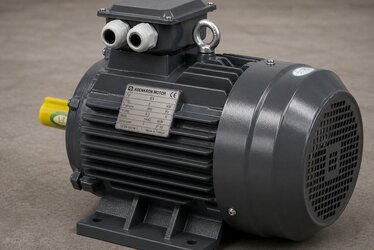
2.2 kW 1500 RPM Three Phase Motor – Conveyor and Gearbox Drives
The 2.2 kW frame is where conveyors, mixers and geared drives usually sit. At roughly 3 HP and four poles it produces more torque than the ratings below it can start a loaded belt with, and it is small enough to mount directly on a gearbox rather than through a belt and pulley.
That changes the question behind the enquiry. Asked for 2.2 kW 1500 RPM electric motor prices for a conveyor, what has to be settled first is the starting condition: a belt that is loaded when the motor is switched on needs breakaway torque, and a motor sized on running power alone will trip on every start.
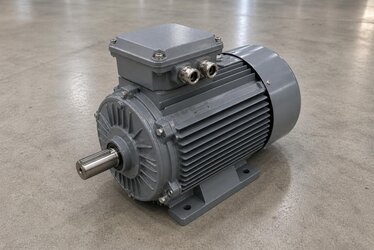
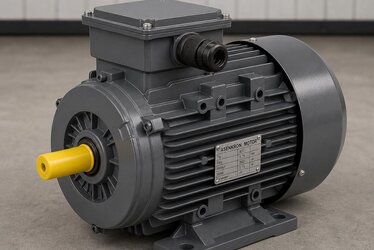
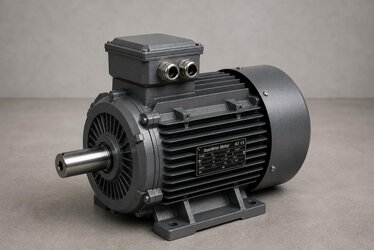
DRG Motor supplies the 2.2 kW four-pole three-phase machine at 380–400 V, 50 Hz in B3, B5 and B35 mounting, so it bolts to a base plate or straight onto a gearbox input flange. What follows is the drive side of the decision.
Starting a Loaded Belt
Running a conveyor and starting one are different duties. Once moving, a belt absorbs a steady power; standing still and fully loaded, it needs a higher torque for a few seconds to break away. At 2.2 kW that difference is the reason a drive is specified against its starting condition and its duty cycle rather than against a single power figure.
Where a conveyor is started loaded many times a shift, the number of starts matters as much as the load itself, because each one heats the winding.
Conveyor, Gearbox and Mixing Duties at 2.2 kW
The 2.2 kW frame drives machinery that moves or works material rather than fluid.
It is used on:
- Belt conveyors on production and packing lines
- Modular and roller conveyors
- Chain and slat conveyors
- Screw conveyors and augers
- Bucket elevators
- Geared drive units and worm gearboxes
- Batch mixers and paddle agitators
- Ribbon blenders and dough mixers
- Rotary valves and airlocks
- Vibrating feeders and screens
- Palletisers and case packers
- Extruder take-off and haul-off drives
- Woodworking feed and moulding machines
- Sorting and inspection lines in recycling plants
- Textile and film winding drives
- Small crushers and granulators
- Feed and grain handling machinery
- Washing and drying line drives
In these positions the motor is bolted to a gearbox or a driven shaft, so the mechanical interface and the starting duty carry the specification.
Mounting on a Gearbox Rather Than a Belt
A motor flanged straight onto a gearbox removes the belt, the pulleys and the losses that go with them, but it makes the flange and shaft dimensions non-negotiable.
The points that decide it:
- B5 flange onto the gearbox input, B3 feet for a belt-driven layout
- B35 where the drive needs both a flange and feet
- Shaft diameter and length to match the gearbox bore or coupling
- Flange pitch circle and spigot to match the gearbox housing
- Key and keyway to suit the transmitted torque
- Terminal box orientation clear of the guard and the frame
- Base plate or bracket stiff enough for the starting torque
- Alignment checked after the drive has run warm
- IP55 protection where the line is hosed down
- Number of starts per hour declared before the motor is sized
A direct-flanged drive is quieter and more efficient than a belt, provided the interface is right the first time.
What Moves 2.2 kW 1500 RPM Electric Motor Prices
On a conveyor drive the price follows the interface, the duty cycle and the accessories the control needs.
The variables are:
- IE3 Premium Efficiency or IE4 Super Premium Efficiency
- B3, B5 or B35 mounting, with the flange designation
- Aluminium or cast iron frame
- IP55 as standard, or higher protection for washdown lines
- Shaft and flange dimensions to suit the gearbox
- Class F insulation
- A brake, where the load has to be held after stopping
- An encoder, where position is read back to the control
- Winding sensors for a drive that starts frequently
- Suitability for inverter control on a variable-speed line
- 100% copper windings
- Order quantity, where a line uses several identical drives
- Stock position against the installation date
A conveyor line that uses one motor reference throughout is cheaper to buy and far cheaper to keep spares for.
Technical Specifications
The 2.2 kW three-phase machine is built to IEC dimensions so it interchanges with the drive motor it replaces.
Standard Technical Features
- Rated Output: 2.2 kW
- Approximate Power: 3 HP
- Rated Speed: 1500 RPM
- Four-pole induction motor
- Three-phase operation
- Operating Voltage: 380–400 V
- Frequency: 50 Hz
- IE3 Premium Efficiency
- Optional IE4 Super Premium Efficiency
- 100% copper windings
- Cast iron or aluminum frame options
- IP55 protection class
- Class F insulation
- Precision-balanced rotor
- Low vibration design
- Quiet operation
- Long-life industrial bearings
- Continuous-duty operation
- IEC-compliant construction
- Available in B3, B5, and B35 mounting configurations
Speed Control on a Conveyor Line
Conveyors are the duty where inverter control pays for itself in product handling as much as in energy: the belt starts and stops gently, and the line speed can follow the machine it feeds.
Running a 2.2 kW conveyor drive on an inverter gives:
- Controlled acceleration, so product does not shift on the belt
- Line speed matched to the machine downstream
- Lower starting current, so the supply sees no repeated surge
- Less shock through the gearbox, chain and coupling
- Fewer nuisance trips on a frequently started drive
- Power drawn following the actual load on the belt
- Quieter running at reduced speed
- Cooling reviewed where the drive runs slowly for long periods
On a drive that spends hours at low speed the motor's own fan no longer cools it adequately, and forced cooling is considered at the design stage.
Renewing an Existing Conveyor Drive
Most 2.2 kW orders replace a motor already on a machine, and the replacement succeeds or fails on measurements taken before the old one comes off.
What to record first:
- The running current across a full cycle, not the old nameplate rating
- The number of starts per hour the drive actually sees
- Shaft height, shaft diameter and keyway of the existing motor
- Flange dimensions where the motor mounts to a gearbox
- Terminal box orientation and the existing cable route
- Thermal setting on the starter, to be reset to the new current
- Ambient conditions at the position, including washdown
With those figures the replacement is sized to the work the drive does rather than to the plate on a motor that may itself have been oversized.
Why Choose DRG Motor
A conveyor drive is judged on whether the line runs, so what matters is the fit, the delivery and the spare on the shelf.
What we provide:
- Shaft and flange made to the gearbox interface
- One motor reference repeated across a whole line
- Common ratings held in stock for short lead times
- Brake, encoder and sensor options fitted at the works
- IE3 and IE4 quoted side by side
- Sizing checked against the starting duty, not just running power
- Cast iron or aluminium frames as the position requires
- Support on inverter and thermal settings at commissioning
- Spares on the same reference years afterwards
- Delivery dated against your installation window
Ordering the 2.2 kW Conveyor Drive from DRG Motor
Send the gearbox or driven machine, the load, the number of starts per hour and the mounting, and the 2.2 kW 1500 RPM three-phase motor is quoted against the starting duty rather than the running figure alone.
The machines are supplied with 100% copper windings, aluminium or cast iron frames, IP55 protection, Class F insulation and IEC dimensions, in IE3 and IE4 efficiency classes at 380–400 V, 50 Hz.