 English
 Le français
 Türkçe

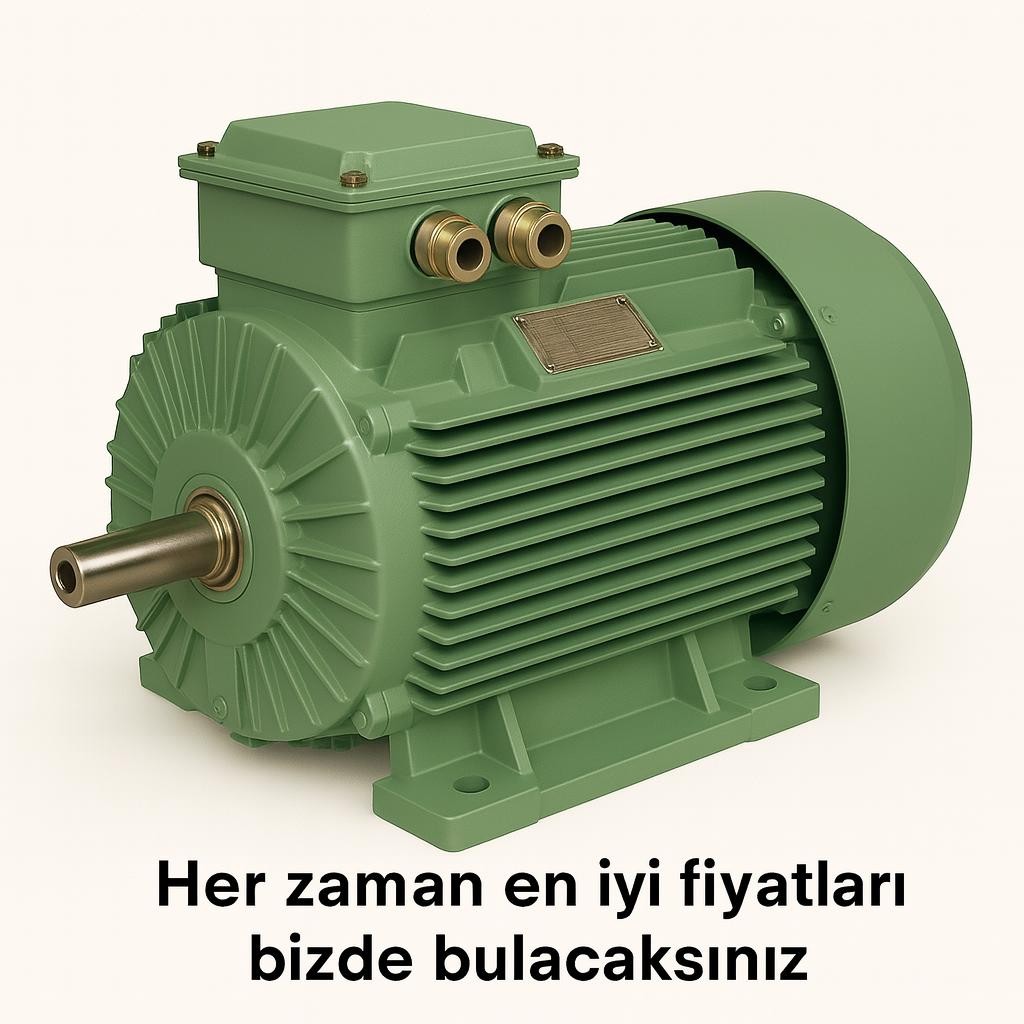

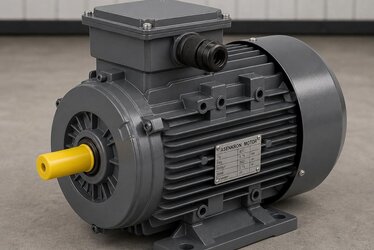
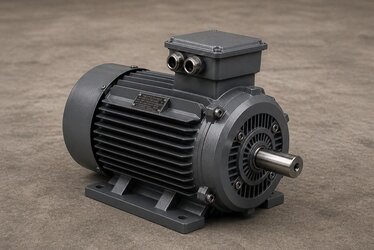
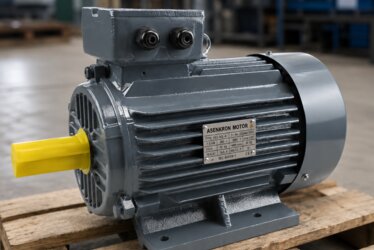
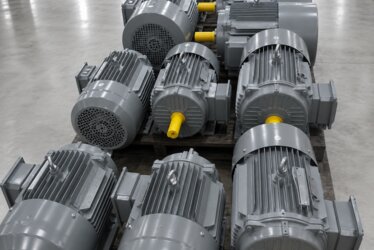
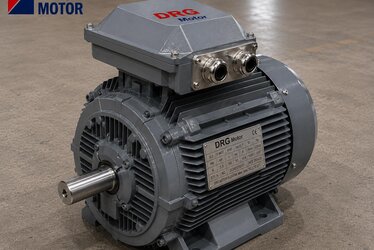
A 90 kW motor turning at 3000 rpm puts more mechanical demand on its housing than the same power at 1500 rpm. The cast iron body of this step damps that vibration, carries the heat away through the ribs and keeps the shaft line stable under continuous load.
Why Weight Helps at 3000 rpm
Cast iron is heavier and stiffer than aluminium, and at 3000 rpm that mass is an advantage: it absorbs the residual unbalance instead of transmitting it to the foundation. The same stiffness keeps the bearing seats in line, which is where a high-speed motor usually fails first.
Where a 90 kW 3000 rpm Motor Is Used
High-pressure pumps and large blowers take this combination most often, because both want speed rather than torque. Crushing plants, pump stations and crane drives use the cast iron body for the opposite reason: constant load and impact.
What Maintenance Looks Like on This Frame
A stiff housing keeps vibration low, and low vibration is what extends bearing intervals. Practically this means regreasing on schedule, keeping the fan cover clear, and watching the vibration trend rather than waiting for noise.
The Balance Test Decides This Step
Insulation resistance, vibration and balance, efficiency with cosφ and a load check are all recorded before shipment. For a 2-pole 90 kW rotor the balance figure is the one that matters most, because an unbalance tolerable at 1500 rpm becomes visible vibration at 3000 rpm.
Checking the Frame Before Ordering
Shaft diameter, mounting type and foundation dimensions decide whether this 90 kW unit drops into an existing base. Our cast iron electric motor page covers the body itself; send the plate values of the unit you are replacing and we confirm the fit.
Supply and Delivery of This Step
The specification is fixed: 100% pure copper windings, cast iron body, IP55 protection, F insulation class, to IEC 60034 and European Union Ecodesign. The 90 kW step is among the commonly stocked sizes, so replacement orders usually wait for freight rather than production. The wider catalogue sits in our industrial electric motors guide.
Frequently Asked Questions
Would an aluminium body work at 90 kW?
The deciding factor is the duty, not the power alone. Where vibration and impact are constant, cast iron holds the shaft line better; where weight and portability matter and the load is smooth, aluminium is the practical choice.
Which speeds are offered at 90 kW?
90 kW sits in the middle of the 0.55–355 kW range and is available in more than one speed; 3000 rpm suits pumps and blowers, while lower speeds are chosen where torque matters. Tell us the driven machine and we name the speed and mounting.