 English
 Le français
 Türkçe

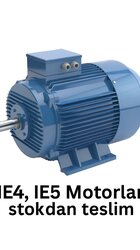
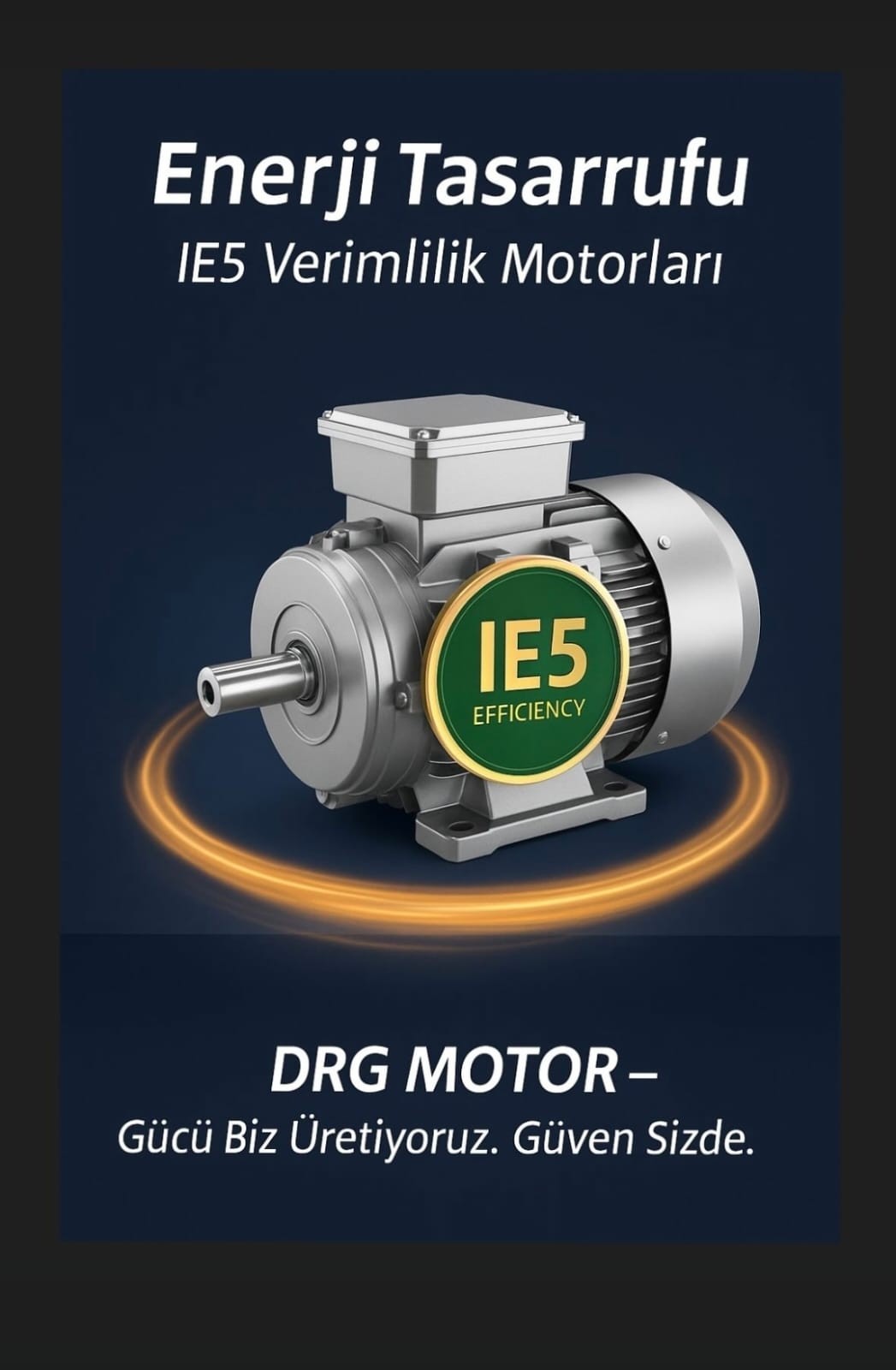

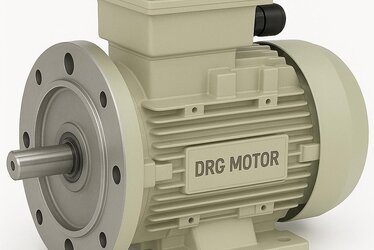
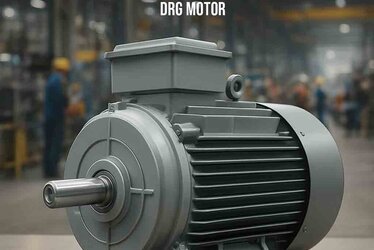
Across a motor's service life, the invoice at purchase counts for far less than the efficiency class. Where a machine runs without interruption, years of energy use dwarf the price tag.
Where IE5 Sits in IEC 60034-30-1
IEC 60034-30-1 grades low-voltage asynchronous motors from IE1, the standard level, up to IE5, the ultra premium level. Each step is defined by a fall of roughly 20 percent in total losses, measured for one rating and one speed. IE3 is the minimum legal level across most power bands in the European market today, while IE4 and IE5 are the steps taken on continuously running critical drives. Depending on rating and pole count, an IE5 motor reaches nominal efficiency in the 92 to 96 percent band.
Where the Extra Efficiency Physically Comes From
Efficiency states what share of the electrical input arrives at the shaft; the remainder becomes heat. Climbing to IE5 means trimming that heat at every source at once.
- Thicker copper winding sections lower resistance to current and cut copper loss.
- Thin, low-loss silicon steel laminations limit iron loss and hysteresis effects.
- Slip losses fall with a tuned air gap and reshaped squirrel-cage rotor geometry.
- Low-friction bearings and an efficient fan design pull down mechanical loss.
Taken together, these measures hold the machine at a lower temperature while it delivers identical shaft power on less current.
Poles, Speed and Torque
Pole count sets synchronous speed on a 50 Hz network: 2 poles give 3000 rpm, 4 poles 1500 rpm, 6 poles 1000 rpm. Real speed sits slightly below those values because of slip. Torque comes from power divided by speed, so a 4-pole motor of a given kW rating produces more torque than a 2-pole one. Pumps and fans pair well with 1500 rpm; conveyors and agitators are selected on torque demand instead.
Housing Material and Ingress Protection
Cast iron damps vibration, keeps bearing alignment intact and lasts under heavy industrial conditions. Aluminium is lighter, so handling and mounting are easier. IP55 protection keeps the winding safe in dusty locations and where splashing water is present. Class F insulation withstands up to 155 °C, and S1 duty allows full-load running without interruption.
Mounting Options and Power Range
B3 foot mounting bolts to a floor or a base frame. A B5 flange bolts straight onto a gearbox or pump body, while B14 handles small-flange work. With these options the range runs from 0.55 kW up to 355 kW on a 400 V / 50 Hz supply.
Putting a Number on the Saving
Take a 30 kW motor running 6000 hours a year. Around two efficiency points between IE3 and IE5 translate into roughly 0.6 kW of extra input power, which is about 3600 kWh of additional consumption per year. Multiply that gap across dozens of motors in one plant and the extra outlay for the better class returns on its own.
Which Class for Which Duty
Running hours decide the answer. IE3 remains adequate for a machine used briefly each day with frequent stops. Pump stations, fan banks, compressors and conveyors that never stop belong on IE4 or IE5, because energy dominates their cost of ownership. A balanced route begins at IE3 and lifts critical lines above it; our electric motor guide lays the comparison side by side.
Pairing IE5 with an Inverter Drive
The gain from IE5 shows most clearly under variable load. Under inverter control the motor matches its speed to the power actually demanded; with cubic loads, fans and pumps among them, trimming speed slightly cuts consumption sharply. Two points deserve attention: winding insulation must handle the voltage pulses, and bearing selection should prevent shaft currents.
Heat, Noise and Bearing Life
Lower loss means a lower operating temperature. At identical load an IE5 motor stays cooler than its IE3 counterpart, which slows insulation ageing and extends grease life in the bearings.
Rank your drives by annual running hours and move the top of that list to IE5 first; those machines pay the difference back fastest.