 English
 Le français
 Türkçe

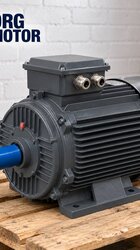
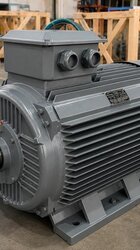
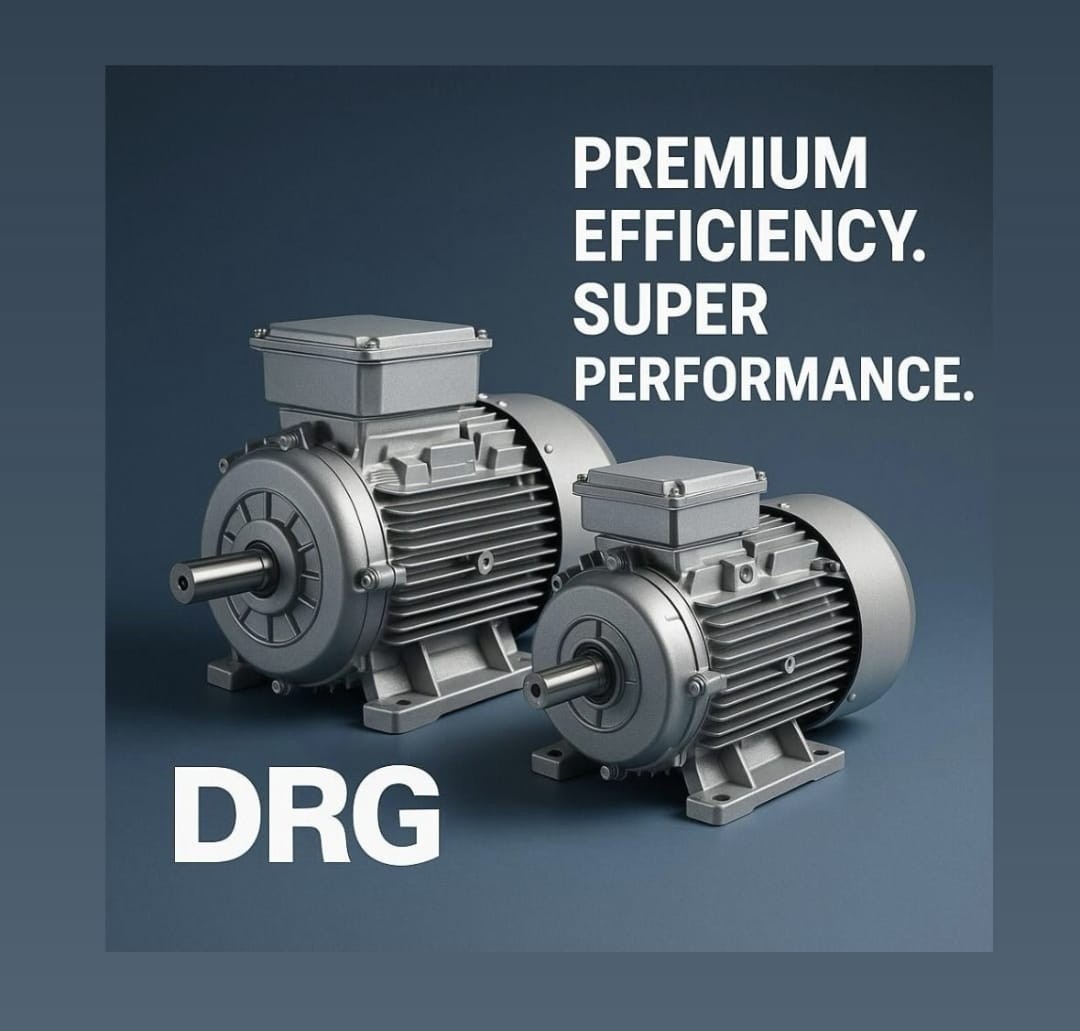

Electricity is the largest single item in lifetime cost for any pump, fan or compressor line with high running hours. Efficiency class therefore outweighs purchase price, and IE5, the highest rung IEC 60034-30-1 defines, keeps appearing in specifications for continuous pump and fan duty.
The IE ladder and where IE5 sits
IEC 60034-30-1 defines the classes low to high: IE1 standard, IE2 high, IE3 premium, IE4 super premium, IE5 ultra premium. Each reduces total loss by a set proportion against the one below at the same output and pole count, and IE5 targets losses about 20 percent under IE4. A point or two looks minor on paper. On a 4-pole 7.5 kW machine, IE3 efficiency sits near 88.7 percent while IE5 can clear 92 percent, and over thousands of hours that gap compounds.
Where the losses are removed
Losses fall into four groups: copper (I²R) loss in stator and rotor, core iron loss, friction and ventilation, and load-dependent stray loss. Reaching IE5 needs work on all four.
- More copper cross-section and a high fill factor winding
- Fine-grain low-loss silicon lamination stacks against iron loss
- Copper rotor bars, or a magnet-assisted design, to bring rotor loss down
- Aerodynamic fan design and low-friction bearings
- A magnetic circuit and air gap optimised to hold stray load loss down
Together they deliver the same work from less electricity, at a lower temperature.
Nameplate values and standards
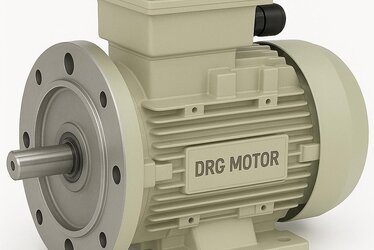
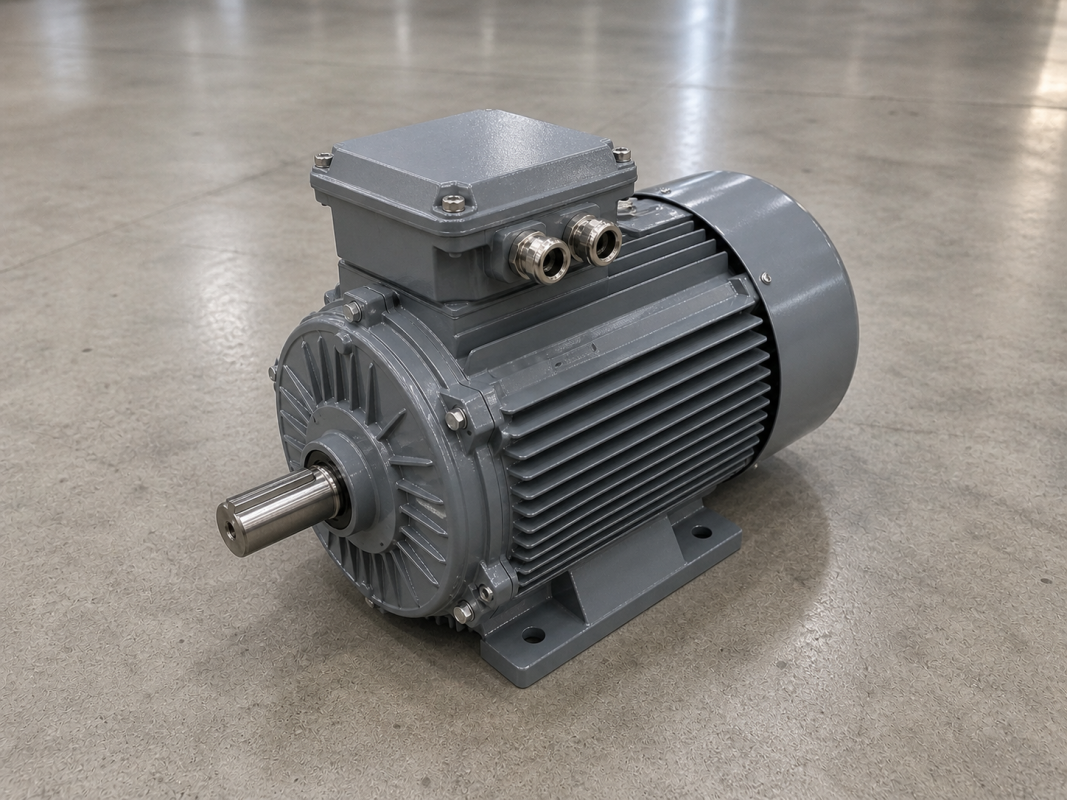
A typical configuration is 400 V / 50 Hz supply, IP55 protection, S1 continuous duty and class F insulation rated to 155°C. Mounting comes as IM B3 foot, B5 large flange or B14 face flange, so the machine bolts onto a pump or couples into a transmission. Synchronous speed follows the poles: 3000 rpm at 2, 1500 rpm at 4, 1000 rpm at 6. Loaded speed sits about 1 to 3 percent lower because a squirrel cage rotor slips.
Applications that justify the class
Payback is fastest on long hours with a steady load. Systems running 16 to 24 hours a day put the difference straight onto the bill.
- Continuously running centrifugal and submersible pump lines
- Air handling units and large industrial fans
- Belt and chain conveyor systems
- Piston and screw air compressors
- Continuous process equipment in water treatment
For short, intermittent or heavily varying duty, IE3 often strikes the better balance. Options across the range sit under IE3 electric motors.
IE5 paired with an inverter
Most applications get full value from IE5 only with a drive fitted. Energy goes to waste when a valve throttles flow while the machine keeps spinning at one fixed speed. On a centrifugal load characteristic, absorbed power varies with speed cubed, so trimming speed by 20 percent theoretically halves the draw. Insulation and bearing selection must suit inverter duty if the machine is to last.
A worked saving
Take a 4-pole 30 kW motor running 6000 hours a year. At 93.3 percent for IE3 and 95 percent for IE5, network input differs by roughly 0.57 kW, which is 3420 kWh over those hours. Work the sum at the real load point, because the efficiency curve moves with load and peaks between 75 and 100 percent of rated output.
Maintenance intervals and service life
A cooler machine keeps its insulation longer and fails less often. Periodic work still matters: follow bearing lubrication intervals, measure winding insulation resistance in megohms, track vibration and temperature. In dust and damp, check whether IP55 is really enough before ordering.
Getting the selection right
Pole count, torque demand, ambient conditions and duty cycle weigh as much as kW. Specify a machine far larger than the load and it sits at a poor point on its efficiency curve whatever the class, wasting energy and capital together. Size to real demand first, then choose the class: flow, head, torque and running hours are the four figures that make it possible.