 English
 Le français
 Türkçe

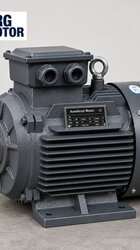
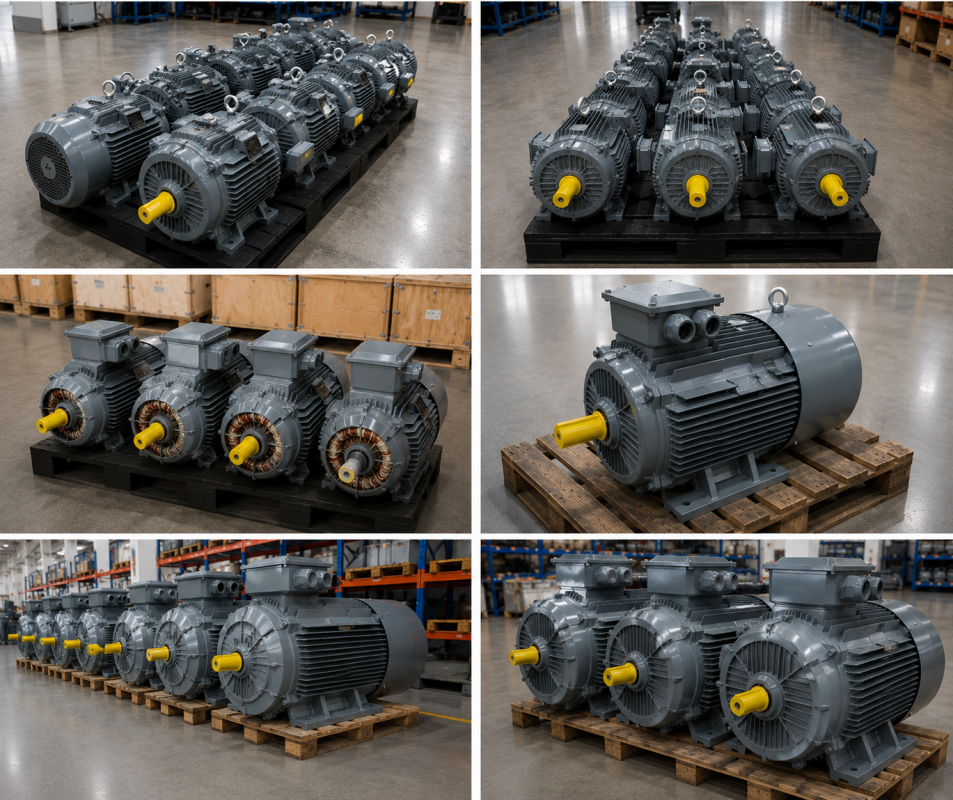
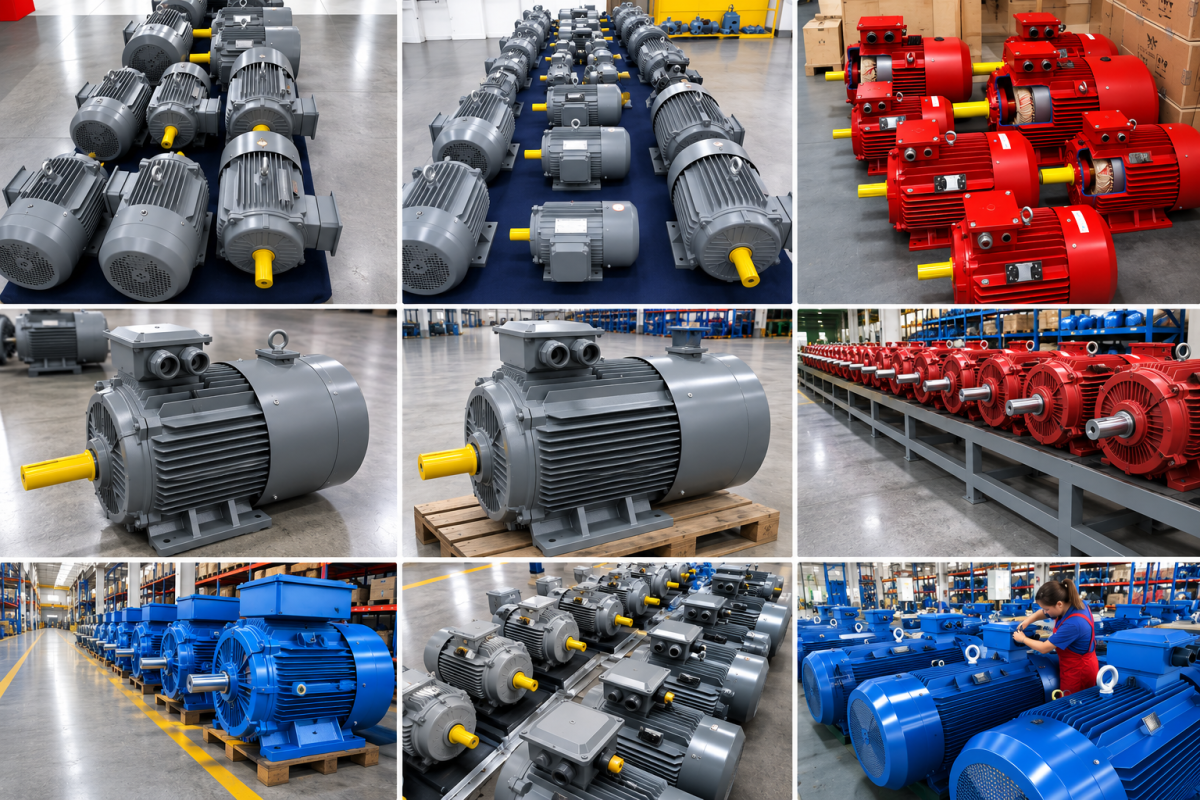

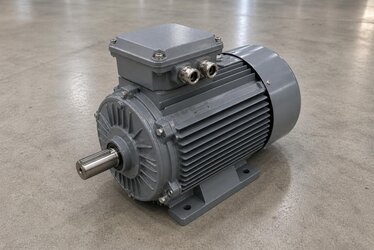
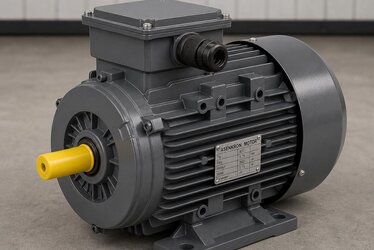
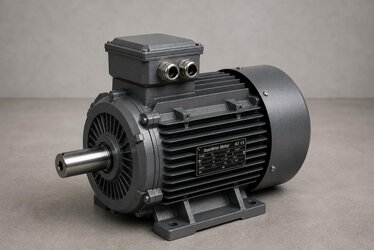
110 kW 1500 RPM Three Phase Electric Motor – Where Energy Cost Outweighs Purchase Price
A 110 kW 1500 RPM electric motor belongs to a class of purchase where the invoice is the smaller number. A machine of this size draws its own purchase price out of the meter within a fraction of its service life, so the specification is written around energy first and price second.
The order is also a logistics exercise. The motor arrives on a pallet that needs a crane or a heavy forklift, the terminal box is wired by an electrician working to a drawing, the cable section and the starting arrangement have to be agreed with the plant, and the foundation must be cured and drilled before a delivery date is fixed. Sites that agree a date before those are ready end up storing an expensive machine in a corner.
What Is a 110 kW 1500 RPM Electric Motor?
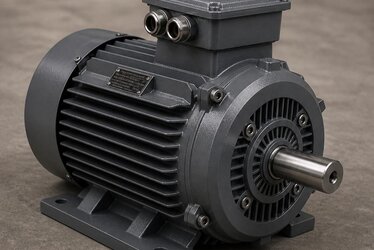
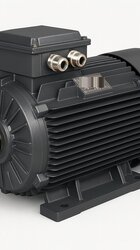
A 110 kW four-pole three-phase induction motor turning at about 1500 revolutions per minute is built for uninterrupted operation on heavy plant, where stopping is measured in lost production rather than in inconvenience.
At this size the frame is cast iron, the bearings are industrial grade and the duty is continuous. Alignment to the driven machine is measured rather than eyeballed, and the grease schedule is written into the maintenance system on the day of commissioning instead of being remembered later.
What Affects 110 kW 1500 RPM Electric Motor Prices?
The price of a 110 kW motor moves with material content and with the market for that material, not with the power rating alone.
Pricing factors at this size:
- IE3 Premium or IE4 Super Premium rating
- Manufacturing quality
- Copper winding construction
- Cast iron frame
- IP55 protection
- Class F insulation
- Mounting: B3, B5 or B35
- Bearing grade
- Production standards
- Stock position
- Delivery date
- Order quantity
- Raw material and global market conditions
Because copper is the largest single material in a machine of this size, a quotation for 110 kW has a shorter shelf life than one for a small frame, and it is worth asking how long the figure stands before circulating it internally.
Technical Data
The 110 kW three-phase induction motors supplied here are built for heavy continuous duty.
Data the Plant Will Be Asked For
- Shaft output 110 kW at the coupling
- Nominal 1500 RPM at the rated point
- Four-pole squirrel cage winding
- Three-phase supply from the plant board
- Wound for a 380–400 V network
- Designed around a 50 Hz supply
- Graded IE3 Premium as standard
- IE4 Super Premium built on request
- Copper in the slot rather than a substitute
- Cast iron from the frame to the end shields
- IP55 against plant dust and washdown
- Class F insulation with margin at full load
- Vibration held within limits at speed
- Noise acceptable inside a manned plant room
- Bearings sized for heavy radial load
- Rated for uninterrupted running
- Dimensions and testing to IEC
- Feet drilled for a concrete base
- Flange machined for direct mounting
- Foot and flange together where both are needed
What One Large Drive Does to the Bill
One 110 kW drive running continuously accounts for a visible share of a plant electricity bill on its own, which is why the class question is settled before anything else on this rating. On a machine this size the difference between two classes is not a rounding item on the invoice; it is a line on the monthly bill that the plant manager can point at.
The comparison worth making is not between two motors but between one motor and the same motor a class higher, run over the number of hours this plant actually works. On pumps, compressors and draught fans that never stop, that sum is short and it decides itself.
110 kW on quarry, cement and petrochemical duty
Machines that a 110 kW frame is normally coupled to:
- Primary crusher drives
- Screening and washing plant
- Batching plant mixers
- Raw mill and kiln auxiliaries
- Mine dewatering sets
- Rolling mill auxiliaries
- Process circulation pumps
- Refinery transfer pumps
- Large food plant chillers
- Heavy agricultural drives
- Main irrigation pumps
- Fire water pump sets
- Pressure booster stations
- Deep well pump drives
- Plant ventilation fans
- Induced and forced draught fans
- Screw and piston compressors
- Long overland conveyors
- Shredder and granulator drives
- Timber chipper drives
- Extruder main drives
- Textile plant air handling
- Paper machine auxiliaries
- Ball mill and kiln drives in ceramics
Why the Housing Is Cast Iron at This Size
At 110 kW the frame carries genuine mechanical load and cast iron is what makes that possible. The mass of the housing absorbs torque reaction from the driven machine, holds the bearing centres in line as the motor warms up, and spreads winding heat across a surface large enough to lose it.
- Mechanical strength under load
- Damping of vibration from the driven machine
- Heat carried away through the frame
- Long service life on heavy duty
- Dimensional stability of the housing
- Reliable running under continuous heavy load
- Tolerance of harsh plant conditions
What the Copper Content Is Doing
Copper is the largest single material cost in a machine of this size and it is also where the efficiency comes from. Every ohm of winding resistance turns current into heat that has to be carried out of the frame, so the amount of copper in the slot decides both the loss and the temperature rise.
What the copper content buys on a machine this size:
- Higher operating efficiency
- Lower winding temperature
- Smaller electrical loss
- More years of service
- Better behaviour on overload
- Dependable continuous duty
- Lower maintenance spend
How an Order of This Size Is Handled
An order at this rating behaves like a project rather than a purchase. It runs from the enquiry through drawing approval, production slot, transport arrangement and commissioning, and each of those steps has a date that the plant needs to know.
Our advantages include:
- Large ratings held where possible
- Scheduled delivery to site
- Project pricing
- Engineering support during selection
- Help matching an existing installation
- Service after commissioning
- Components of known origin
- IE3 and IE4 both offered
- Warranty terms in writing
- A single point of contact
Points to Settle With the Plant Before Ordering
Work through these with the people who will run the machine, and only then with purchasing:
- Shaft power the plant actually needs
- Supply voltage on site
- Mains frequency
- Speed at the coupling
- Efficiency class to be marked
- Protection required by the room
- Insulation class
- Ambient temperature at the installation
- Altitude of the site
- Duty cycle through the day
- Load behaviour at start and at speed
- Mounting arrangement
- Shaft diameter and length
- Flange dimensions
- Warranty period
- Spare parts to be held
- Technical support after commissioning
Settling these before the order is what stops a motor that is correct on paper from being wrong on site. Every one of them is cheaper to answer in an email than on a crane hire day.
Buy Your 110 kW 1500 RPM Electric Motor from DRG Motor
For a 110 kW 1500 RPM three-phase motor, start with the duty, the mounting and the date the foundation will be ready.
Machines are supplied in IE3 Premium and IE4 Super Premium classes with copper windings, cast iron frames, IP55 protection and IEC-compliant construction.
Ask for the current 110 kW price, the stock position and the delivery window in one enquiry; at this size all three move together.