 English
 Le français
 Türkçe
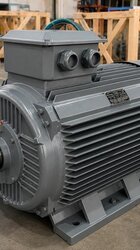
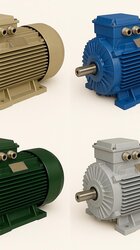
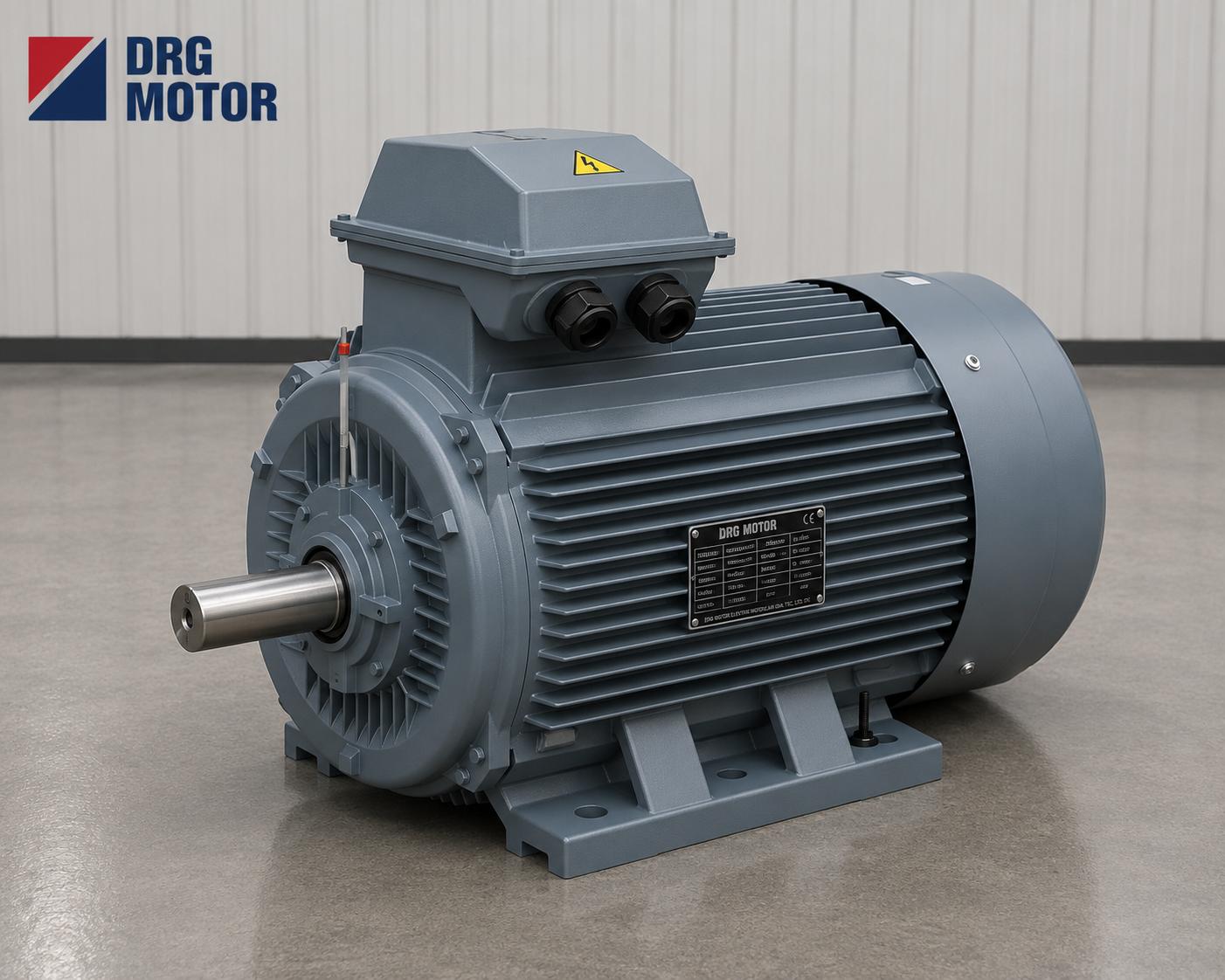

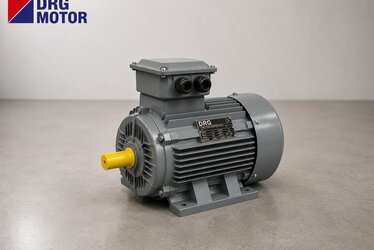
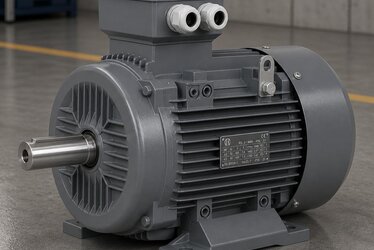
Few environments push electric motors as hard as a textile plant, where machinery turns without pause from one shift to the next. From spinning and weaving to the dye house and garment lines, almost every process relies on motors running in S1 continuous duty, that is, uninterrupted and at a steady load. In this mode every minute the motor runs shows up on the energy bill, and every minute it stops shows up on the shipping schedule. Choosing the right textile motor is therefore not merely a technical preference; it is a commercial decision that touches the plant's energy budget, its maintenance plan and its delivery promise all at once.
Why S1 Duty Is So Decisive in Textiles
S1 continuous duty means the motor runs at its rated load until its temperature settles and then keeps running at that load for hours, often for the entire shift. In textiles, ring spinning frames, open-end rotors, weaving looms, continuous dyeing lines and extraction fans all work in exactly this regime. Put a unit sized for intermittent duty onto a textile line and it will cross its thermal limit, eroding insulation life fast. The first thing to check when sourcing a textile motor, then, is whether the unit was genuinely designed for S1 and whether it holds its declared efficiency under sustained load.
How Efficiency Hits the Bill on a Continuous Line
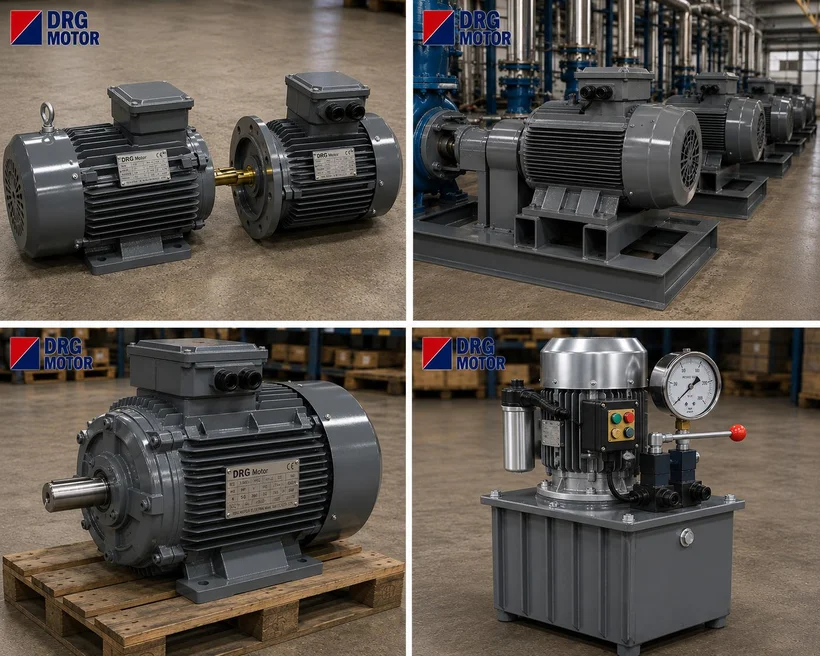
In a textile plant motors typically run well over 6,000 hours a year; in a three-shift spinning mill that figure approaches 8,000. With usage like this, the purchase price of the motor is dwarfed by the energy it consumes over its life. Choosing IE3 over IE2, or IE4 over IE3, turns a difference of a few efficiency points into savings that, over the years, repay the motor's price many times over on a continuously running line. Judging this on the quotation price alone is misleading; the right view applies the logic of motor toplam maliyet to the textile load profile. Otherwise a motor that looks cheap becomes the most expensive choice within the first year through the energy it quietly wastes.
The Demands the Textile Environment Places on a Motor
Textile production is no ordinary industrial setting for a motor. Airborne fibre dust, high humidity, dye-house vapour and locally elevated temperatures continually test the motor's cooling and insulation. Yarn and fibre dust packs into the cooling fins and reduces heat dissipation, while moisture strains the insulation resistance. Under these conditions, if the correct protection class, suitable insulation and adequate thermal reserve are not chosen, even a motor that looks right for S1 will tire in the field sooner than expected.
- Fibre and yarn dust clogs the cooling fins and drives temperatures up.
- Moisture in dyeing and finishing lines strains insulation, calling for a higher insulation class.
- High ambient temperature can force the motor to run derated below its declared output.
- Dust build-up shortens bearing life, making proper sealing and maintenance intervals important.
Which Motor for Which Textile Line
Textiles are not a single application but a chain of lines with very different load characters. Ring and open-end machines demand steady load at high speed; weaving looms produce a pulsing yet continuous torque profile; pumps and fans on dyeing and finishing lines run at varying flow but for long stretches. Recommending the same motor for all of them would be wrong. On lines with steady continuous load, high-efficiency S1-class motors in standard frames offer the most balanced solution, while on fans and pumps with varying flow, thinking of the motor together with a drive is what unlocks real savings. Correct matching is the very point that decides the return on a textile motor investment.
What High-Efficiency Motors Deliver in Textiles
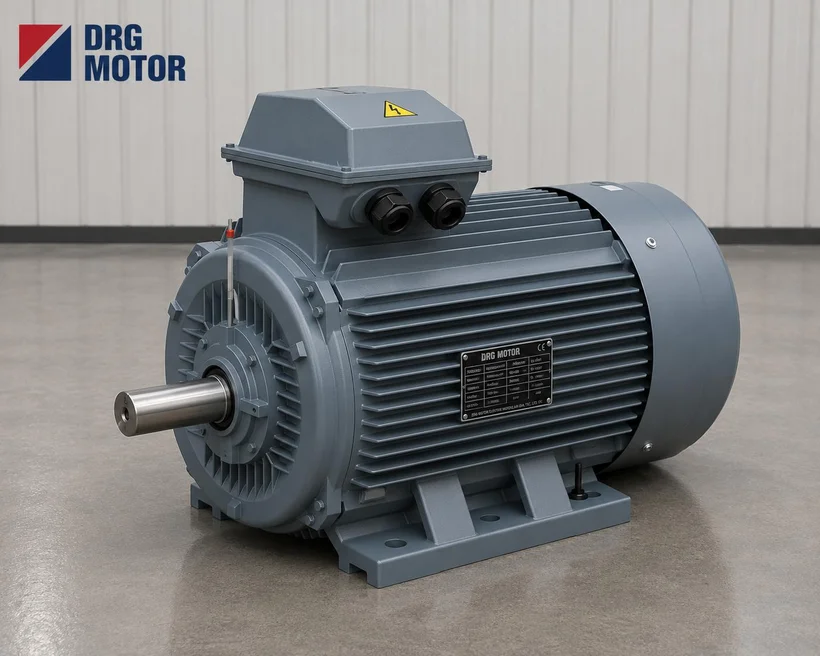
On a continuously running textile line, the efficiency class is not catalogue decoration but the backbone of the budget. The high-efficiency motors we supply are selected so they hold their declared efficiency in the field under S1 duty; in this way the IE class on paper finds a real counterpart on the month-end energy bill. A high-efficiency motor does the same work while running cooler, which reduces both the cooling load and insulation wear and extends the motor's life. In textiles, efficiency means not only energy savings but fewer stoppages, fewer rewinds and a more predictable output.
When the Investment Pays for Itself
The question textile managers ask most often is when the premium paid for a more efficient motor will come back. On a continuously running line that period is usually far shorter than expected; the high operating hours turn the efficiency gap into cash quickly. A spinning plant that replaces an old IE1 motor with an IE3 or IE4 unit will, in most cases, recover the investment in under two years through the energy saved. If you want to make this concrete for your own plant, the best approach is to weigh the verimli motor geri ödeme method against your operating hours and your unit energy price. Working this calculation out with you at the quotation stage is a standard part of how we supply.
Stock Continuity and Fast Delivery
In textiles a stopped motor usually means a stopped line, and every hour until a replacement is found is lost production. That is why, when choosing a supplier for a textile plant, it is not only price that matters but stock depth and delivery speed. Keeping the commonly used frame sizes and efficiency classes ready in stock lets a line turn again within hours after an unexpected fault. In our model, we hold the motor types most in demand in textiles on the shelf, minimising our customers' waiting time and planning spare motors for critical lines together with them.
Building the Maintenance Plan with DRG Motor
A motor turning without pause in S1 duty will run trouble-free for years with planned maintenance; neglected, it stops at the worst possible moment. Given the dust and humidity of the textile environment, the lubrication interval, bearing checks and cleaning of the cooling fins should be put on a schedule in advance. The right supplier does not deliver the motor and walk away; it recommends the maintenance interval for your application, secures spare-part access and offers a single reachable point of contact when a fault strikes. In textile motor supply, the real value emerges in setting up this continuity from the outset.
Thinking of the Motor Together with a Drive
Not every textile line runs at constant speed; on fan, extraction and pump groups in particular, the flow demand shifts through the day. On these lines, considering the motor not on its own but together with a variable-frequency drive unlocks one of the largest savings items in continuous operation. A fan running at fixed speed pulls full power even when it is not needed, whereas a drive-controlled motor throttles the flow to demand and drops the power it draws proportionally. In a continuously running textile plant, that difference, summed across the year, becomes a substantial energy line item. Matching the motor and the drive carefully at the supply stage both raises efficiency and, through soft starting, reduces mechanical wear and extends the motor's life. The right way is to base the textile motor decision not on the motor alone but on the entire drive chain of the line.
Reading the Nameplate Values Correctly
When you evaluate a textile motor quotation, reading the nameplate values correctly heads off later surprises. The declared power, efficiency class, insulation class, protection degree and ambient-temperature reference are the real clues to whether the motor suits your line. The ambient-temperature reference matters in particular; most standards assume 40 degrees Celsius, yet a dye house or a cramped machine room can run hotter. Knowing in advance that the motor will then operate derated lets you choose a frame that fits the line's true requirement. The right supplier does not simply read these values from a catalogue; it interprets them against your ambient conditions and recommends a suitable motor. Reading the nameplate correctly is the first step to securing both efficiency and safety on a continuously running line.
Secure Your Line with the Right Motor
In textiles every line has its own load, speed and environment, so the right motor can only be recommended once your application has been heard. At DRG Motor we assess your plant's operating hours, line type and energy conditions together with you, then price a high-efficiency motor suited to S1 continuous duty with a firm delivery time. If what matters to you is not the nameplate price of a single motor but the uninterrupted flow of your production through the year and keeping your energy bill under control, the right address is clear. Tell us what your line needs; let us quote the motor best suited to your textile plant, complete with a payback calculation, and keep your production turning without a single stop.