 English
 Le français
 Türkçe

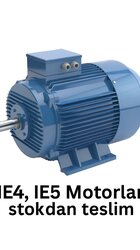
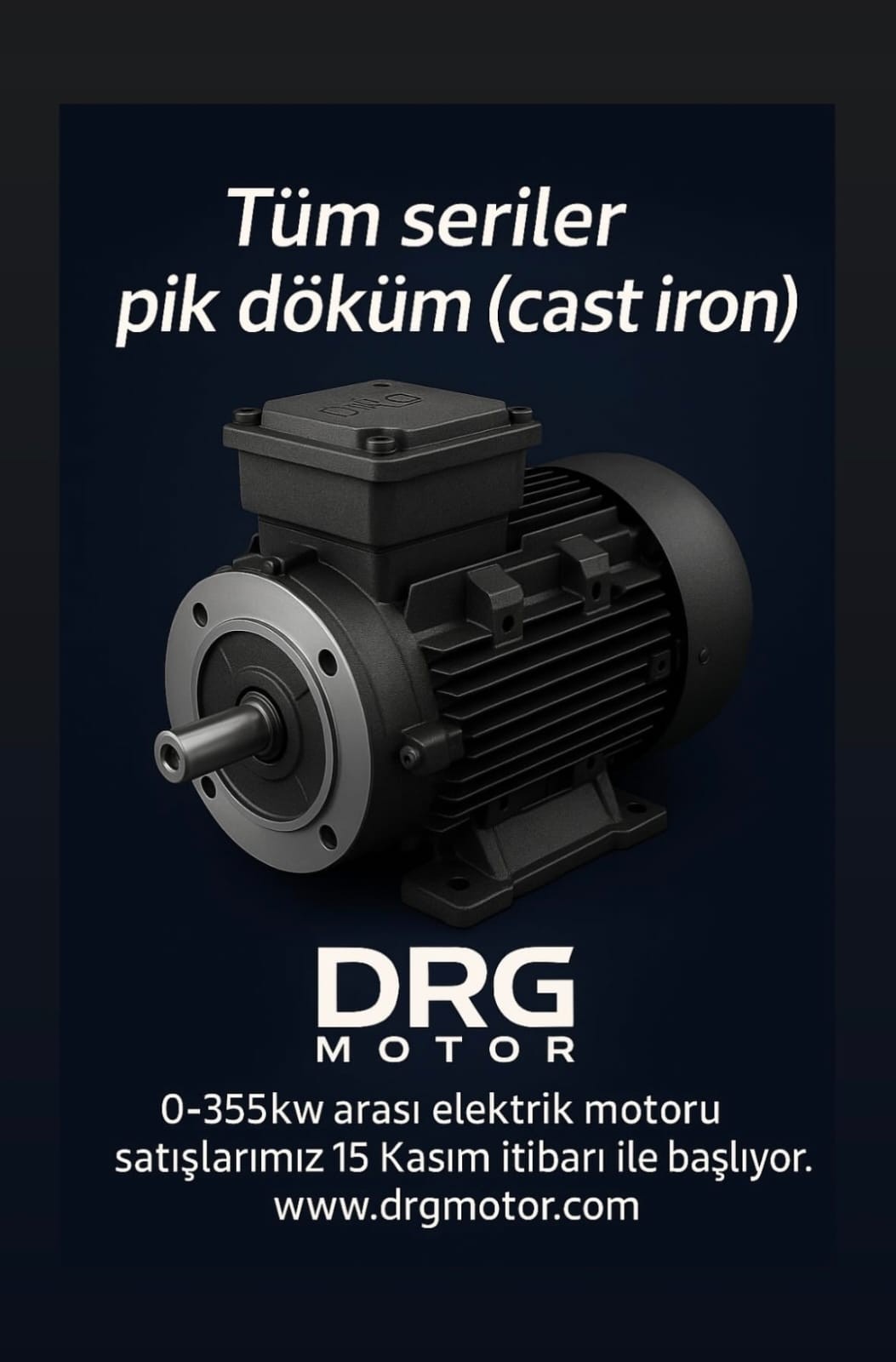

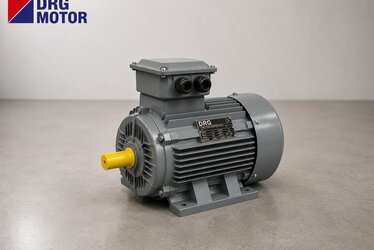
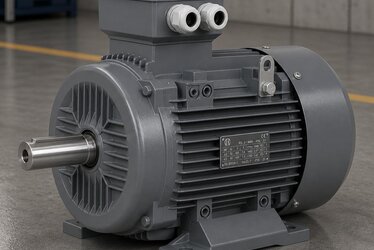
Whether a line keeps running is decided, more often than not, by the motor turning it. A quiet, efficient, long-lived machine changes more than the energy bill: it changes how often maintenance is called and how many hours the line stands idle.
Quality Starts Inside the Housing
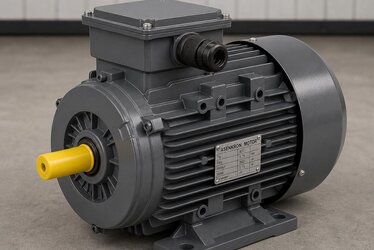
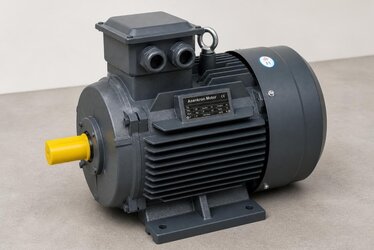
You cannot read quality off a nameplate. It lives in the winding and in the mechanical tolerances. Full cross-section electrolytic copper windings, a low-loss silicon steel stack and correct varnish impregnation decide how efficient the machine is and how long it will last.
The Mechanics of Running Quietly
Quiet operation is not luck. It is a balanced rotor, precisely machined bearing seats and a rigid housing. An unbalanced rotor at 1500 rpm puts a continuous side load on the bearings, and that load leaves as noise and vibration. A low-vibration motor emits less sound and keeps the driven machine accurate. Noise is a diagnostic reading, not just a comfort issue.
Why the Housing Is Cast Iron
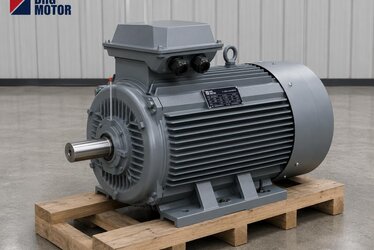
Cast iron protects the machine against impact, heat and dust. It is heavier than aluminium, and under mechanical shock or thermal stress it keeps its shape, so alignment is not lost. Concrete batching plants, crushing and screening installations and open-site work are where that advantage is obvious.
Choosing the Class and Getting It Back
IE3, IE4 and IE5 motors are graded under IEC 60034-30-1.
- IE3, premium efficiency: the balanced choice where the work is general-purpose.
- IE4, super premium: cuts consumption further where running hours are long.
- IE5: the lowest-loss level, favoured under continuous load.
Across the working years of a machine that is never switched off, metered energy dwarfs whatever it cost to buy. Keep a 22 kW unit turning for two shifts a day and the handful of points separating IE3 from IE4 becomes several thousand kilowatt-hours annually. The price difference comes back inside the operating hours.
Torque That Holds Under Load
Slip between the squirrel-cage rotor and the rotating stator field is what produces torque in these machines. A well-designed machine supplies the moment the load asks for as the load grows. Combine that with low vibration and the motor stays predictable through hard starts and swinging loads, and that predictability is what holds the stoppage risk on a production line down.
Duty Rating and Insulation Limits
Dust and moisture are unavoidable in a plant. IP55 defines resistance to harmful dust ingress and to a low-pressure water jet played on the housing from any direction. The winding is held to 155 °C by class F insulation, which extends life in hot locations. Those two figures only mean something in the field if the gaskets and the terminal box actually seal.
Choosing Between 2, 4 and 6 Poles
At 50 Hz, a 2-pole machine runs near 3000 rpm synchronous, a 4-pole near 1500 rpm and a 6-pole near 1000 rpm, with slip putting the real shaft speed a little under each figure. High-speed 2-pole machines suit pumps and compressors, 4-pole machines suit conveyors and fans, and 6-pole machines suit mixers and crushers that need torque. A gearbox or a converter can adjust speed later; the right pole count preserves efficiency and mechanical balance from the start.
S1 Duty and Expected Service Life
Most industrial machines carry an S1 continuous rating: uninterrupted operation at rated load, with the temperature settling at thermal equilibrium. Life is decided by whether the winding temperature stays inside the insulation limits. A working rule: each 10 °C added to the winding temperature cuts insulation life roughly in half. Clean ventilation, an unobstructed fan cowl and measured current that stays under the rated value are what deliver the service life on the plate.
Vibration and Bearing Life
Motor life is largely a question of how evenly the bearings are loaded. A balanced rotor and accurate seats reduce the side force on the bearings, stretching bearing life and grease intervals alike. Low vibration also spares the pump or fan bolted to the shaft. Periodic grease checks and vibration measurement keep that advantage alive on site.