 English
 Le français
 Türkçe

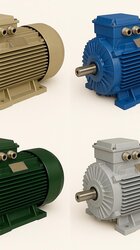
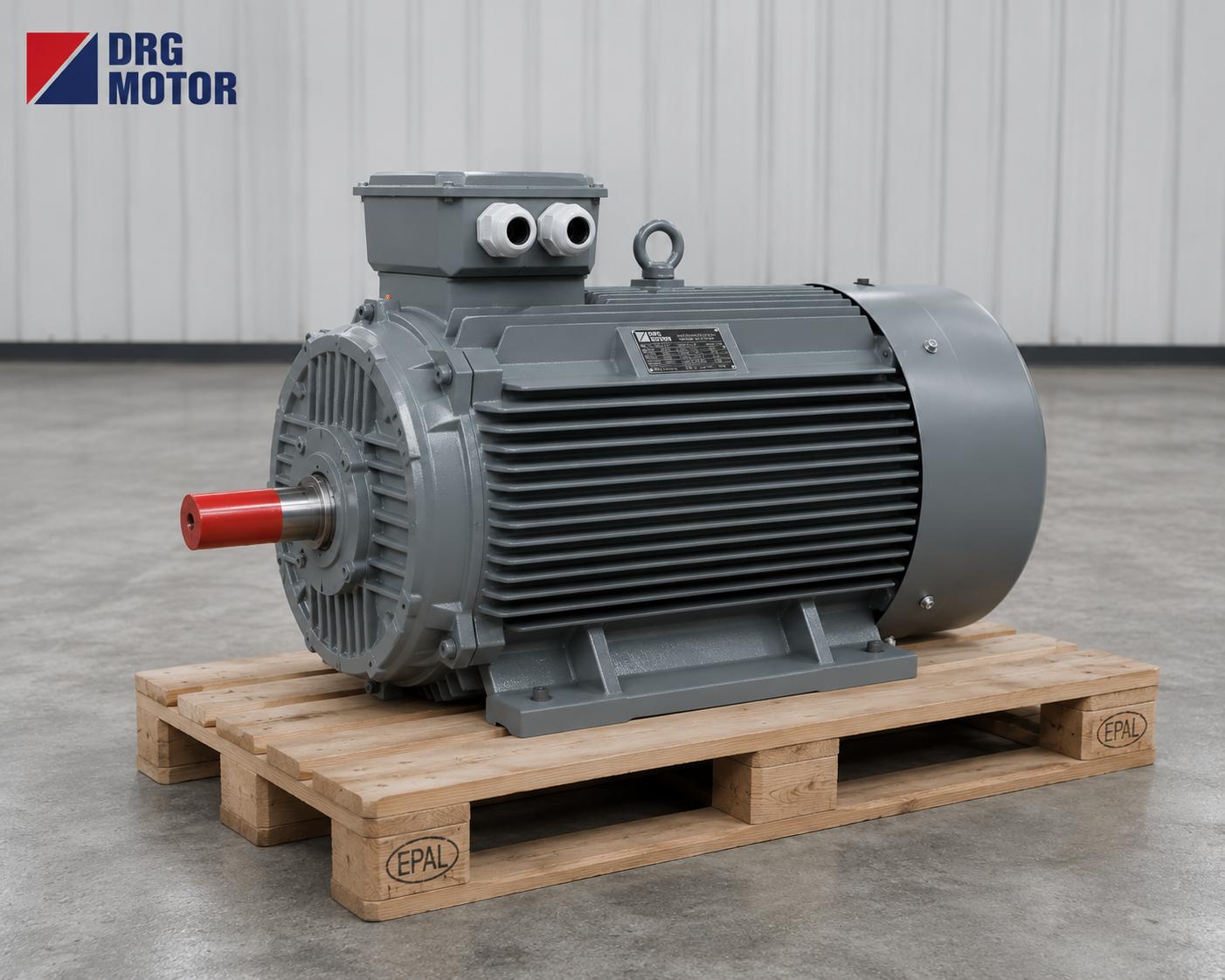

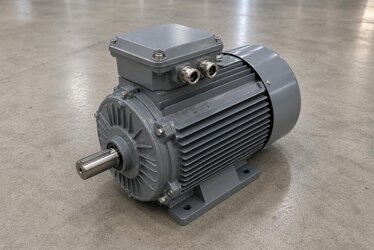
When a facility is being commissioned, a production line is being rebuilt, or a multi-site infrastructure project is taking shape, motor procurement requires far more than placing individual purchase orders. Dozens, sometimes hundreds of motors must reach the field with the right power rating, on the right delivery schedule, and within a predictable budget. Structuring the project procurement flow correctly directly shapes both the pace of the project and its cost curve. In this article, DRG Motor walks through the practical ways to turn bulk motor buying from a scattered purchasing line item into a planned, auditable process.
Treat Bulk Buying as a Process, Not a Single Order
The most common mistake in project-based motor buying is leaving the requirement to the last minute and pushing through one large order. In reality, the procurement flow consists of interconnected stages: building the requirement list, technical validation, collecting quotes, planning phased delivery, and supporting commissioning. Defining these stages up front lets you avoid most stock risks and field-driven delays. Managing this entire process through a single supplier is faster and more traceable than dealing with several dealers piece by piece.
Standardize the Requirement List
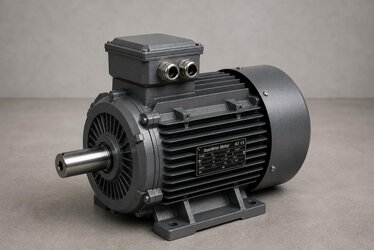
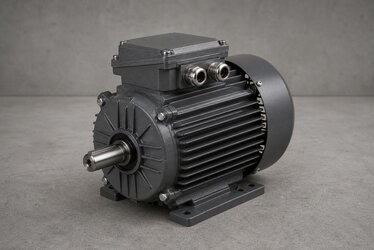
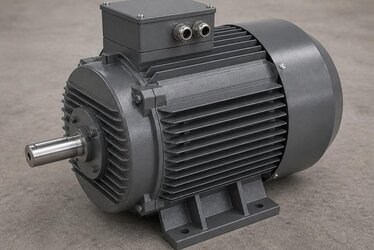
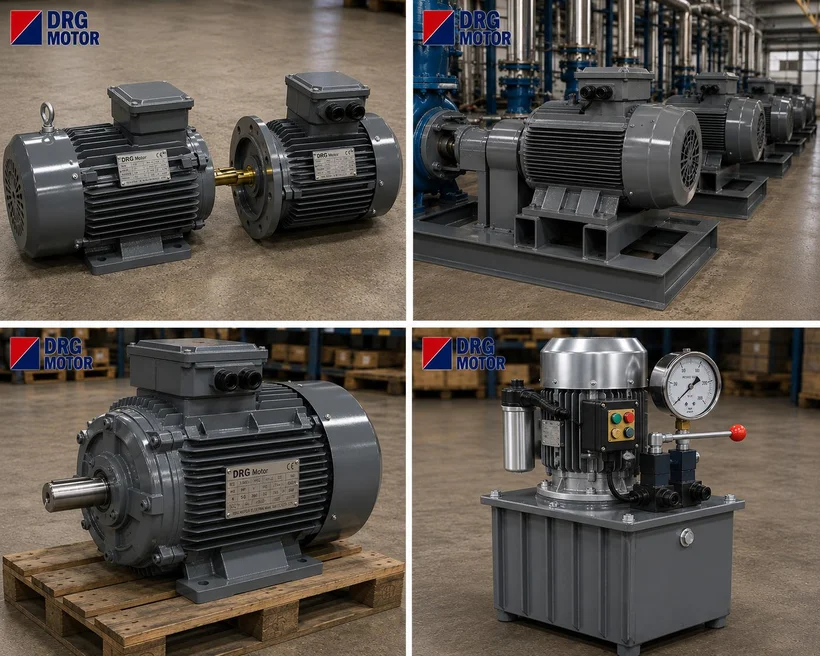
The efficiency of a bulk purchase is directly proportional to how clear the requirement list is. Gathering power (kW), speed, mounting type (B3, B5, B14), efficiency class, voltage, and protection class (IP) for every motor item into a single table speeds up the quoting process and eliminates the risk of receiving the wrong product. Most motors within a project are typically selected from the three-phase asynchronous motors family; adopting this standard from the start simplifies both spare-parts management and on-site installation.
- Group power and speed ranges; consolidate similar items into one batch.
- Clarify mounting and flange types to reduce the number of variations.
- Fix the efficiency class (IE2/IE3) at the outset; changing it later adds cost.
- List spare-motor needs for critical items as a separate line.
Think in Phased Budgets, Not a Single Quote
In large projects, all motors rarely need to arrive on site at the same time. Splitting delivery into batches according to the commissioning schedule eases cash flow and lowers storage costs. In bulk buying, quantity is the strongest lever on price: as the number of items rises, unit cost falls. For this reason, positioning the entire project under one procurement plan rather than fragmented orders helps you secure a more favorable quote. Keep in mind that a one-off yüksek güçlü motor fiyatı and the bulk price within a project scope should be evaluated separately.
Know the Factors That Shape the Price in Advance
To build a realistic project procurement budget, you need to see the variables behind the price up front. Instead of a fixed list price, a quote is shaped by the combination of the following factors:
- Total quantity and delivery schedule (phased or one-time).
- Power range and efficiency class; high-efficiency motors cost more initially but less in operation.
- Options such as special mounting, brakes, encoders, or a different protection class.
- Holding spare stock and contractual delivery assurance.
When you share a requirement file that includes these variables, it becomes possible to prepare a predictable quote suited to the project scale. What you should expect from us is a transparent quote that explains each of these factors and shows how every item affects the budget. This puts your project's financial planning on solid ground and spares you from unexpected line-item increases later in the process. A clear quote also speeds up your internal approval cycles, because decision-makers can see exactly how the cost is built.
Assess the Supplier's Field Experience
A criterion just as important as price and delivery schedule is the supplier's experience in similar projects. A supplier that has previously handled bulk motor supply, accompanied the commissioning process, and solved field-driven problems offers real assurance for your project. That experience shows at every stage, from correct product selection to delivery planning, and from spare-parts management to technical support. When choosing a supplier, you should look at catalog breadth and at the capacity to genuinely accompany the project from start to finish.
The Operational Payoff of Working With One Supplier
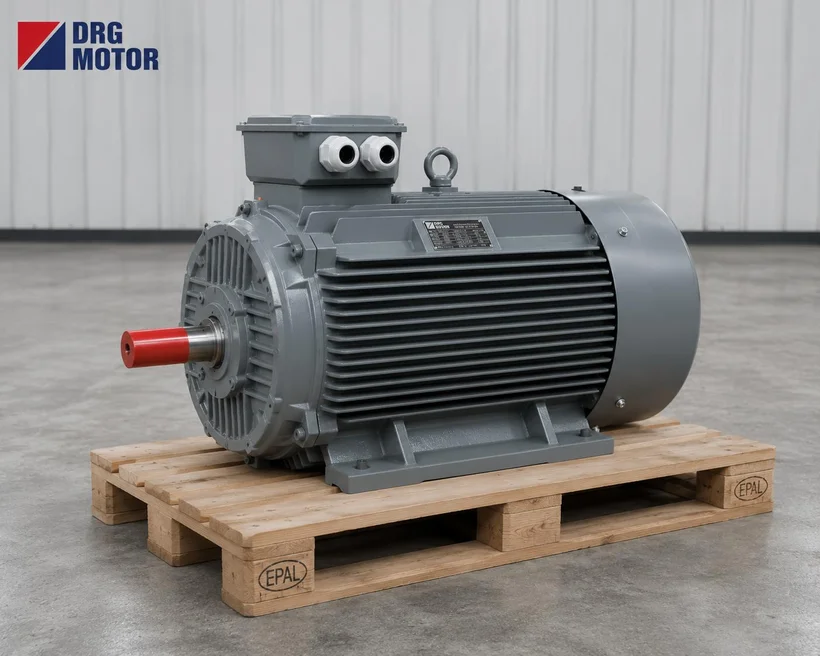
Sourcing all the motors in a project from a single supplier delivers more than a price advantage; it brings operational simplicity. It means one point of contact, one technical reference, one delivery schedule, and a consistent quality standard. When an issue arises, you know exactly who to call, and spare-parts and replacement processes run through a single channel. In multi-site projects, this consistency removes mismatches between locations and significantly simplifies the maintenance team's work.
Tie the Delivery Schedule to the Commissioning Plan
The most frequent disruption in bulk buying is the mismatch between motors arriving on site and the installation timeline. Motors arriving too early create warehousing and insurance burdens; arriving too late leaves the line waiting. For this reason, always align the procurement plan with the commissioning schedule. A good supplier can split deliveries by project phase and prioritize critical items. Locking delivery dates into a clear calendar at the contract stage prevents surprise delays later on.
Optimize Cost Through Standard Power Classes
Consolidating the project's motor items into standard power classes as much as possible both shortens lead time and lowers unit cost. The trifaze motor fiyatı for common power ratings is generally more favorable than for special or niche classes, and it carries the advantage of fast delivery from stock. Aligning motor selection with standard classes during the design stage delivers a meaningful gain for both the budget and the timeline of the project.
Put Spare Parts and Warranty Policy in the Contract
Support is needed throughout the motors' lifecycle even after the project is delivered. In bulk buying, clarifying items such as spare-motor stock, warranty coverage, and replacement time in case of failure within the contract removes future uncertainty. Especially in critical processes, working with a supplier that guarantees fast supply lowers the cost of unexpected downtime. A well-planned spare-parts policy directly reduces the total cost of ownership of the project.
Bring Technical Validation Forward, Before the Order
In bulk purchases, most errors stem from leaving technical details until after the order. The wrong mounting type, a missing protection class, or an incompatible flange dimension can mean replacing dozens of motors already on site. The way to remove this risk is to validate the technical details of every motor item before ordering. An experienced supplier reviews your requirement list, flags incompatibilities early, and proposes alternative solutions. This upfront check prevents both time and money losses from the outset. Confirming system compatibility is especially critical for motors that will run with frequency inverters, gearboxes, or pump groups on the line, where a single mismatch can stall an entire section of the project.
Don't Overlook Field Logistics and Labeling
In projects involving hundreds of motors, getting the right product to the right point is a management discipline in its own right. Labeling motors with the project code, separating them by pallet, and shipping them by location significantly speeds up the on-site installation team's work. In a well-planned logistics flow, it is clear from the start which panel, line, or building each motor belongs to. This order prevents confusion during commissioning and shortens the project's delivery time. Working with a single supplier also keeps this labeling and shipping order consistent across the whole scope.
Factor Operating Cost Into the Purchasing Decision
Looking only at the purchase price in bulk motor buying is misleading. A motor's true cost must be calculated together with the energy it consumes over its lifetime. A high-efficiency motor may carry a higher initial price, but it closes that gap quickly through energy savings in continuously running processes. In projects involving hundreds of motors, the right decision on efficiency class has a serious impact on the annual budget. For this reason, the most accurate approach is to evaluate quotes not only on unit price but through the lens of total cost of ownership.
Move Your Project Into a Single Supply Plan
Project-based bulk motor buying, when planned correctly, stops being a complex line item and becomes one of the most predictable components of the project. Clarify your requirement list, tie delivery to your commissioning schedule, and evaluate all items under a single supply plan. Favor standard power classes, bring technical validation forward, and factor operating cost into your decision. DRG Motor is ready to prepare a quote suited to your project scale, with phased delivery and quantity-based advantages. Share your motor list with us and we will respond with a clear, fast quote tailored to your needs and to the most suitable solution for the field.