 English
 Türkçe
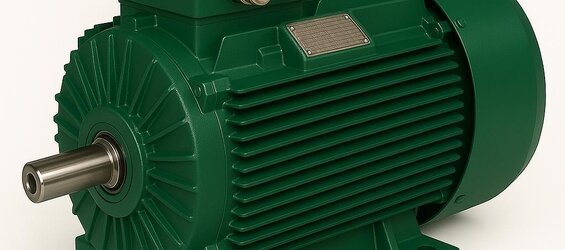
Three-Phase Asynchronous Electric Motors
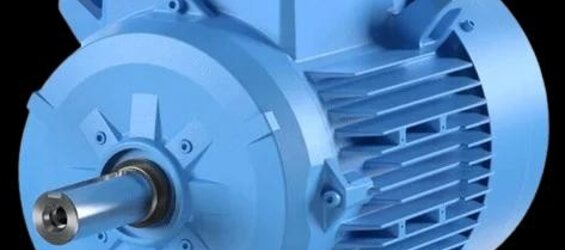
The three-phase asynchronous motor, with its squirrel-cage rotor and no external electrical connection to the rotor, is the most widely used drive machine in industry. The rotating... More Details

The three-phase asynchronous motor, with its squirrel-cage rotor and no external electrical connection to the rotor, is the most widely used drive machine in industry. The rotating... More Details
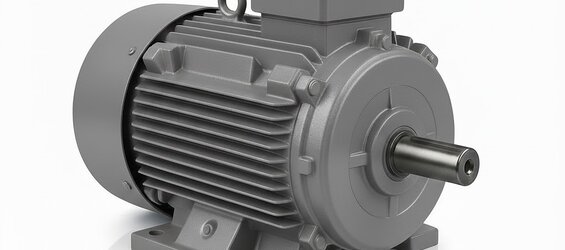
With dense organised industrial zones such as İkitelli, Dudullu and Tuzla, Istanbul is Turkey's largest production and trade centre. For automotive supplier industries, food, plast... More Details
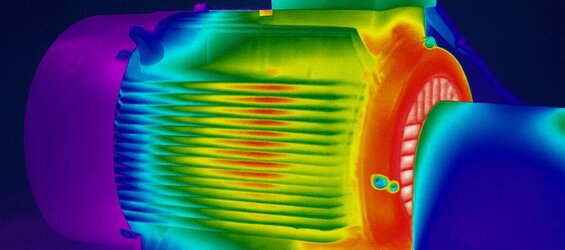
The 5.5 kW electric motor covers the standard power requirement of small and medium machinery and is commonly built in the IEC 132S frame size. This power class is frequently chose... More Details
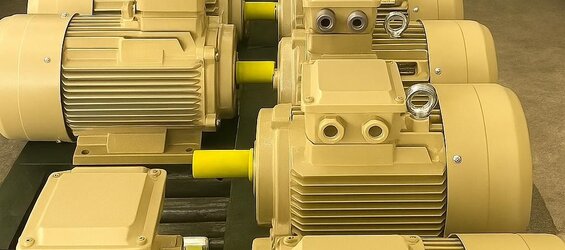
The IE5 Ultra Premium efficiency class represents the highest tier defined by IEC 60034-30-1 and reduces losses by roughly 20 percent compared with the current IE4 class. This clas... More Details
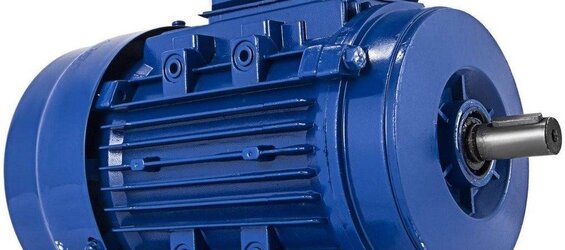
The high kW IE3 electric motor is designed for plants that demand both high efficiency and long life in the large machines of heavy industry that run continuously under intense loa... More Details
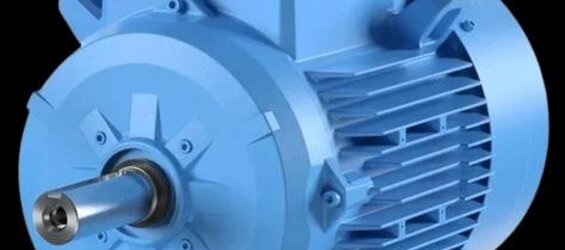
The price of a three-phase asynchronous electric motor cannot be stated as a single figure, because it is the combined result of several technical parameters: power rating, efficie... More Details
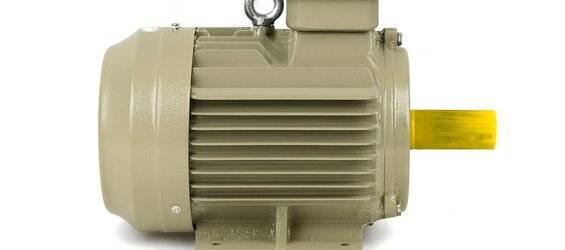
The food, plastics, textile and metalworking plants concentrated in Izmir's organised industrial zones such as Kemalpaşa, Çiğli and Aliağa rely on dependable electric motors that r... More Details
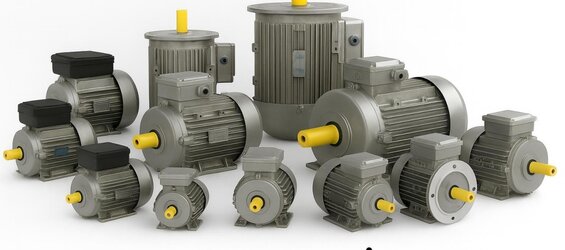
The high kW electric motor is the core drive source for large-scale industrial facilities, energy-intensive machines and heavy-duty applications. It delivers reliable performance i... More Details
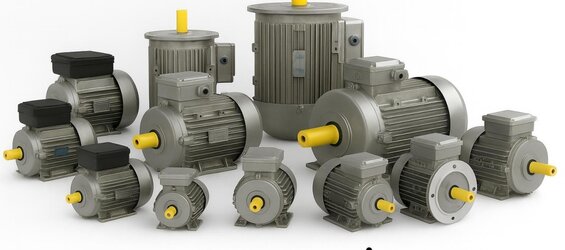
A low kW electric motor is a compact, economical solution covering power needs between 0.12 kW and 7.5 kW. In low-torque applications such as small pumps, fans, conveyors, automati... More Details
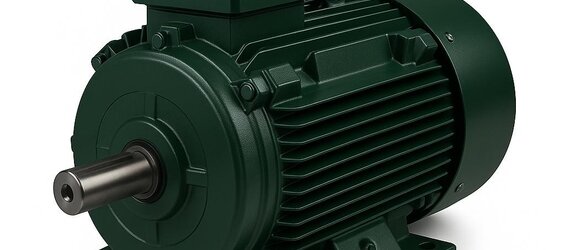
When a motor stops unexpectedly on a production line, it interrupts the whole chain; this is why IE3 motors available quickly from stock are a critical supply advantage for industr... More Details
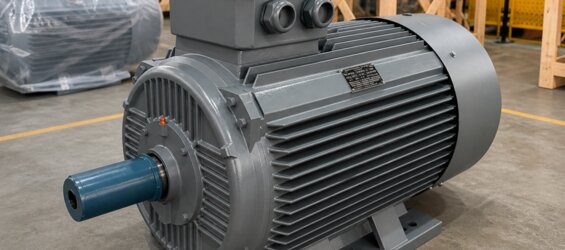
When you manufacture or purchase an electric motor, it is not enough for the motor to work technically; in many markets the motor must also meet a certain minimum efficiency level.... More Details
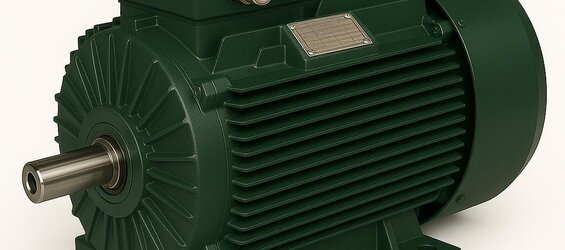
When you connect a motor directly to the grid, the windings meet a smooth, gentle sinusoidal voltage. But when you connect the motor behind a frequency inverter, the situation chan... More Details
Compressed air is often called the "fourth utility" in industry; an infrastructure that sits alongside electricity, natural gas, and water and is found in almost every facility. It... More Details
When a crane lowers its load, when an elevator descends, or when a high-inertia centrifuge slows down, the motor does not actually stop; it begins to convert mechanical energy back... More Details
When you run an electric motor for years, you come to know its behavior intuitively: which sound is normal, what temperature to expect, how it responds under a given load. The conc... More Details
When an electricity bill comes in higher than expected, the first remedy that comes to mind is usually to swap a single component, the motor, for a more efficient model. Yet an ele... More Details
The most honest information about an electric motor's health usually comes from its vibration. When bearings begin to wear, when rotor imbalance develops, or when fasteners loosen,... More Details
When an electric motor fails or its efficiency drops, the first question that usually comes to mind is "should I buy a new one?" Yet a motor's life does not end with its first faul... More Details
How Low-Loss Electrical Steel Laminations Improve Motor Efficiency When we list the factors that determine an electric motor's efficiency, the first things that usually come to min... More Details
For many years, industry produced heat by burning fuel. Today this equation is changing: industrial heat pumps take low-temperature waste heat and lift it to the higher temperature... More Details