 English
 Le français
 Türkçe

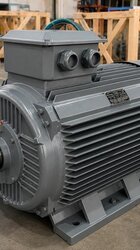
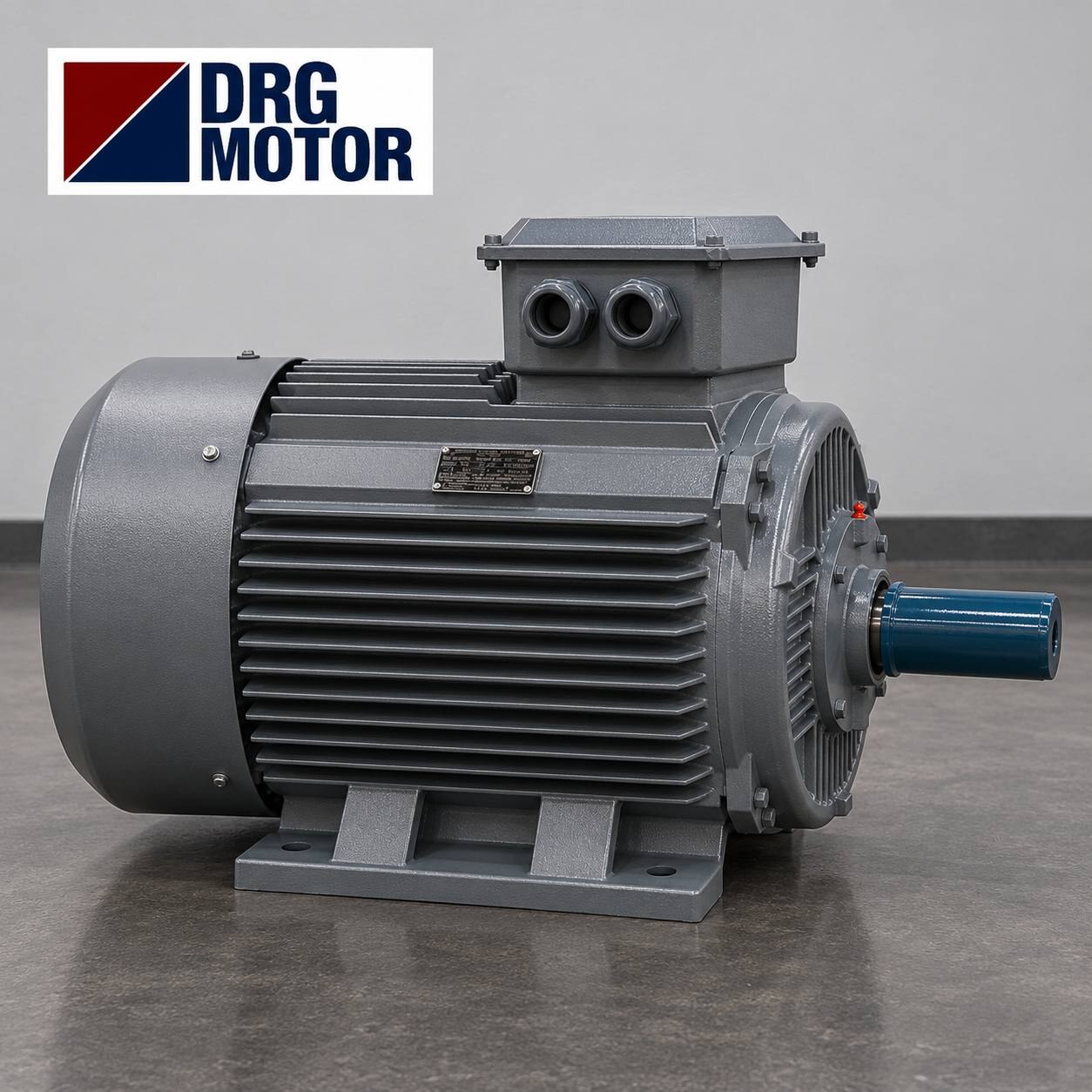

The price of a three-phase asynchronous electric motor cannot be stated as a single figure, because it is the combined result of several technical parameters: power rating, efficiency class, speed, frame material and mounting type. For accurate budgeting, these parameters must first be clarified for your application. Once your need is defined, DRG Motor provides a current and transparent quotation.
How Power Affects Price
As the motor's power in kW rises, the amount of material and the production cost increase; the price gap between a 0.55 kW motor and a 200 kW motor is naturally large. In high-power motors, however, the energy saving from the efficiency class determines the total cost well beyond the purchase price.
What the IE Class Changes on the Bill
An IE3 Premium or IE4 Super Premium motor may cost more upfront than an IE1 standard model. But because it runs with lower losses under IEC 60034-30-1, in continuously operating plants the difference is recovered quickly through energy savings.
Frame and Speed Factors
A cast iron frame is more durable than an aluminium one, so its price differs accordingly. The pole count, that is the choice of speed, also affects cost, as 2, 4 and 6-pole models require different designs. The mounting choice of foot-mounted B3, flange-mounted B5 or face-mounted B14 is another factor that determines price.
DRG Motor for a Current Quotation
The right price only makes sense with the right motor choice. An oversized motor or one in the wrong efficiency class may look cheap but proves costly in the long run. DRG Motor determines power, speed, frame and efficiency class for your application and provides a current quotation from Izmir. Contact us for an exact price.