 English
 Le français
 Türkçe

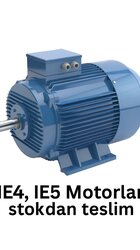
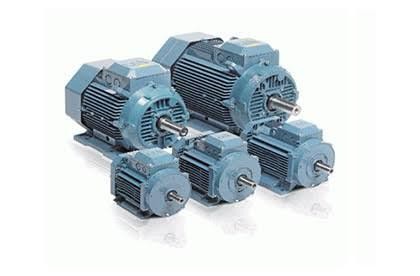

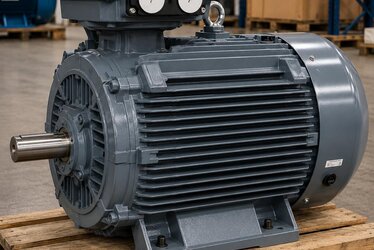
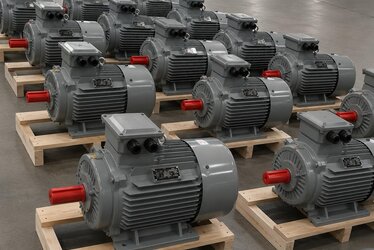
Stone crushing plants are among the most demanding applications for electric motors. Jaw and cone crushers require high starting torque, sudden load swings at the feed constantly jolt the motor, and the environment is harsh in terms of dust, vibration and temperature. These conditions demand that every detail, from frame material to insulation class, be chosen correctly.
Load Characteristics in Crushers
Stone crushers draw several times the rated torque at start-up, so the motor needs high breakaway torque and enough thermal reserve. Typically 6-pole 1000 rpm or 4-pole 1500 rpm motors are selected according to the crusher's gearbox ratio. Because of the constant heavy load, S1 duty and generous cooling fins matter.
The Role of the Cast Iron Body
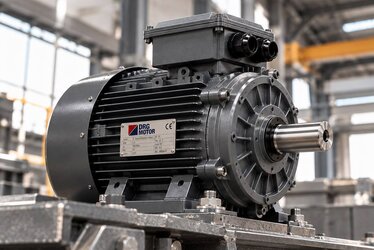
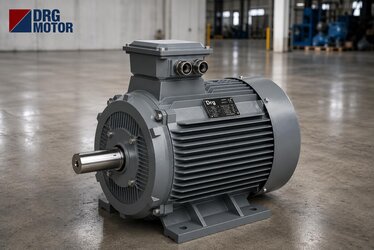
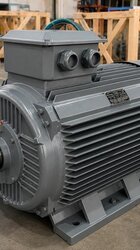
Under continuous vibration, aluminium frames fatigue, whereas a cast iron body damps mechanical shocks and resonance far better. The cast frame also conducts heat outward, lowering winding temperature. On crushing lines this is the single most decisive design choice for reducing unplanned stoppages.
Protection Against Dust and Moisture
If the fine stone dust in the air reaches the windings, it causes short circuits and rising temperatures. An IP55 rating and F-class insulation are the minimum standard for this environment. F-class lets the windings withstand up to 155 °C, leaving a safe margin even during high summer ambient temperatures.
Choosing the Right Crusher Motor
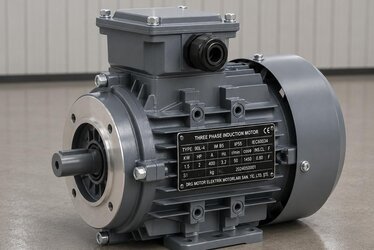
DRG Motor powers stone crushing and ore preparation plants with cast iron, IP55-rated, F-class insulated motors from 0.55 to 355 kW. Share the crusher type, gearbox ratio and daily running hours to receive a quotation for the power and speed suited to your application.