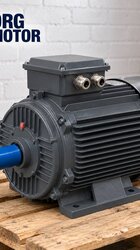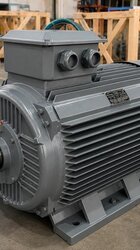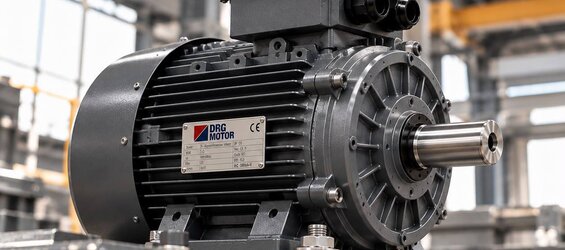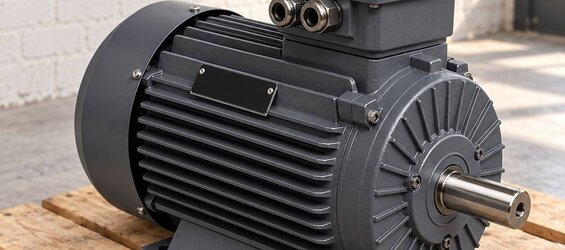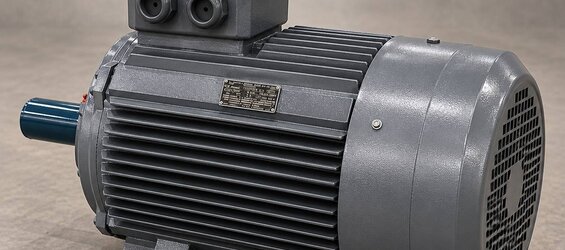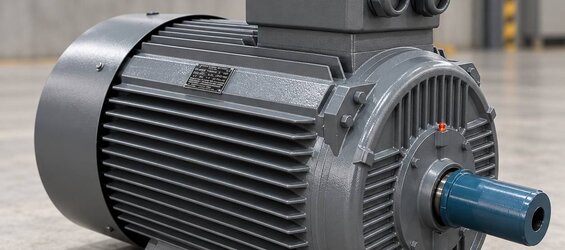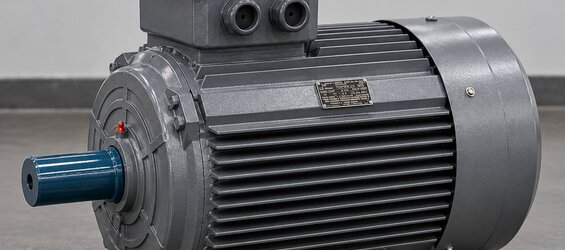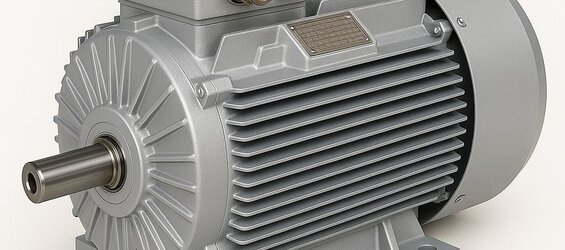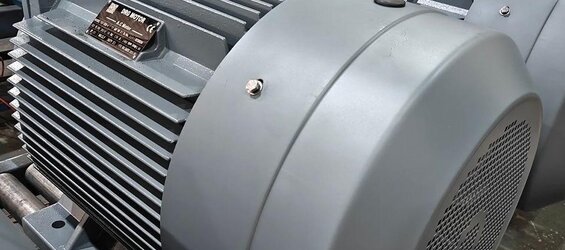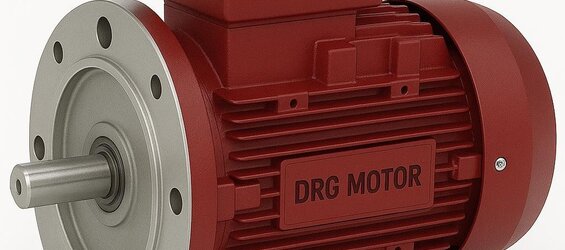

When you look at an electric motor from the outside, you only see a metal housing, a shaft and a few connections. Yet beneath this simple appearance lies elegant engineering that quietly turns electrical energy into rotation. To truly understand how a motor works, you first need to know the parts inside it. In this article we examine the internal structure of an electric motor one part at a time: the stator, the rotor, the windings and all the components that complete them.
If you are curious about the operation as a whole, the how an electric motor works article is a good starting point; here, the focus is entirely on the parts themselves.
The General Structure of a Motor

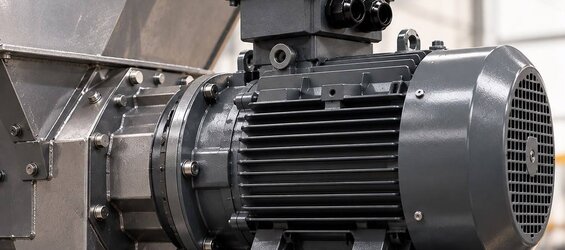
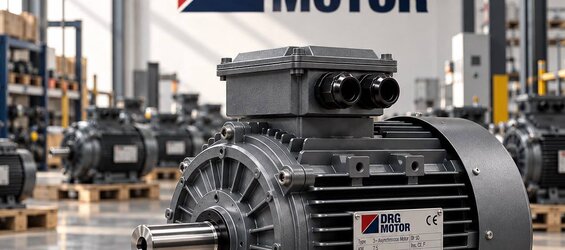
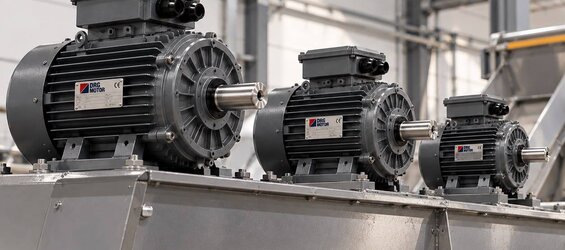
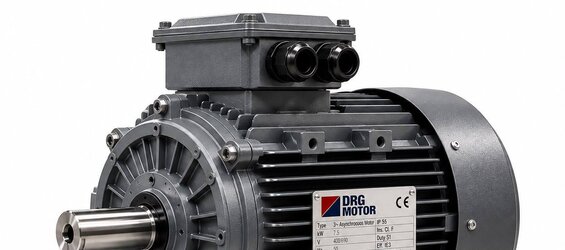
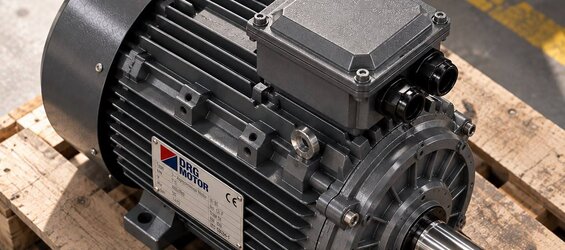
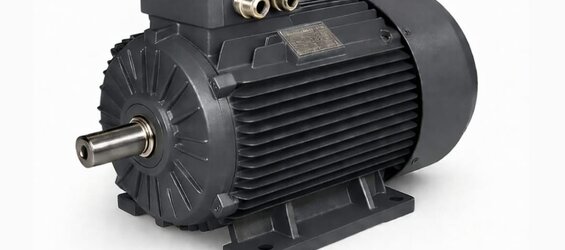
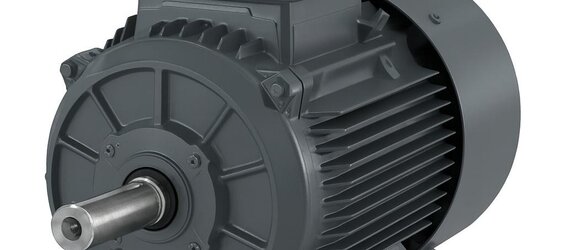
An asynchronous electric motor is made up of several essential parts that complement one another. The most important are the stationary stator and the rotor that turns inside it. But a motor is not just these two parts; the housing, shaft, bearings, cooling fan, fan cover and terminal box are also inseparable parts of its operation.
Each of these parts performs a specific task, and together they work in harmony. The stator produces the magnetic field, the rotor responds to that field and turns, the shaft transfers this rotation outward, the bearings carry the shaft, the fan cools the motor, and the housing protects and holds the whole system together. Let's now look at these parts one by one.
The Stator: The Stationary Magnetic Core
The stator is the fixed part of the motor that produces the magnetic field. It takes its name from being static. The stator consists of a core made by pressing thin silicon-steel laminations on top of one another. The fact that these laminations are thin and insulated from each other is no coincidence; if a single thick block of iron were used, the eddy currents circulating inside it would cause major energy loss and overheating.
Slots run around the inner circumference of the core, and copper windings are placed in these slots. When current passes through the windings, the stator behaves like a magnet and becomes the magnetic brain of the motor. The quality of the stator, the type of lamination used and the slot design directly determine the motor's efficiency and heating behavior.
The Windings: The Job of Copper
The windings consist of insulated copper wires carefully placed in the stator slots. In a three-phase motor there are three separate winding groups, positioned 120 degrees apart from one another. This arrangement causes a rotating magnetic field to form inside the stator when the phases are energized in sequence. This invisible force is what starts the motor turning; for the details, see the rotating magnetic field article.
Copper is the preferred material for windings thanks to its high electrical conductivity. Some economical motors use aluminum windings, but copper offers lower losses and better thermal behavior. The varnish insulation on the winding wires and the insulation class (such as F or H) that shows the temperature they can withstand are critically important for the motor's life.
The Rotor: The Rotating Part

The rotor is the part placed right at the center of the stator so that it can rotate. The most common type is the squirrel-cage rotor. In this structure, aluminum or copper bars placed in the slots of the rotor core are short-circuited at both ends by rings. The resulting cage-like structure is where it gets its name. In most motors this cage is cast as a single piece by injecting molten aluminum under pressure.
The second type is the slip-ring (wound) rotor. In this structure the rotor also has windings, which are connected to the outside through slip rings and brushes. The slip-ring rotor is used in special applications that need high starting torque and speed adjustment. In both types, the rotor turns by responding to the rotating field produced by the stator; for the logic of this rotation, the induction motor article gives detailed information.
The Air Gap: A Critical Space
The stator and rotor never touch; there is a small gap between them, measured in fractions of a millimeter. This gap is called the air gap, and it is far more important than it appears. Magnetic energy is transferred from the stator to the rotor precisely across this gap.
A narrow air gap that is equal at every point improves efficiency, because the magnetic field passes more easily and the magnetizing current stays low. If the gap is wide or uneven, the motor draws more current, heats up more and loses efficiency. This is why precise centering of the rotor and correct bearing operation are so important.
Shaft, Bearings and Mounting
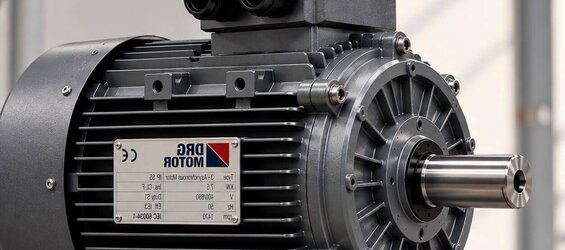
The shaft is the steel part that transfers the rotor's rotation to the outside of the motor, that is, to the machine being driven. Equipment such as pumps, fans or gearboxes connect to this shaft. The shaft is supported at both ends by bearings, which allow the rotor to turn without friction or vibration.
Bearings are among the most worn parts of a motor; regular inspection and greasing when needed extend the motor's life. Poor alignment, overload or insufficient lubrication are the main causes of bearing failures. A quality bearing and correct mounting are the foundation of a quiet, long-lasting motor.
The Cooling System: Fan and Fins
While a motor runs, it generates heat due to resistance in the windings and magnetic losses. This heat must be removed; otherwise the winding insulation is damaged. This is why most motors have a cooling fan on the shaft end. As the motor turns, the fan passes air over the housing to lower the temperature.
The cooling fins on the outer surface of the housing also increase the heat-dissipating area. For motors running at a constant speed, this simple system is enough; but for motors running for long periods at very low speeds, external (forced) cooling fans can be used. Proper cooling allows the motor to run safely at its rated value.
Housing and Protection
The housing is the shell that holds all the parts together and protects them from external influences. The most common housing material in industrial motors is cast iron, because it is both mechanically strong and dissipates heat well. For lighter applications, an aluminum housing is preferred.
The level of protection the housing provides is indicated by the IP code. For example, an IP55 motor is protected against dust and water jets. Choosing the right protection class for motors that will run in dusty and humid environments reduces the risk of failure from the start. For options with a durable housing, see our three-phase asynchronous motor page.
Terminal Box and Connections
The terminal box is the compartment where the motor's electrical connections are made. The winding ends are brought here and the mains cable is connected at this point. In three-phase motors, the winding ends are brought out to the terminal box so that a star or delta connection can be made. This makes it possible to start the motor with different methods.
Making the connections tight and correct is important for both safety and performance. A loose connection can lead to heating, sparking and phase loss. For this reason, terminal connections should be checked periodically.
The Importance of Material Quality
Two motors of the same power may look alike from the outside, but the quality of the materials inside makes them completely different. Low-loss silicon steel, pure copper windings, quality bearings and precise workmanship determine both a motor's efficiency and its life. A motor built with cheap materials may look affordable at first, but it consumes more energy and fails more often in the long run.
This is why, when choosing a motor, you should look not only at the power but also at the build quality. For high efficiency, well-built motors, see the high efficiency motors section, and for help choosing the right one for your application, you can get support from the DRG Motor team.
Types of Stator Windings
Stator windings are wound in different ways depending on how the motor is built. Small motors usually use single-layer windings, while large, high-efficiency motors use double-layer windings. A double-layer winding distributes the magnetic field more evenly and reduces vibration and noise. The winding pitch, the number of slots and the direction of winding are design parameters that determine the motor's pole count and therefore its speed.
The ends of the windings are brought to the terminal box, where a star or delta connection can be made. This connection type affects how the motor matches the mains voltage and which starting method is used. Properly wound and well-varnished windings directly determine both the motor's efficiency and its electrical strength.
Rotor Bars and Material Choice
In a squirrel-cage rotor, the material of the bars directly affects performance. Aluminum bars are light and economical, so they are preferred in most standard motors. Copper bars, having lower resistance, reduce losses and improve efficiency, which is why they are often used in high-efficiency IE4 and IE5 motors.
The shape of the bars within the slot also matters. Deep-slot or double-cage rotors produce higher torque at start-up, which is an advantage for applications that must start under heavy load, such as conveyors and crushers. The right rotor design determines both the motor's starting behavior and its running efficiency.
The Motor Nameplate: Rated Values
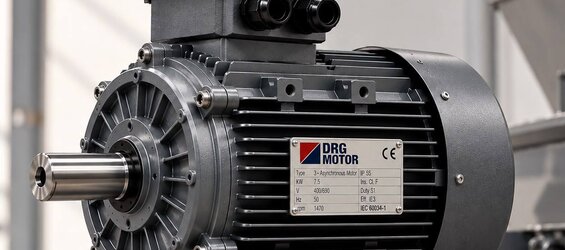
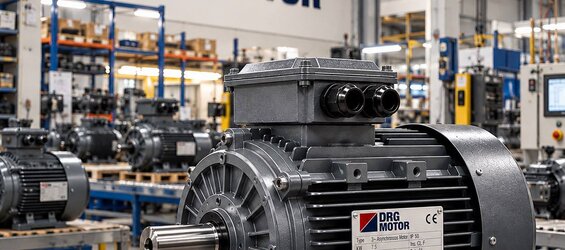
Every electric motor carries a nameplate that serves as its identity card. This plate shows values such as rated power (kW), voltage (V), current (A), power factor (cosφ), speed (rpm), frequency (Hz), protection class (IP) and insulation class. These values show the conditions under which the motor can safely operate.
Reading the nameplate correctly is the first requirement for using a motor properly. For example, running continuously above the current stated on the plate overheats the motor and shortens its life. When choosing a motor or looking for a replacement, the nameplate values must match your application.
Mounting Types: B3, B5 and B35
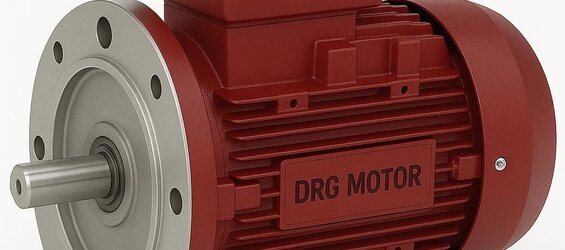
Motors can be connected to the driven machine in different ways, and this connection method is called the mounting type. The most common type is B3 (foot) mounting, where the motor has feet on its housing and is bolted to a base or rail. Where it must connect directly to a pump or gearbox, B5 (flange) mounting is used.
In some applications, B35 (combined) mounting with both feet and a flange is preferred, providing flexibility. Choosing the right mounting type prevents alignment errors and the bearing failures they cause. For mounting options that suit your application, see our general purpose motor page.
Cooling Methods
Motors are cooled in different ways, and the method affects how much power the motor can deliver. The most common is the self-cooled type, in which the fan on the shaft end blows air over the housing. This simple, reliable solution is sufficient for the vast majority of motors running at a constant speed.
In motors running for long periods at very low speeds, the motor's own fan may not produce enough air; in this case a separately powered external cooling fan is used. In some special applications, water-cooled housings are preferred. The right cooling method allows the motor to run safely at its rated value without overheating.
Frame Sizes and Standards
Electric motors are made in specific frame sizes according to international standards. This dimension expresses the height of the shaft center from the base and is called the frame size. Thanks to standard sizes, motors of the same power from different brands are compatible with one another, which is a great convenience for spares and replacement.
Because connection dimensions, shaft diameter and bolt holes are also defined by these standards, replacing a motor with another of the same size is usually trouble-free. A standard frame size is an important advantage for both ease of installation and long-term supply security.
Insulation Class and Temperature Resistance
The insulation material on the windings determines the temperature up to which a motor can safely operate. The most common insulation classes are F and H. Class F withstands up to 155 °C and class H up to 180 °C. The higher the class, the more safely the motor can run at higher temperatures and in harsher conditions.
The life of the insulation is directly related to the operating temperature; in a motor running continuously at a high temperature, choosing the right insulation class extends winding life many times over. This is why, in facilities with a high ambient temperature, the insulation class should be chosen as carefully as the power.
Frequently Asked Questions
Is a copper rotor or an aluminum rotor better? A copper rotor offers lower losses and higher efficiency, so it is used in higher efficiency-class motors; aluminum is more economical and sufficient for standard motors.
What are the most important values on a motor nameplate? Power (kW), voltage, current, speed and protection class are the basic values you must always check to choose a motor correctly and use it safely.
What is the basic difference between a stator and a rotor? The stator is the fixed part of the motor that produces the magnetic field; the rotor is the part that turns by responding to that field. The stator drives, the rotor performs.
Why is the squirrel-cage rotor so common? Because it is simple, rugged, inexpensive and almost maintenance-free. Since it contains no brushes or slip rings, it has very few wearing parts.
Why is the air gap so important? Because magnetic energy is transferred from the stator to the rotor across this gap, a narrow and uniform gap directly improves efficiency.
Why is a motor's housing made of cast iron? Cast iron is both mechanically strong and dissipates heat well, which provides long life under heavy industrial conditions.
Conclusion
The internal structure of an electric motor is a whole that looks simple but works flawlessly. The stator produces the magnetic field, the windings shape that field, the rotor sets in motion, the shaft transfers this motion outward, and the housing protects the whole system. When each part is made of the right material with the right workmanship, the result is a quiet, efficient machine that runs trouble-free for years. Knowing a motor's parts is the first step to making the right choice and using it for a long time.