 English
 Le français
 Türkçe

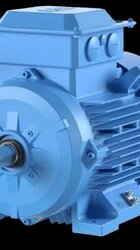
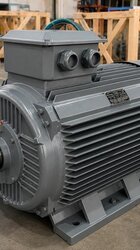
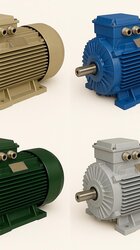
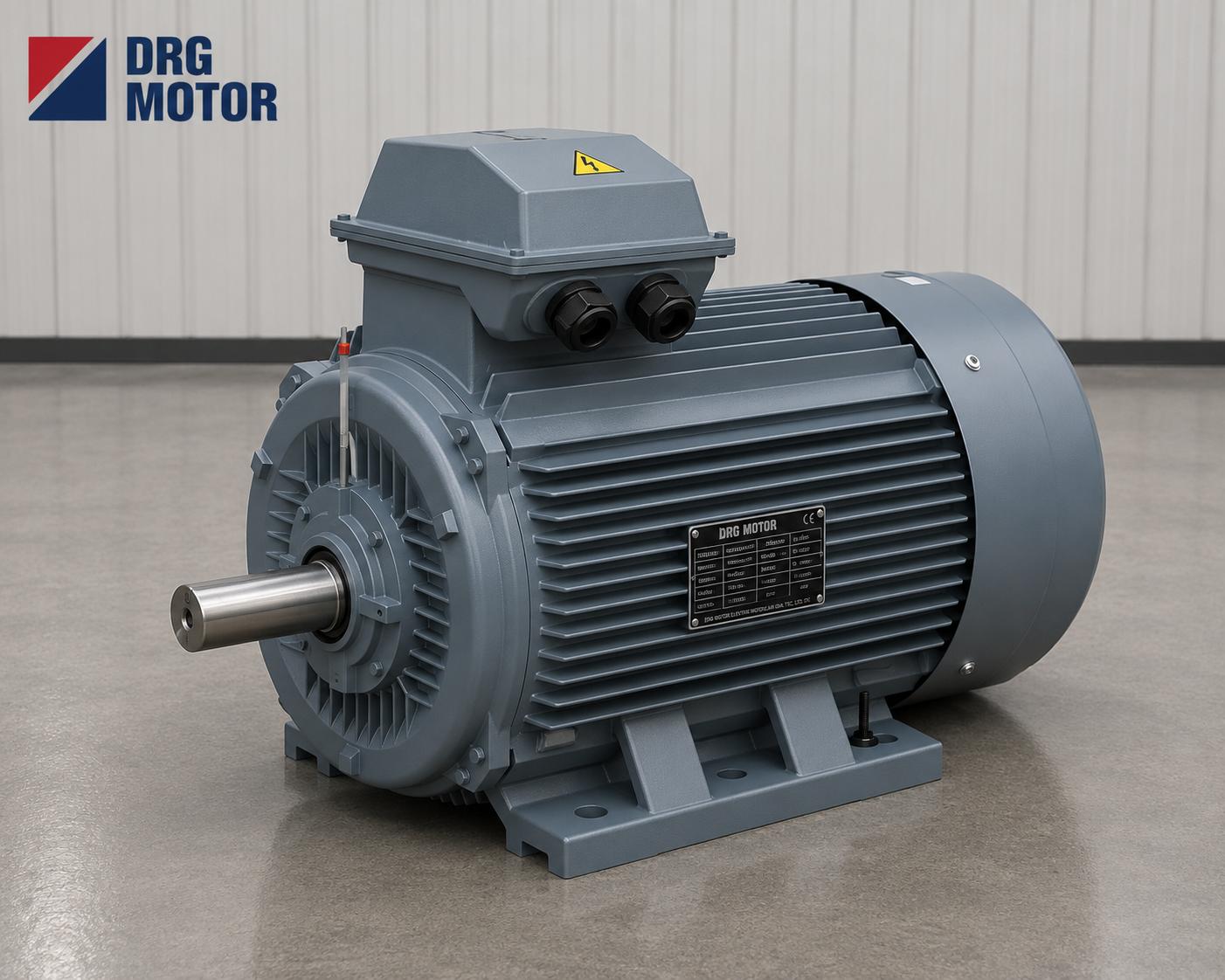

The number printed on an electric motor's price tag is only a small fraction of what that motor will actually cost you. An industrial motor runs in your facility for years, often well beyond a decade, and across that lifespan the energy it consumes, the maintenance it demands and the downtime it can cause will dwarf the original purchase price many times over. This is exactly where the idea of motor total cost becomes the deciding factor in a sound investment. At DRG Motor we always advise our customers to look past a single figure and weigh the entire amount that will leave their account over the motor's working life.
The price tag is the tip of the iceberg
Picture the total cost of ownership as a single pie chart: the figure on the motor's price label is the thin sliver at the edge, rarely worth even three percent of the whole, while the vast remaining wedge fills up with the energy the motor swallows during every hour it runs. A motor running continuously will, even by the end of its first year, have consumed more electricity in value than it cost to buy. That is why a low-efficiency motor chosen simply because it was cheap gives back everything it saved on day one within just a few weeks. The right decision treats a motor not as an expense line but as an investment with a calculable return.
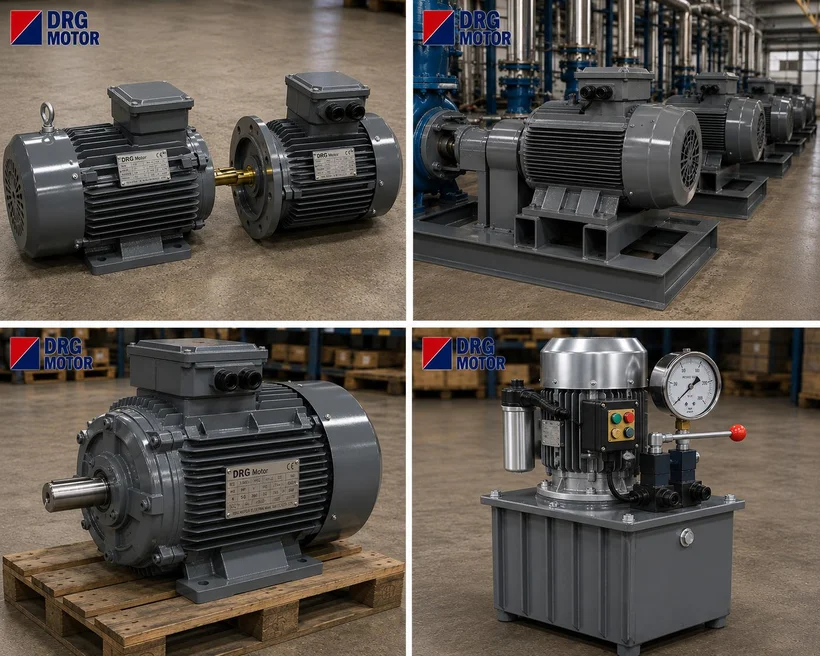
What goes into a TCO calculation
To build an accurate total cost of ownership figure you have to think beyond the moment you plug the motor in and start it. You need to consider the entire life cycle the motor will spend in your plant. The core line items in this calculation are:
- The initial purchase price and the cost of installing the motor on site
- Lifetime energy consumption, which usually accounts for more than ninety percent of the total
- Scheduled maintenance such as lubrication and bearing replacement
- Unexpected failures, winding burnout and rewinding repair costs
- The indirect costs of an idle line when the motor stops, from lost output to missed revenue
- The scrap or recycling value of the motor at the end of its life
When you lay all of these items out together, it becomes clear just how expensive a seemingly cheap motor can really be.
How the efficiency gap grows over the years
Motors in the IE3 and IE4 efficiency classes consume noticeably less energy than lower-class units. The difference of a few percentage points may look small, but when a motor runs for long hours a day across most of the year, that gap turns into substantial sums. For a mid-power motor running continuously, a two to three percent efficiency gain produces a serious drop in the annual energy bill, and that saving repeats every single year for the motor's entire life. To understand why moving to a more efficient design pays back so quickly, we recommend reviewing how the choice of an enerji tasarruflu motor affects an operating budget.
Calculating the payback period
The most practical output of a TCO analysis is the payback period. When you divide the extra amount you paid for a high-efficiency motor by the annual energy saving that motor delivers, you can see in how many years the additional investment pays for itself. In facilities that run continuously this period is most often between one and a half and three years. Since the technical life of the motor exceeds ten years, every year after payback is complete remains pure gain for the business. This simple ratio becomes your strongest argument in any purchasing meeting.
Maintenance and durability shape the hidden cost
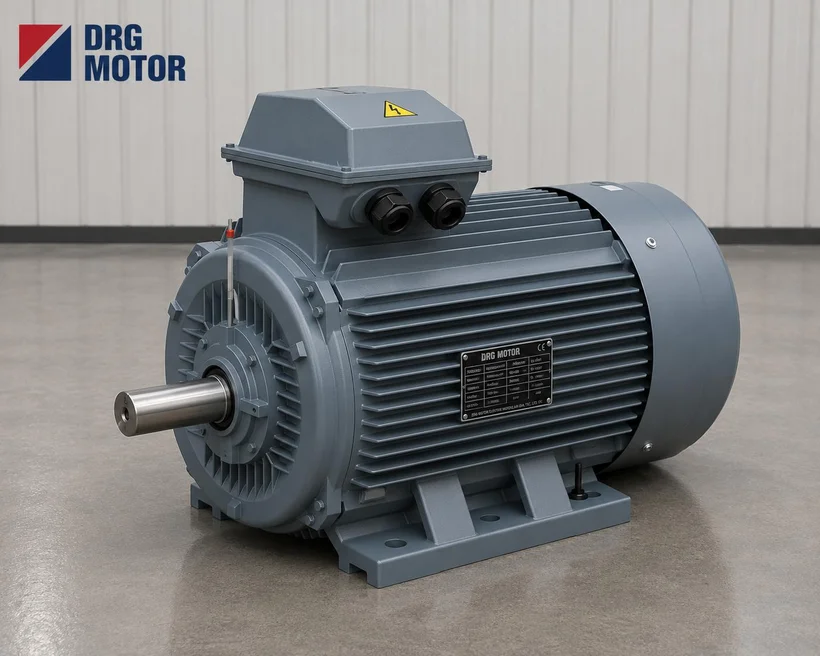
Total cost is not only about the electricity bill. A well-built motor runs cooler, its bearings last longer and its winding holds its properties over the years. In a poorly built motor, early winding burnout, frequent bearing changes and repeated repairs quietly inflate the cost. The material quality of the winding, the heart of the motor, is decisive here. That is why, when making a sourcing decision, you should always weigh the low-loss and high-durability advantage of choosing a bakır sargı motor over the long term.
Downtime cost is the line most often ignored
When a motor stops suddenly, it brings down not only its own repair bill but the entire production line it is connected to. Hourly production loss, delayed orders and customer dissatisfaction often prove far more expensive than the motor itself. A correctly specified, properly installed motor sourced from a reliable supplier prevents these unexpected losses and indirectly cuts the total cost in a meaningful way. For this reason, any honest TCO calculation has to put downtime risk on the table as a cost item in its own right.
The right power and class protect the investment
An oversized motor runs constantly at low load and loses its efficiency, while an undersized motor is always strained and shortens its own life. The right power, the right efficiency class and a frame type suited to the application provide the correct input at the very start of the TCO calculation. At DRG Motor we assess the load profile of your application together with you and clarify which efficiency class will give the shortest payback for your operating hours. From our deep stock of high-efficiency motors we help you find the unit best matched to your facility, the option with the lowest lifetime cost.
Rising energy prices change the equation
As electricity prices trend upward year after year, the saving delivered by an efficient motor grows in real terms. A gap that looks small today becomes far more decisive tomorrow as energy costs climb. For this reason a TCO calculation should not be built on today's energy price alone, but should also account for the expected upward trend across the motor's life. The extra amount you pay for a high-efficiency motor today stays fixed, while the waste that motor prevents every year becomes an increasingly valuable shield against rising electricity prices. This dynamic turns an efficient motor into more than a saving tool; it becomes a hedge against price volatility, protecting your operating budget from forces outside your control.
Drive and control compatibility complete the picture
A motor's true efficiency often emerges not in isolation but together with the drive and control system it is connected to. In applications that run on variable load, using a high-efficiency motor matched to a frequency inverter lets you extract far more saving from the system as a whole. In variable-flow applications such as pumps, fans and compressors, this compatibility can have a bigger impact on the annual energy bill than the motor swap alone. When you build a TCO calculation, treating the motor as a component of the system rather than an isolated part lets you forecast the real return far more accurately. At DRG Motor we factor in this system-level view when we make a recommendation.
Supplier choice is the unseen half of the cost
Two motors in the same efficiency class can look similar on paper, yet the sourcing strength and technical support behind them may be entirely different. Fast delivery, deep spare stock, accurate power recommendations and after-sales availability directly affect total cost in every situation you face over the motor's life. A delivery that slips by weeks, or a replacement that cannot be found the moment a unit fails, can wipe out the gain even the most efficient motor delivers. Working with a reliable supplier removes these unseen risks and turns the second half of the TCO equation in your favor. The right partner is not the one who merely sells you a motor, but the one who stays beside you for its entire working life.
Put real numbers behind your investment
The path to a sound decision runs not through guesswork but through a calculation built on your facility's real data. Based on your operating hours, your motor power, your current energy rate and your target efficiency class, we can prepare a motor total cost comparison tailored to you. This lets you move past the price tag and see in black and white which motor will leave the most money in your pocket across ten years. Better still, we can scale that comparison beyond a single unit to your entire motor fleet, weighing your shift count, load profile and growth plans so we can decide together which investment to prioritize first. To find the high-efficiency motor best suited to your plant, get in touch with the DRG Motor team, share your requirements, and let us build your real payback table together with a quote prepared just for you. Once you see the numbers, it becomes clear that the right motor is not a cost but a gain that proves itself.