 English
 Le français
 Türkçe

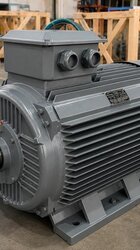
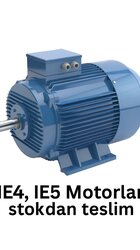
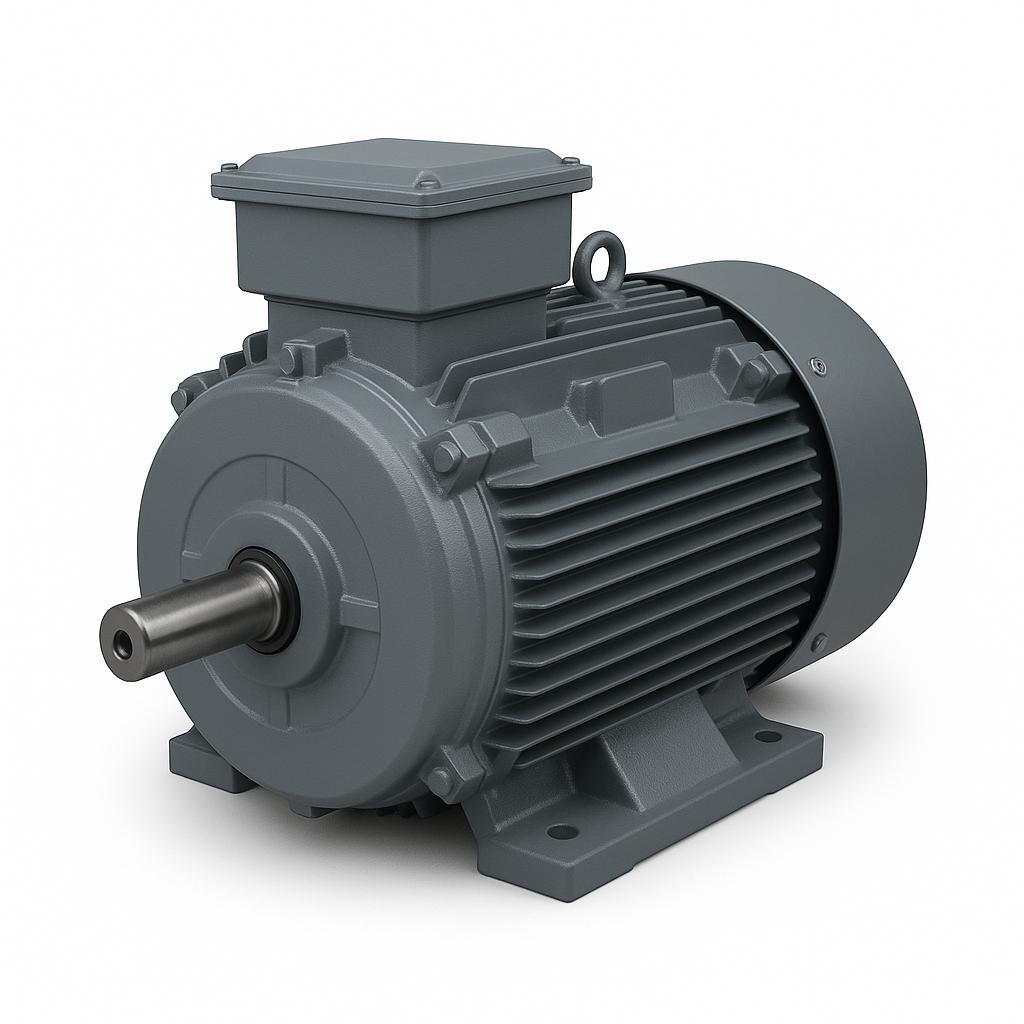

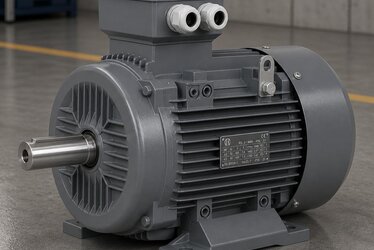
A high-efficiency electric motor produces the same mechanical work while drawing less electrical energy, lowering a plant's energy bill over its entire service life. In a motor's total cost of ownership, electricity consumption soon overtakes the purchase price, which makes the efficiency class the most decisive criterion for continuously running facilities.
Why Efficiency Matters
The monetary value of the electricity a continuously running motor consumes over its life is many times its own price. Moving from IE2 to IE3 and on to IE4 reduces the current drawn for every kilowatt of mechanical output. A difference of a few percentage points, spread over thousands of operating hours, turns into a meaningful cumulative saving.
Choosing an IE Class
IEC 60034-30-1 grades efficiency as IE1 (Standard), IE2 (High), IE3 (Premium), IE4 (Super Premium) and IE5 (Ultra Premium). The higher the class, the less the motor heats up, the lower its operating current and the smaller its cooling need. This benefits energy use and maintenance and lifespan.
The Construction Behind High Efficiency
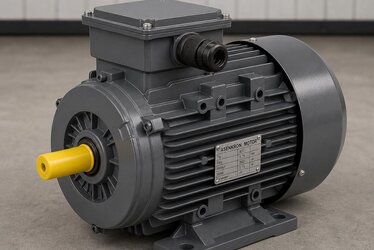
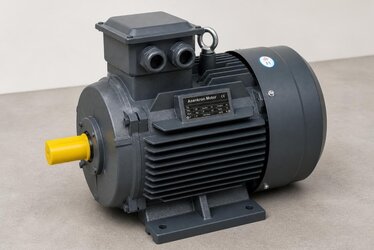
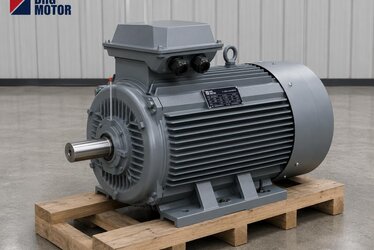
High efficiency comes from a higher-grade lamination stack, more generous copper windings and an optimised air gap. Class F insulation, IP55 protection and a cast iron frame deliver durability alongside efficiency. On a 400 V / 50 Hz network the 2-, 4- and 6-pole options cover different speed requirements.
Gaining Efficiency with DRG Motor
DRG Motor, a supplier based in Izmir, offers high-efficiency motors from 0.55 to 355 kW. We assess your operating hours and load profile to help you select the right efficiency class.