 English
 Türkçe

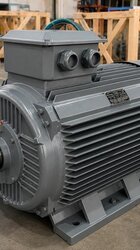
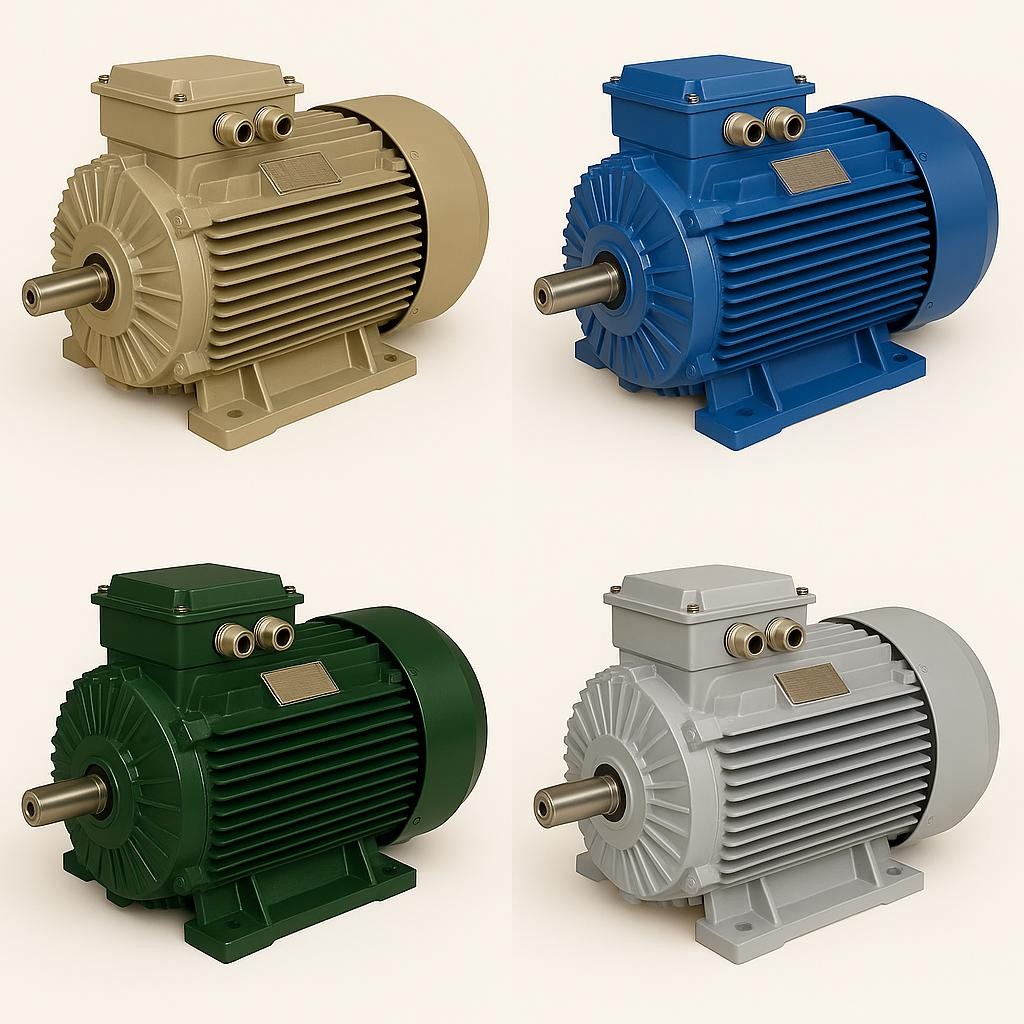

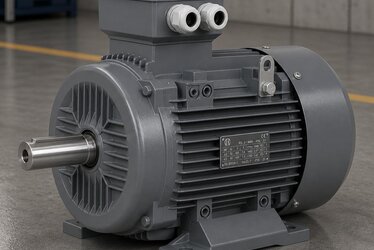
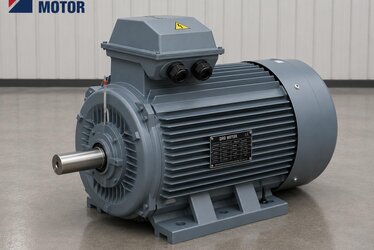
High efficiency and quality are two complementary traits in an electric motor: efficiency describes how it uses energy, while quality describes how long it can keep doing so. A motor turning across different fields such as industry, manufacturing, agriculture and automation lowers both operating cost and downtime when it offers these two traits together.
What Does Efficiency Determine?
Motor efficiency is how much of the electrical energy drawn from the supply becomes mechanical power at the shaft. As the IEC 60034-30-1 classes rise from IE1 Standard to IE4 Super Premium, losses fall. A high-efficiency motor heats less, which lowers both the energy bill and the cooling demand.
Where Does Quality Show?
Quality is made concrete in components such as a balanced rotor, good bearings, proper slot fill, IP55 protection and Class F insulation. These elements govern the motor's vibration, heating and failure behaviour. A well-built motor turns steadily for years at rated load while keeping maintenance to a minimum.
Efficiency and Quality Work Together
A high-efficiency but poorly built motor loses efficiency over time through vibration and heat; a sturdy but low-efficiency motor wastes energy. Their pairing means the motor holds its design efficiency in field conditions for a long time. This balance lowers the total cost of ownership on continuously running drives.
Matching Efficiency and Quality to Your Application
Load profile, running hours and ambient conditions are decisive in selection: a high efficiency class stands out for continuous, long-hour duty, and a cast iron frame for dusty, vibrating environments. Izmir-based DRG Motor sets the efficiency-class, frame and speed combination to the application across 0.55 to 355 kW.