 English
 Le français
 Türkçe

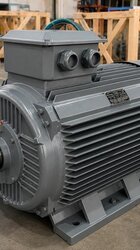
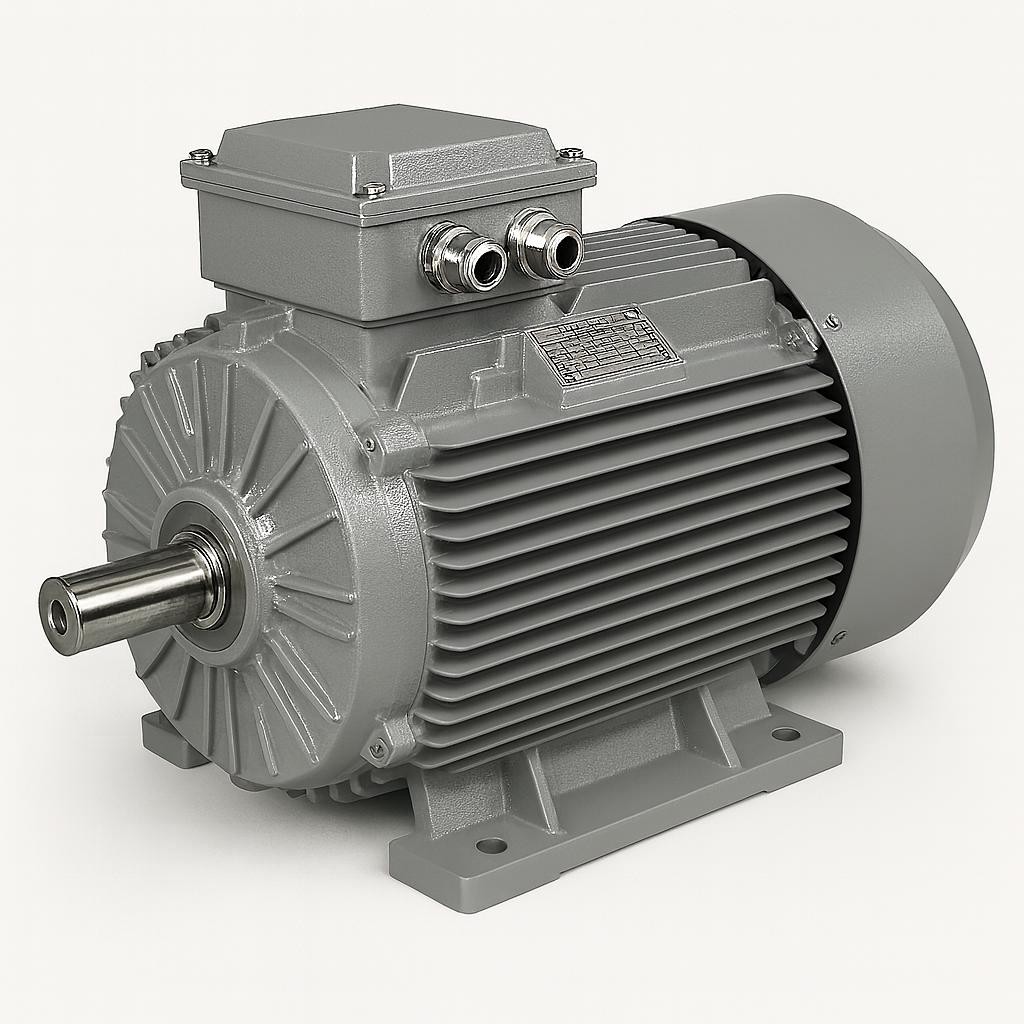

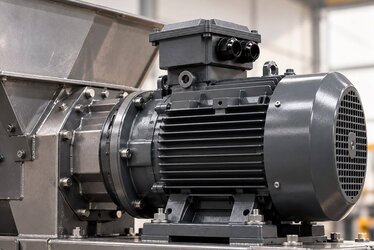
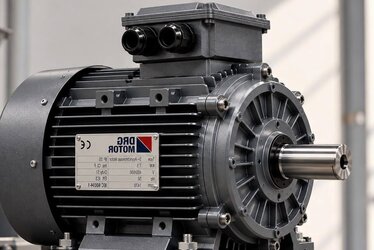
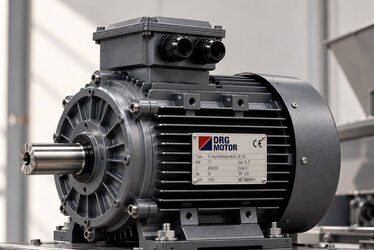
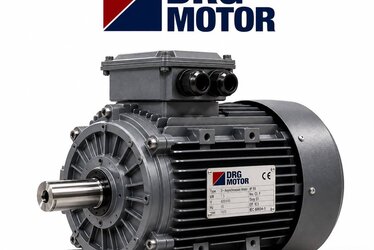
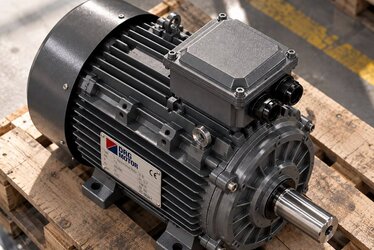
Vibration motors are special electric motors that produce controlled mechanical vibration through rotating eccentric (unbalanced) weights. This vibration is transmitted to the system they are attached to, enabling material to be conveyed, separated, compacted or made to flow freely. Optimized for vibrating systems, these motors are indispensable in many industrial processes.
How Does a Vibration Motor Work?
Adjustable eccentric weights are attached to both ends of the vibration motor's shaft. When the motor rotates, these unbalanced weights create centrifugal force, and this force turns into vibration. By changing the angle of the weights, the vibration intensity can be adjusted according to the application.
Areas of Use
Vibration motors are used in crushers, screening plants, vibrating silos, concrete and aggregate processing plants, feeder bunkers and material handling systems. They perform functions such as preventing clogging, homogenizing material and ensuring free flow.
Advantages of Vibration Motors
Since they convert mechanical motion directly into vibration, they do not need an additional transmission mechanism; this provides low maintenance and high efficiency. The sturdy body structure and dust protection (IP55 and above) ensure long-lasting operation in demanding plant conditions.
Choosing the Right Vibration Motor
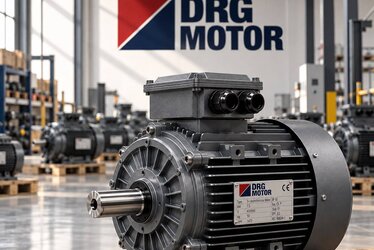
Vibration motor selection is made according to the centrifugal force to be produced, the speed and the load conditions of the application. The DRG Motor range covers vibration motors in different forces and sizes. Our stone crushing plant motors content may also be useful for heavy plant applications.
What Field Crews Check
Since vibration motors operate under continuous vibration, regular inspection of the bearings and fasteners is important. Periodically checking the tightness of the eccentric weights and bolts prevents unexpected stoppages. In dusty environments, cleaning the body and ventilation channels keeps the motor running without overheating.
Frequently Asked Questions
Can the vibration intensity of a vibration motor be adjusted?
Yes. By changing the angle of the eccentric weights on the shaft, the centrifugal force produced, and therefore the vibration intensity, can be adjusted according to the application.
What protection class should a vibration motor have?
For dusty and demanding plant environments, at least IP55 protection class is recommended; this ensures the motor runs long against dust and moisture.