 English
 Le français
 Türkçe

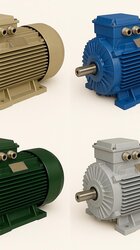
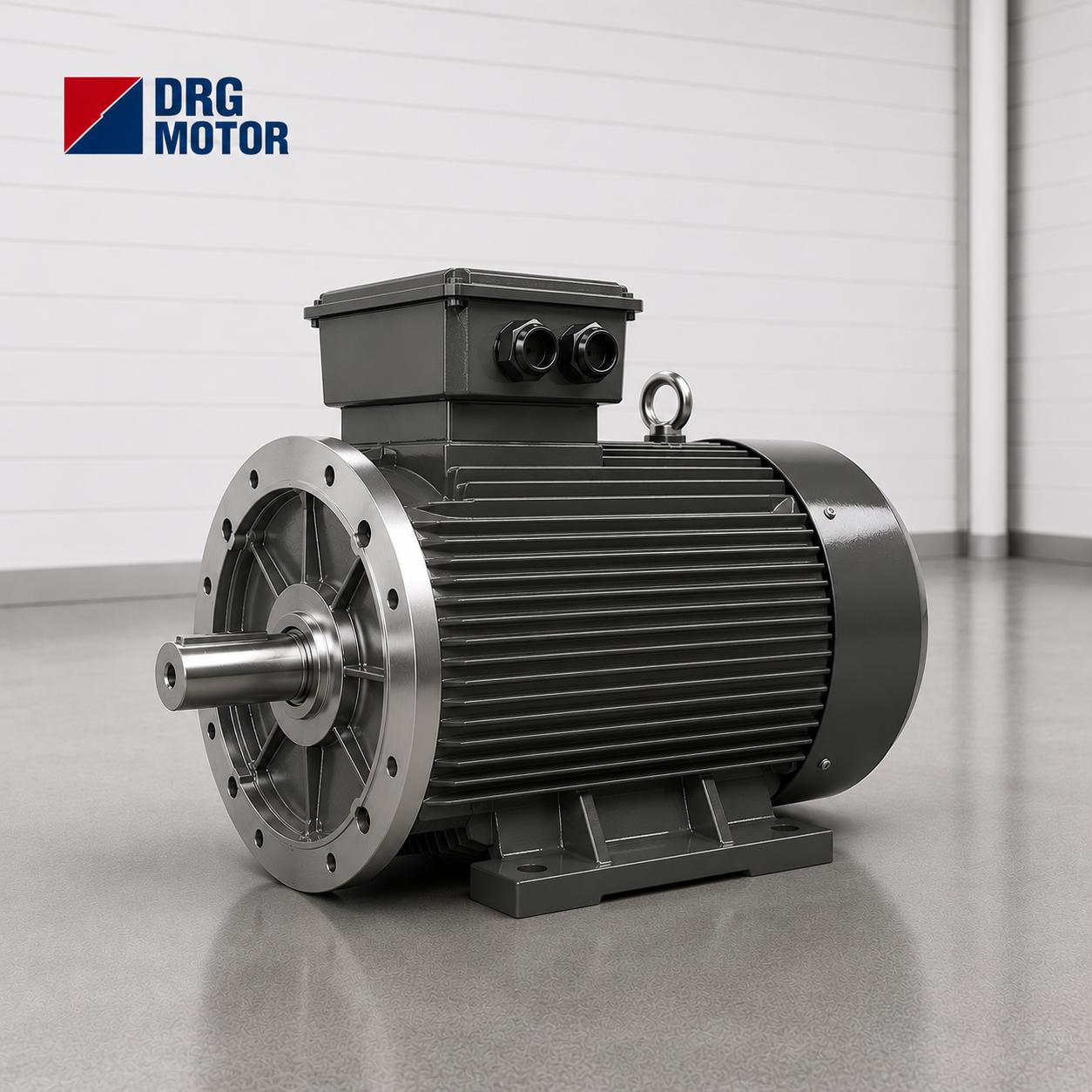

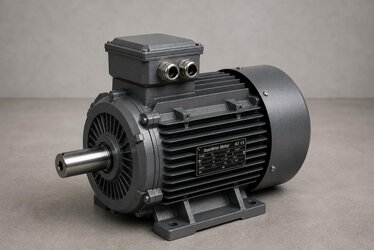
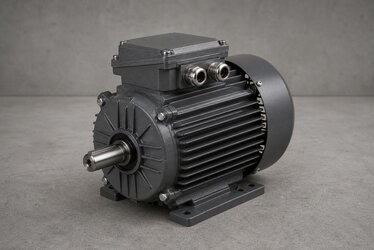
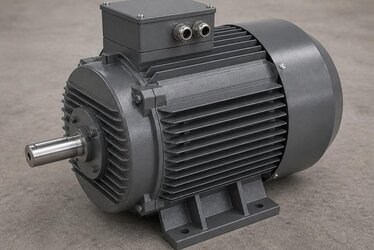
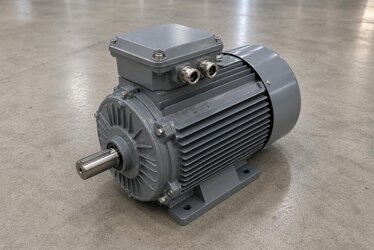
Choosing a 380V three-phase motor for an industrial site is far more than a quick click in a catalogue; it means weighing the right power rating, the correct connection method and a frame that suits the real operating conditions all at once. A poorly matched motor may run fine for the first weeks, but over time it shows up as overheating, premature failure and wasted energy. As a wholesale supplier of 380 volt three-phase motors to industrial plants, the most common situation we see is buyers deciding on nameplate power alone, without accounting for their actual load profile. This guide is built to strengthen your hand during purchasing: it clarifies what to specify when you request a quote and which details directly drive the cost. The goal is to help you make a decision you will not regret five years down the line, not just on the day the motor arrives.
Nameplate Power Is Not Operating Power
The kW figure on a motor states the maximum continuous mechanical power it can deliver, yet the power your application actually draws is usually below that. A motor driving a pump, fan or conveyor rarely runs at full load continuously. A sound selection starts by evaluating the peak load and the continuous load of the application separately. Keeping the continuous load in roughly the 75-90% band of the rated power is healthy for both efficiency and lifespan. Oversizing a motor looks safe at first glance, but a motor running at light load operates with a low power factor and poor efficiency, and that lands on your electricity bill.
At the other extreme, an undersized motor is constantly pushed to its limit, runs hot and tires its winding insulation far sooner than expected. That is why power selection has to consider the application's real resistive loads, the extra torque needed at start-up and the load swings across the day together. In a crusher or a mixer, for example, the starting torque can be a multiple of the continuous torque; in that case it is wise to add a safety margin on top of the nameplate power. For gradually loaded applications such as pumps and fans, an excessive margin only creates unnecessary cost. The right balance comes from understanding the load character of the application.
Star or Delta: Why the Connection Matters
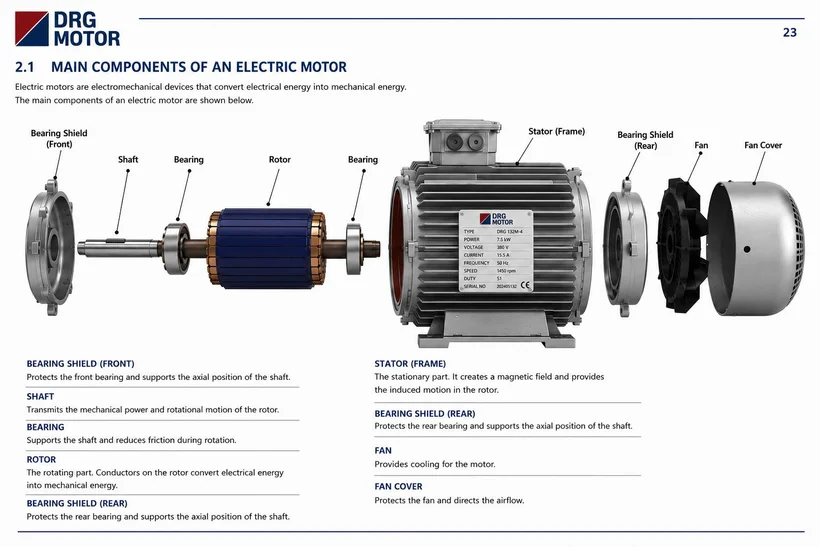
On a 380V supply, the connection method of a three-phase motor directly determines both its starting behaviour and the torque it produces. On dual-voltage nameplates (for example 220/380V or 380/660V), the choice between star and delta must follow the supply voltage; otherwise the motor either delivers insufficient torque or the windings are damaged. With high-power motors, a direct delta start draws a very high inrush current from the grid. That is why star-delta starting or a soft starter is preferred at medium and large ratings. Which method fits depends on the motor power and the inertia of the driven load.
- Low power and light load: a direct-on-line start is usually sufficient.
- Medium power and high inertia: star-delta reduces the starting current.
- Precise control and frequent start-stop: a soft starter or VFD is recommended.
The connection choice concerns the starting instant and how the motor sits with your supply. A wrongly connected motor can pull excessive inrush current, trip breakers and cause voltage dips in other equipment. For that reason the panel and protection devices must also suit the chosen starting method. Sharing the state of your existing panel and supply infrastructure at the quotation stage lets us recommend both the motor and the right starting solution together. That way commissioning moves faster, without on-site mismatches.
Selecting the Correct Speed
Motors with 2, 4, 6 and 8 poles run at different synchronous speeds, and your application dictates this choice. In pumps and fans the speed directly affects flow and pressure, so the wrong speed can render the whole system ineffective. The 4-pole motor (around 1500 rpm) is the most common choice because it suits a wide range of industrial applications. However, applications that need high speed call for 2-pole motors, while those needing low speed and high torque are better served by 6- or 8-pole units. Stating the target speed of your application at the quotation stage prevents an unsuitable motor from being shipped in the first place.
A frequent mistake in speed selection is replacing an existing motor by matching its power while ignoring its speed. Two motors of the same power but different pole counts have completely different torque-speed curves; one fits the application perfectly while the other either strains the system or falls short. If a VFD is to be used, the speed range becomes flexible, but then the motor's reduced cooling at low speed and its inverter compatibility must be assessed separately. Telling us the flow, pressure or line speed you are targeting makes it far easier to determine the best speed-power combination for you.
Protection Class and Operating Environment
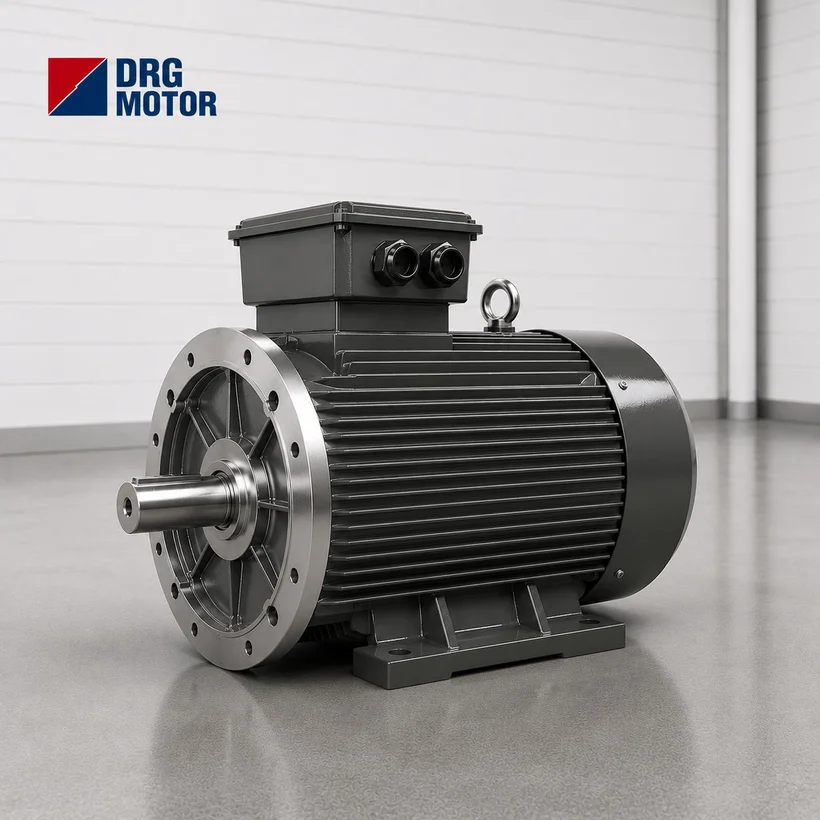
The environment in which the motor will run is the most critical factor in setting the enclosure protection class. In dusty, humid or splash-prone areas, choosing the wrong protection class seriously shortens motor life. To pin down which class you need for which conditions, we recommend reviewing the requirements of an ip55 motor. Outdoor installations or wash-down production lines may demand higher protection classes. Ambient temperature should not be overlooked either; above 40°C the rated power of the motor drops, and this must be reflected in the power selection.
Altitude is another factor that often slips through; at high elevations the cooling capacity of the air falls, so the power the motor can deliver decreases. Likewise, environments with chemical vapours, abrasive dust or explosion risk call for special frame and winding solutions. Stating such conditions at the quotation stage prevents the wrong motor, one that would fail soon after reaching the field, from being shipped. Describing the operating environment accurately is the cheapest investment you can make in the motor's lifespan.
Efficiency Class Pays Off Over Time
For continuously running motors, the purchase price is only a small share of the total cost; the real cost is the energy consumed over the motor's life. The difference between IE2, IE3 and IE4 efficiency classes can pay for itself within a few years on a motor that runs long hours each day. For this reason, instead of basing the decision on the initial investment alone, you should factor in the annual running hours and the unit cost of energy. When we prepare a quote, we assess together which efficiency class will deliver the fastest payback for your operating regime.
A simple view makes the impact of the efficiency class concrete: on a motor running thousands of hours a year, even a one- or two-point difference in efficiency turns into meaningful energy savings depending on the motor's power. On motors that run little, sit as standby or engage only briefly, the payback on a higher efficiency class slows down; in that case a choice that prioritises the initial investment may make more sense. The right decision shifts with the motor's running time and your energy price. Rather than a flat price, weighing these factors together and producing a quote tailored to your application protects you from unnecessary spending.
Mechanical Fit and Mounting Details
Mechanical compatibility is as critical as the electrical specification. Foot-mounted (B3), flange-mounted (B5) or combined mounting types are chosen according to the equipment the motor drives. The shaft diameter, key size and flange bolt pattern must match your existing system exactly; otherwise you face mismatches in couplings and fasteners. In applications with high inertia or a continuous high-torque demand, such as an enjeksiyon makinesi motoru and similar specialised machines, mechanical strength and bearing selection deserve separate evaluation. Sharing the mounting type of your existing motor or machine when you request a quote speeds the process up.
What to Specify When You Request a Quote
For a fast and accurate quote, having a few details ready is enough. Communicating them clearly prevents an unsuitable motor from being proposed and shortens the delivery time. With broad stock and quick supply, we can help you pinpoint the right model among three-phase asynchronous motors that fit your needs.
- Required power (kW) and application type (pump, fan, conveyor, etc.).
- Speed or pole-count preference.
- Connection method and supply voltage (380V).
- Mounting type (foot, flange) and shaft dimensions.
- Operating environment and protection class requirement.
- Daily running hours and efficiency class expectation.
Starting Out With the Right Motor
When a 380 volt three-phase motor is selected correctly from the start, it gives your operation a system that runs trouble-free for years, stays energy efficient and keeps maintenance costs low. Choices made in a hurry or with missing information come back as both lost production and recurring expense. With a broad product range, technical advice and a fast-supply approach, DRG Motor is by your side. To identify the three-phase motor best suited to your application and to receive a clear quote, simply reach out to our team; let us listen to your needs and offer you the right solution.