 English
 Le français
 Türkçe

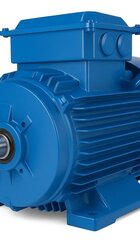
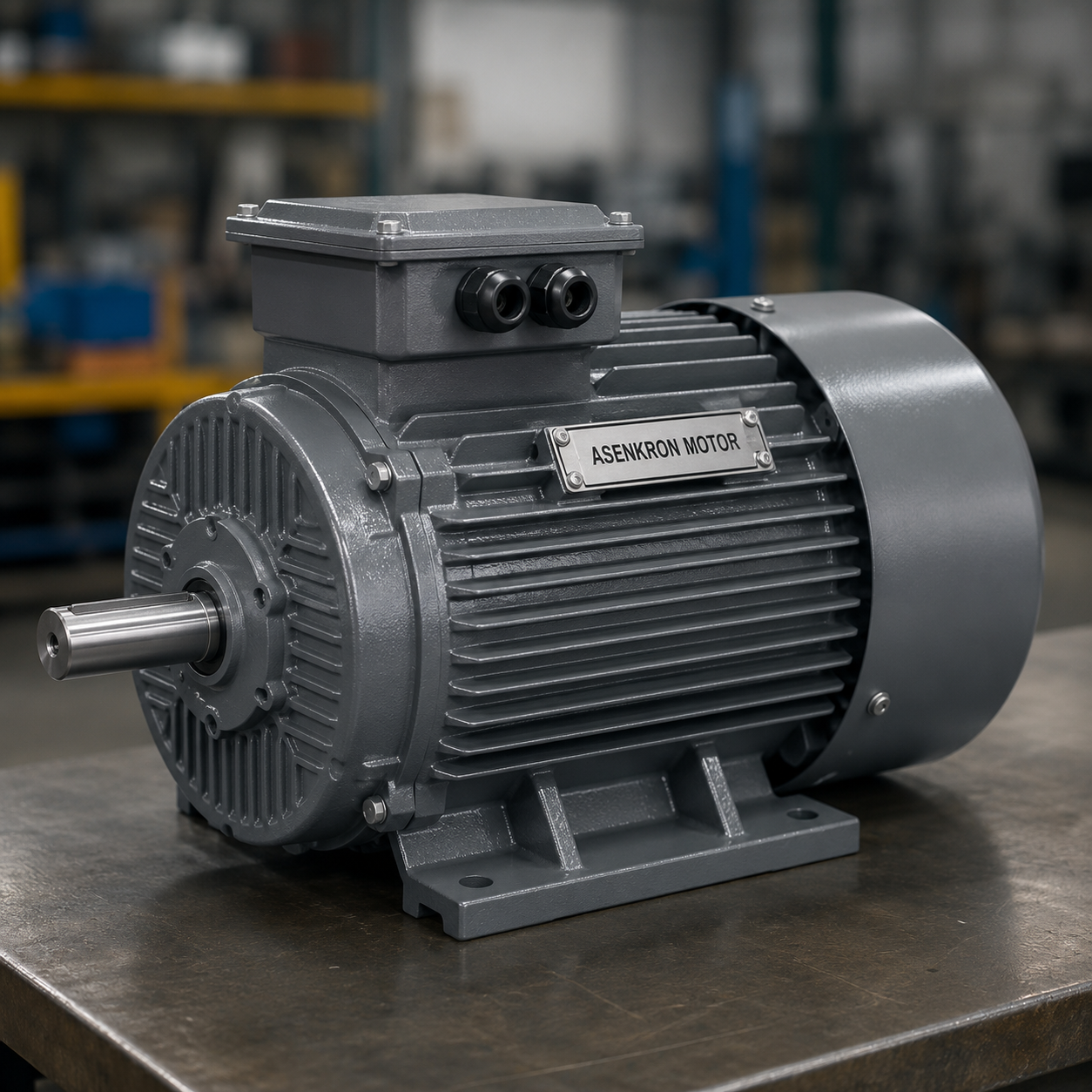

Machinery Electric Motors – Reliable Power Solutions for Industrial Machines
The performance of industrial machinery is directly connected to the quality and technical compatibility of the electric motor used in the system. From crushers and conveyors to pumps, fans, mixers and mills, many industrial machines receive their mechanical power from electric motors. For this reason, selecting the correct machinery electric motor is essential for production capacity, energy consumption, maintenance costs and machine service life.
DRG MOTOR supplies three-phase asynchronous electric motors with a wide range of power ratings, speed options and mounting configurations for machinery used in different industrial sectors. Individual and bulk electric motor supply solutions are available for machine manufacturers, industrial plants, maintenance companies, electric motor dealers and project contractors.
What Is a Machinery Electric Motor?
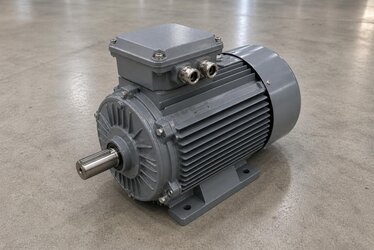
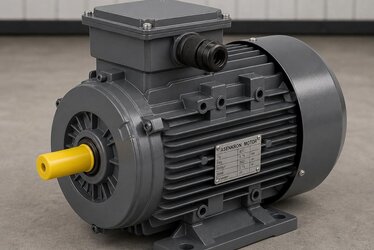
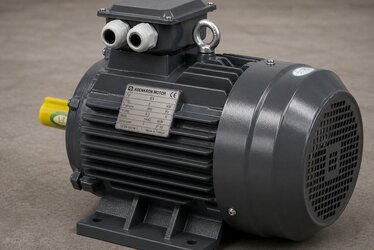
A machinery electric motor is a basic drive unit that converts electrical energy into mechanical rotary motion and enables a machine to operate. The rotary motion generated at the motor shaft is transferred to the moving part of the machine through a coupling, belt and pulley system, chain drive, gearbox or direct connection.
Electric motors perform many different functions in machinery:
- Driving crusher rotors
- Moving conveyor belts
- Powering fan impellers
- Rotating pump shafts
- Operating mixers and agitators
- Driving grinding systems
- Powering compressor units
- Operating feeding and material-handling systems
- Supplying input power to geared drive systems
Every machine has different power, torque and speed requirements. Therefore, selecting a motor only according to its kW rating is not sufficient.
Why Is the Correct Machinery Electric Motor Important?
An electric motor that is not suitable for the machine may cause technical and economic problems. An undersized motor may struggle under load, draw excessive current and overheat. An oversized motor may create higher purchasing costs and operate inefficiently under low load conditions.
Correct motor selection provides important advantages:
- Operation at the planned machine capacity
- More balanced energy consumption
- Lower risk of motor failure
- Better control of operating temperature
- Longer bearing and mechanical component life
- Reduced production downtime
- Lower maintenance costs
- Safer operating conditions
- More efficient production processes
When selecting a machinery electric motor, the machine’s no-load and full-load conditions, starting method, daily operating time and environmental conditions should be evaluated together.
How Is a Machinery Electric Motor Selected?
Several technical factors should be considered when selecting an electric motor for a machine.
Motor Power
Electric motor power is expressed in kW. The required motor power depends on the work performed by the machine, load level, operating speed and mechanical losses.
Low-power motors may be sufficient for small auxiliary machines, while crushers, mills, fans, compressors and large conveyor systems may require high-power electric motors.
DRG MOTOR generally offers a broad power range from 0.55 kW to 355 kW.
Motor Speed
Motor speed refers to the number of revolutions completed by the motor shaft in one minute. The operating speed and torque requirement of the machine are directly related to motor speed.
Common industrial speed options include:
- 1000 rpm electric motors
- 1500 rpm electric motors
- 3000 rpm electric motors
1500 rpm motors are widely used in industrial machinery. However, some applications may require 1000 rpm motors for higher torque or 3000 rpm motors for higher operating speed.
Starting Torque
Some machines start without load, while others start under load. Crushers, mixers, mills, conveyors and recycling machinery may require high starting torque.
If the motor does not provide sufficient starting torque:
- The machine may accelerate slowly.
- The motor may draw excessive current.
- Thermal protection may trip.
- Circuit breakers or fuses may open.
- Motor windings may be damaged.
For machines that start under heavy load, the torque characteristics of the motor must be carefully evaluated.
Operating Time
Daily operating time is another important factor in motor selection. A machine operating for a short time each day does not have the same motor requirements as a production line operating continuously over three shifts.
For continuously operating machinery, the following features become more important:
- Energy efficiency
- Insulation class
- Bearing quality
- Cooling performance
- Frame durability
- Protection class
- Low vibration levels
Mounting Configuration
The mounting type determines how the motor is connected to the machine. Even if the power and speed are correct, a motor with the wrong mounting configuration may not fit the equipment.
The main mounting types include:
- B3 foot-mounted electric motors
- B5 large-flange electric motors
- B14 small-flange electric motors
- B34 foot-mounted and small-flange motors
- B35 foot-mounted and large-flange motors
Before ordering, foot-hole spacing, flange diameter, shaft dimensions and frame size should be checked.
Three-Phase Asynchronous Machinery Motors
Three-phase asynchronous electric motors are among the most widely preferred motor types in industrial machinery. They are used in many industrial sectors because of their strong construction, low maintenance requirements and broad power options.
The main advantages of three-phase asynchronous motors include:
- Durable mechanical structure
- Long operating life
- Low maintenance requirements
- High-power options
- Different speed alternatives
- Foot-mounted and flange-mounted configurations
- Compatibility with variable frequency drives
- Suitability for continuous operation
- Compatibility with industrial power systems
- Easy integration into different machine types
DRG MOTOR provides three-phase asynchronous motor solutions with different power and connection options for machinery manufacturers and industrial businesses.
IE3 and IE4 High-Efficiency Machinery Electric Motors
A significant share of electricity consumption in industrial facilities comes from electric motors. Especially in machinery operating for long hours, motor efficiency directly affects total energy costs.
IE3 and IE4 high-efficiency electric motors are designed to convert a larger portion of electrical energy into mechanical power.
The main advantages of high-efficiency motors include:
- Lower energy losses
- More controlled operating temperatures
- Suitability for long-term use
- Contribution to lower operating costs
- More efficient production
- Reduced total energy consumption
- Compatibility with modern machinery systems
- Support for energy-efficiency targets
In continuously operating applications such as fans, pumps, compressors, conveyors, mills and production lines, high-efficiency motors may provide important long-term advantages.
Applications of Machinery Electric Motors
Electric motors are used in many machines and production systems requiring mechanical movement.
Crushing and Screening Machinery
High-power electric motors are used in stone-crushing, mining and aggregate-production plants.
Main machinery applications include:
- Jaw crushers
- Impact crushers
- Primary crushers
- Secondary crushers
- Tertiary crushers
- Vertical shaft impact crushers
- Hammer crushers
- Vibrating screens
- Vibrating feeders
- Sand-washing machines
- Belt conveyors
In these applications, high starting torque, strong frame construction and suitability for demanding operating conditions are important.
Recycling Machinery
Plastic, metal, tyre and cable recycling lines use many electric motors.
Main applications include:
- Plastic crushing machines
- Granulation lines
- Shredders
- Extruders
- Pelletizers
- Washing lines
- Drying machines
- Dewatering machines
- Tyre shredding machines
- Metal shredders
- Cable recycling machines
- Separation systems
- Conveyor lines
Since the load may change continuously in recycling machinery, motor torque capacity and mechanical durability are especially important.
Fan and Ventilation Machinery
In fan systems, the electric motor rotates the fan impeller and creates the required airflow.
Electric motors are used in:
- Centrifugal fans
- Radial fans
- Scroll fans
- Axial fans
- Industrial ventilation fans
- Smoke-extraction fans
- Drying fans
- Cooling fans
- Blower systems
When selecting a fan motor, airflow, pressure, impeller diameter, operating speed and daily operating time should be considered.
Pump Machinery
In pump systems, the electric motor rotates the pump shaft and impeller to transfer liquids.
Main applications include:
- Centrifugal pumps
- Fire pumps
- Irrigation pumps
- Booster systems
- Wastewater pumps
- Industrial process pumps
- Cooling-water pumps
- Deep-well pump systems
Pump motor selection should consider flow rate, head pressure, operating time and motor speed.
Conveyor Systems
Electric motors in conveyor systems are commonly used together with gearboxes. The rotary motion of the motor is transferred to the drum or chain mechanism through the gearbox.
Main conveyor types include:
- Belt conveyors
- Chain conveyors
- Screw conveyors
- Roller conveyors
- Pallet conveyors
- Bucket elevators
- Transfer conveyors
- Feeding conveyors
- Loading conveyors
Conveyor motor power should be selected according to material weight, capacity, conveyor length, incline and operating speed.
Mixer and Agitator Machinery
In mixers, the electric motor drives the mixing shaft either directly or through a gearbox.
Main applications include:
- Feed mixers
- Powder mixers
- Ribbon mixers
- Paddle mixers
- Horizontal mixers
- Vertical mixers
- Chemical agitators
- Food mixers
- Concrete mixers
- Granule mixers
Starting torque, operation under load and gearbox compatibility are important in mixer applications.
Feed, Flour and Grain Machinery
Feed factories, flour mills and grain-processing plants may use many electric motors with different power ratings within the same production line.
Main machines include:
- Feed crushing machines
- Feed mills
- Hammer mills
- Grain-grinding machines
- Flour mills
- Feed mixers
- Screens
- Screw conveyors
- Bucket elevators
- Grain conveyors
- Feed-production lines
Marble and Natural Stone Machinery
Electric motors are used for cutting, conveying, grinding and polishing operations in marble and natural stone plants.
Main machines include:
- Block-cutting machines
- Gang saw machines
- Bridge-cutting machines
- Sizing machines
- Grinding machines
- Polishing lines
- Stone conveyors
In dusty operating environments, motor protection class and frame durability become especially important.
Geared Machinery Electric Motors
Some machines require lower motor speed and higher output torque. In these applications, the electric motor is used together with a gearbox.
Geared motors are commonly used in:
- Conveyors
- Mixers
- Screw feeders
- Elevators
- Packaging machinery
- Feeding systems
- Rotary tables
- Agitators
- Production lines
When selecting the motor and gearbox, motor power, input speed, reduction ratio, output speed and required torque should be evaluated together.
Machinery Motors Used with Variable Frequency Drives
A variable frequency drive allows the speed and starting characteristics of an electric motor to be controlled.
The main advantages of variable frequency drive systems include:
- Adjustable motor speed
- Smooth starting
- Controlled starting current
- Reduced mechanical shock
- Adjustable process speed
- Potential energy savings
- Improved production-capacity control
Cooling performance may decrease when a motor operates at low speeds for long periods. Depending on the application, an external cooling fan or a motor suitable for inverter duty may be required.
Main Causes of Machinery Electric Motor Failures
A significant number of electric motor failures are caused by incorrect selection, improper installation or unsuitable operating conditions.
The main causes include:
- Overloading
- Phase loss
- Low or high voltage
- Incorrect star-delta connection
- Incorrect thermal-protection setting
- Frequent starting and stopping
- Insufficient ventilation
- Bearing damage
- Shaft misalignment
- Coupling misalignment
- Excessive vibration
- Dust and moisture
- Blocked cooling-fan cover
- Incorrect variable-frequency-drive settings
Regular inspection, clean ventilation channels and correct mechanical alignment help reduce the risk of motor failure.
Machinery Electric Motor Prices
Machinery electric motor prices vary according to the technical specifications of the product. Motors with the same power rating may have different prices depending on speed, mounting type, frame size and efficiency class.
The main factors affecting price include:
- Motor power
- Motor speed
- Efficiency class
- Frame size
- Frame material
- Mounting type
- Flange dimensions
- Shaft diameter
- Winding structure
- Bearing quality
- Protection class
- Order quantity
- Stock availability
- Delivery conditions
For an accurate quotation, the motor kW rating, speed, mounting arrangement, frame size and order quantity should be provided.
Wholesale Electric Motor Sales for Machinery Manufacturers
Machinery manufacturers may require multiple electric motors in different power ratings for serial production or project-based manufacturing.
The main advantages of bulk motor purchasing include:
- More competitive unit prices
- Regular product supply
- Easier production planning
- Standardized motor use
- Reserve stock for critical power ratings
- Reduced delivery times
- Easier spare-motor management
- Supply planning suitable for serial production
DRG MOTOR provides individual and wholesale electric motor sales for machinery manufacturers, factories, dealers and industrial companies.
DRG MOTOR Machinery Electric Motors
DRG MOTOR offers a broad product range for different industrial machinery applications.
General product features include:
- Power options from 0.55 kW to 355 kW
- 1000, 1500 and 3000 rpm alternatives
- B3 foot-mounted motors
- B5 flange-mounted motors
- B14 small-flange motors
- B34 and B35 mounting configurations
- IE3 high-efficiency motors
- IE4 high-efficiency motors
- 100% copper windings
- Cast-iron frames
- IP55 protection class
- Class F insulation
- Construction suitable for industrial use
- Individual and bulk sales options
Product specifications may vary depending on motor power, frame size and application conditions.
Why Choose DRG MOTOR?
When purchasing a machinery electric motor, product quality, technical compatibility, stock availability and supply reliability should be evaluated together.
The main advantages offered by DRG MOTOR include:
- Broad power range
- Different speed options
- Foot-mounted and flange-mounted motor alternatives
- IE3 and IE4 high-efficiency products
- 100% copper windings
- Durable cast-iron frames
- Competitive pricing
- Broad stock availability
- Fast order preparation
- Special supply solutions for machinery manufacturers
- Wholesale sales opportunities
- Technical product information
- Delivery throughout Türkiye
- After-sales support
DRG MOTOR does more than sell electric motors; it provides motor solutions suitable for the operating conditions of each machine.
Machinery Electric Motor Sales Across Türkiye
Based in İzmir, DRG MOTOR supplies electric motors to Istanbul, Ankara, Bursa, Konya, Kocaeli, Gaziantep, Kayseri, Manisa, Denizli, Adana, Mersin and other industrial cities throughout Türkiye.
Sharing the following information during a quotation request helps identify the correct motor:
- Motor power
- Motor speed
- Mounting type
- Frame size
- Shaft and flange dimensions
- Machinery application
- Daily operating time
- Order quantity
- Delivery city
- Special technical requirements
Reliable Electric Motor Solutions for Your Machinery
A machinery electric motor is one of the most important components affecting production performance and operating reliability. A high-quality motor selected with the correct power, speed and mounting configuration contributes to efficient operation, controlled energy consumption and reduced unexpected production downtime.
DRG MOTOR supplies three-phase asynchronous electric motors across a broad power range for machinery manufacturers, industrial plants, electric motor dealers, distributors and maintenance companies.