 English
 Le français
 Türkçe

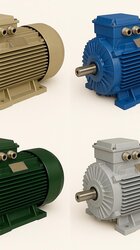
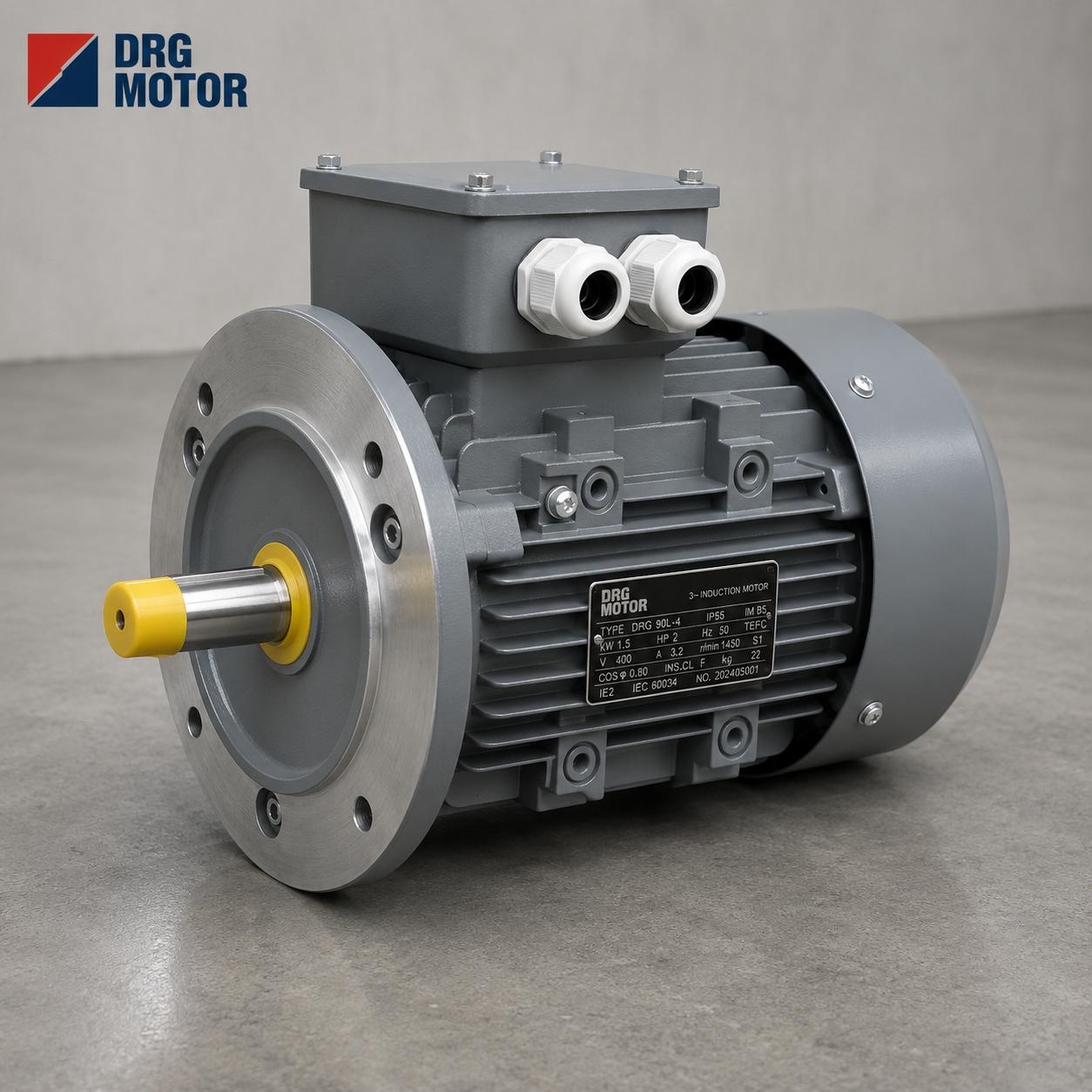

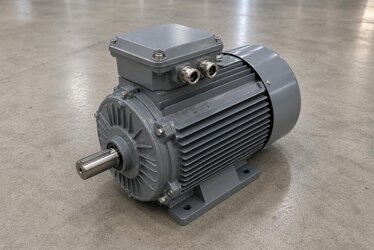
On any farm, the timing and volume of water lifted from below ground to the surface can decide the fate of a harvest. The reward for a whole season of effort often comes down to whether the pump can keep water flowing without interruption at the critical moments. At the heart of that process sits the motor that turns the pump. In orchards, smallholdings, and wellheads where three-phase power simply is not available, a correctly chosen irrigation motor directly affects both yield and the electricity bill. As DRG Motor, we supply 220V single-phase electric motors to farmers, agricultural cooperatives, and pump installation companies with ready stock and fast dispatch, standing beside them throughout the season.
Where single-phase power fits on the farm
Across much of rural Turkey, three-phase mains are not present, and investing in a transformer is rarely economical for small plots. The cost of bringing in three-phase power can exceed the annual income of many small gardens. This is exactly where 220V single-phase motors earn their place. For surface pumps, jet pumps, pressure boosters, and shallow well submersibles, single-phase solutions simplify installation because they can run off an existing house or barn line. The grower can run the pump from the line already on hand, without committing to extra infrastructure. We bring together a portfolio of single-phase asynchronous motors across different power classes under one roof, so the grower deals with a single supplier rather than getting lost among several brands.
Matching the right power class to your pump
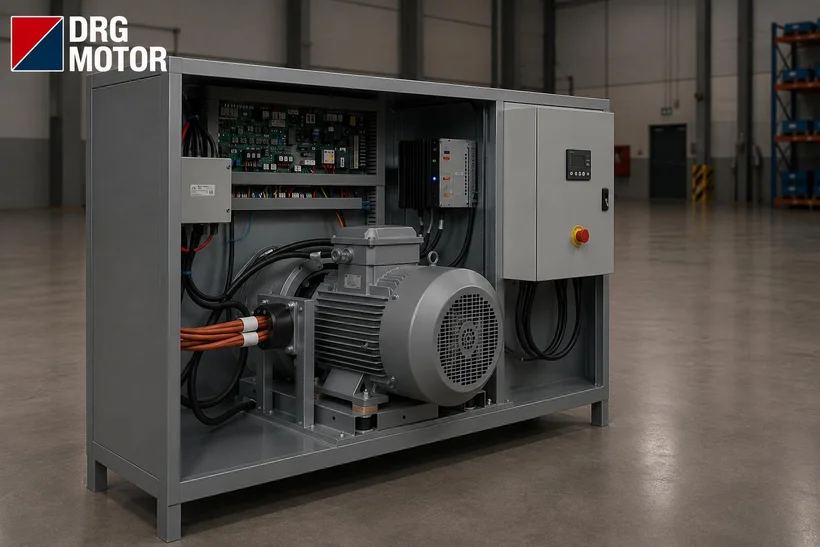
Choosing the wrong irrigation motor leads to one of two problems: a pump that cannot deliver enough water, or a motor that is constantly strained until it burns out. Either outcome costs the grower time and money. The correct match is made by factoring in the required flow rate, the head height, and the length of the pipe run. How high you need to push the water, how long a horizontal line you will run, and how much water you need per hour are the main variables that set the motor power. As a general rule, single-phase motors between 0.5 and 3 horsepower comfortably drive most surface pumps for garden irrigation, while deeper wells and longer lines call for a higher power class. The most reliable approach is to share your pump nameplate figures with us during the quotation stage. Our pump electric motor guide walks through these selection criteria step by step and shows common mistakes with examples.
A body built for field conditions
The agricultural environment is a harsh place for a motor. Dust, mud, water splashing during irrigation, summer heat, and winter humidity are all factors that can shorten a motor's life. A motor running at a shadeless wellhead in the open has to keep turning for hours under both sun and dust. That is why the protection rating, insulation quality, and housing material of the single-phase motors we supply truly matter. A motor with the wrong protection rating can take in moisture and fail at the first rain or the first irrigation cycle.
- IP55 and higher protection ratings provide safe operation against dust and water splash.
- Class F insulation protects the windings even at high ambient temperatures and extends life.
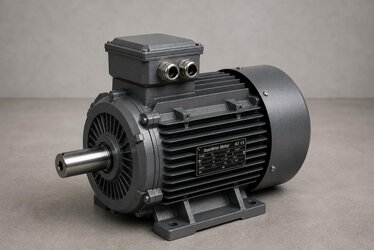
- Aluminium or cast iron housing options are offered according to usage intensity.
- Thermal protection automatically stops the motor under overload, preventing burnout.
- A balanced rotor and quality bearings reduce vibration for quiet, long-lasting operation.
Why starting torque is critical
Pumps require high starting torque to begin moving from a standstill. This becomes especially pronounced in submersible and jet pumps that must set a full pipe line in motion all at once. Getting a water-filled line moving from zero is the moment when the motor is under the greatest strain. Capacitor-start single-phase motors supply the extra torque needed at startup, allowing the pump to engage without stalling. In the models we supply, having start and run capacitors at the correct capacity prevents many of the failures seen in the field. A wrongly sized capacitor causes a motor to hum without turning, or to overheat quickly, which is why we offer recommendations based on the actual application and the start characteristics of your pump.
Efficiency that lowers your electricity cost
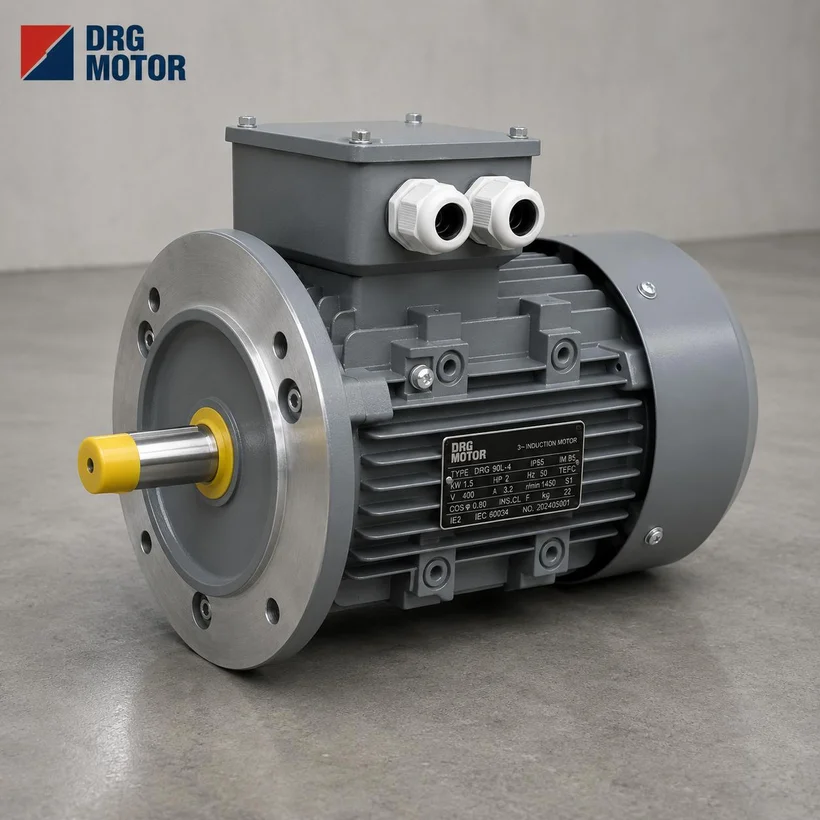
During the irrigation season, the motor runs for long hours each day, which turns electricity consumption into a visible line item in the harvest budget. On some farms, irrigation cost grows to rival fuel and fertilizer. A high-efficiency motor does the same job with less energy, delivering meaningful savings by the end of the season. Cheap-looking, low-efficiency motors may seem attractive at first, but the extra energy they waste closes the price gap within a few seasons and then overtakes it. In other words, the initial sticker price is only part of the real cost. We share the efficiency figures of the motors we supply transparently, so the grower can decide by looking at the total cost of ownership. The right motor is an investment decision, not just a purchase, and it pays for itself within a few seasons.
Safety and continuous operation
In farming, a water outage can have consequences that are hard to recover from; plants go dry, yield drops, and sometimes an entire plot is damaged. For this reason an irrigation motor must be not only powerful but dependable. Measures such as dry-run protection, phase protection relays, and thermal protection keep the motor from dropping out at an unexpected moment. Dry-run protection, which stops the motor from spinning empty and burning out when the well runs dry, is especially valuable in submersible applications. The same logic applies to firefighting and pressurization applications; indeed, in our supply of the yangın pompası motoru our priority is uninterrupted operation and rapid engagement. On the irrigation side, we can also add automation that protects the motor when the well level drops, right into your quotation.
Not every agricultural application calls for the same motor. The surface centrifugal pumps used for garden irrigation demand a different motor characteristic from the submersible pumps that draw water from a well. Constant pressure matters in drip irrigation systems, while high flow takes priority in flood irrigation. In greenhouse operations, the motor is expected to withstand a humid environment. As a supplier, we keep a single-phase motor option suited to each of these scenarios in our portfolio. We recommend motors that stop and start automatically for booster systems, models with high suction torque for jet pumps, and watertight-housing solutions for submersible applications. Knowing which pump you run is the first condition for supplying you the right motor rather than the wrong one.
Delivery from stock and technical support
The irrigation season is short and intense; a failed motor sitting idle for days is a real loss for the grower. A plant that needs water cannot wait for the motor to arrive. As DRG Motor, we keep single-phase motors in the common power classes in stock to ensure fast dispatch. When working with our dealers and pump installation partners, we identify the models most needed in the field in advance and build the supply chain around that demand. That way we can respond to urgent requests that come up in the middle of the season as well. Our technical team guides you on motor selection by phone or during the quotation stage, supporting you at every step from reading the pump nameplate to choosing the right capacitor value. Sharing details such as the pump type, well depth, and line length before ordering lets us send you the most suitable motor the first time and removes the risk of wrong shipments and delays.
A supply advantage for dealers and installers
We supply regularly to end-user farmers, to pump dealers and to installation companies operating in agricultural regions. We know that a dealer serving dozens of farmers in an area will need motors across different power classes throughout the season. That is why, on bulk orders, we work like a solution partner on stock continuity, flexible payment terms, and fast restocking. When a dealer can hand over a motor to a customer without delay, they protect their reputation and grow their sales at the same time. For installation companies, planning the pump and motor together and shipping a compatible set to the field in a single delivery means saving labour and time. We give priority on many fronts, from pricing to technical training, to partners who build a long-term relationship with us.
Reach out for the right motor
The foundation of a system that reliably lifts your field's water is a correctly supplied motor. Whether you need a single pump for one orchard or a cooperative-scale bulk purchase, we offer irrigation motor options tailored to your needs with a price advantage. On bulk orders we pass the economy of scale through to the price and provide special terms for installation companies. Share your pump nameplate values and your operating conditions, and let our team prepare a quick quotation for the most suitable single-phase motor. As you prepare for the season, get in touch with us before leaving motor supply to the last moment, secure your irrigation power, and do not leave your harvest at the mercy of water.