English
 Le français
 Türkçe

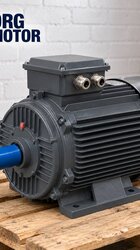
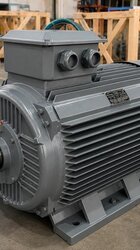
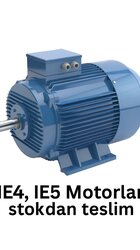
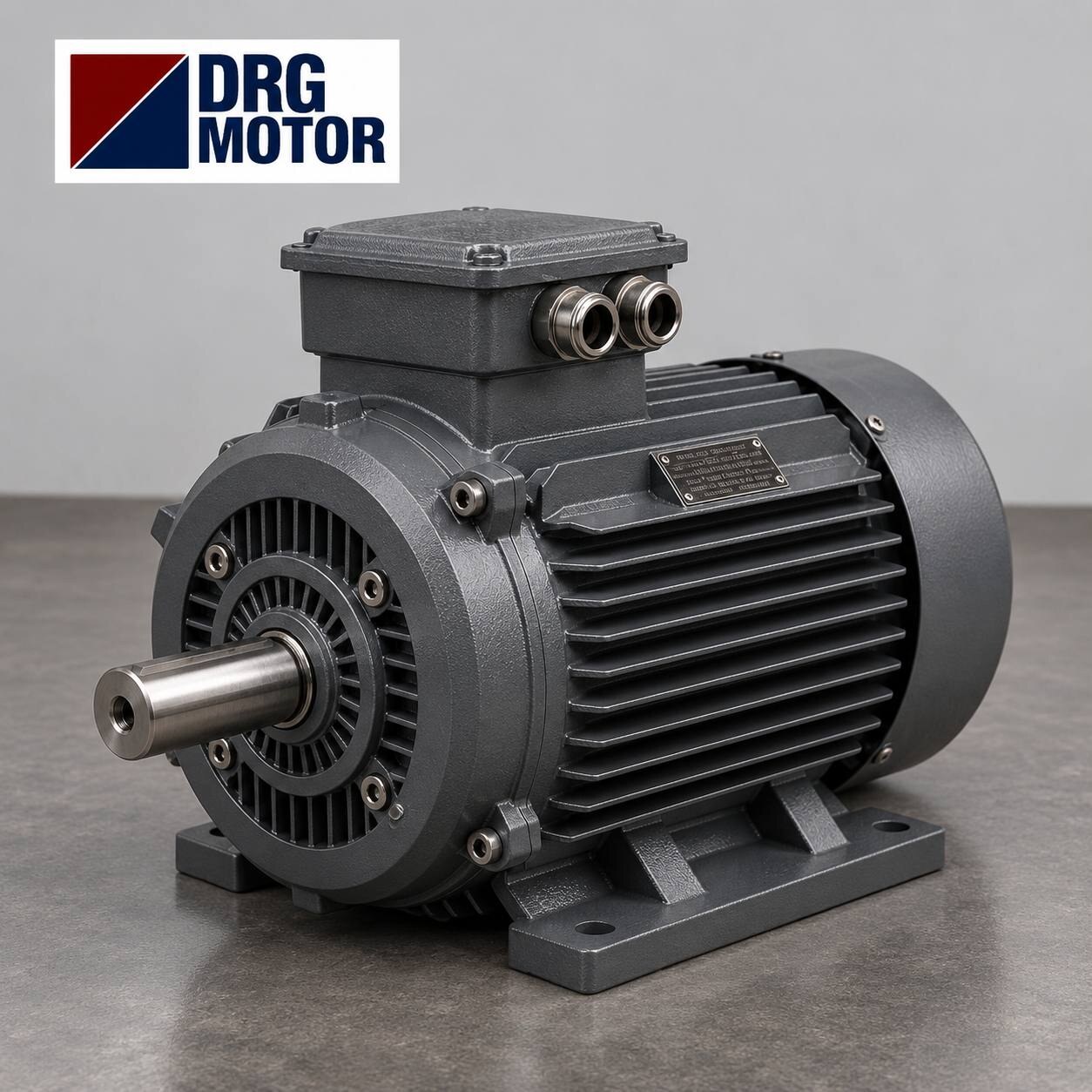

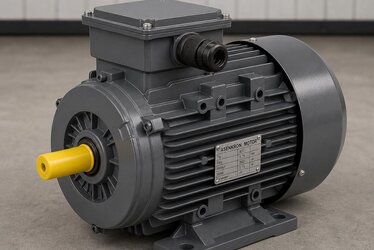
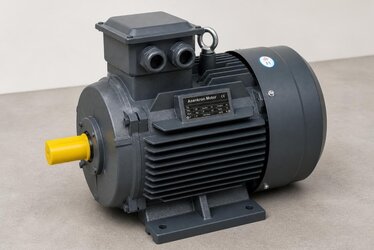
A high-efficiency AC electric motor is designed to convert alternating current into rotation while keeping losses to a minimum. Because most of the electricity a plant consumes passes through its motors, raising the efficiency class by one step delivers a lasting reduction in total energy cost. That is why, when choosing an AC motor, efficiency matters as much as the power itself.
How Efficiency Rises in an AC Motor
An AC motor's efficiency is set by copper loss in the winding, iron loss in the lamination stack, and friction and ventilation losses. More copper, low-loss steel and an optimised air gap reduce these losses. The IEC 60034-30-1 standard makes this performance measurable through the IE2, IE3 and IE4 classes.
How Energy Savings Reach the Operator
On a pump or fan that runs long hours each day, choosing IE3 or IE4 instead of IE2 lowers annual consumption. A few points of efficiency more than cover the first-cost gap over time on a continuously running motor, and the lower heating also extends winding life.
Choosing the Right Speed and Construction
On a 50 Hz supply, speed depends on pole count: 2-pole 3000, 4-pole 1500, 6-pole 1000 rpm. To gain the full benefit of an efficient motor, the speed must be matched to the application, with long life secured by Class F insulation and IP55 protection.
Selecting the Right Efficient AC Motor
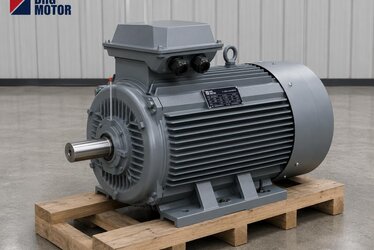
IE3 and IE4 AC motors from 0.55 to 355 kW at 400 V / 50 Hz are held with cast iron and aluminium frames and B3/B5/B14 mounting options. Share your operating hours and load profile, and we will settle on the efficiency class that maximises your energy savings together.