 English
 Le français
 Türkçe

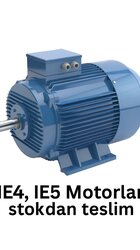

An efficient electric motor does the same mechanical work while drawing less electricity, and in a continuously running plant that difference outweighs the motor's purchase price within a few years. Efficiency classes make it possible to compare this property of motors on a standard scale.
How Are Efficiency Classes Defined?
IEC 60034-30-1 grades efficiency as IE1 Standard, IE2 High, IE3 Premium, IE4 Super Premium and IE5 Ultra Premium. As the class rises, losses in the motor fall, so less energy is drawn from the grid for the same power output.
Where Do the Losses Come From?
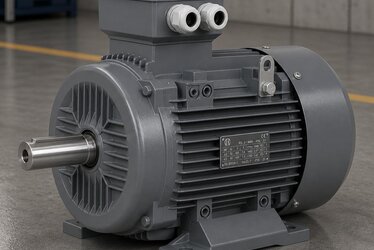
Most of the losses in a motor come from winding (copper) and core (iron) losses. Better silicon steel laminations, a larger copper cross-section and precise manufacturing reduce these losses; this is also the source of the extra material in efficient motors.
How Efficiency Reflects on Running Cost
Most of a motor's lifetime cost is its energy bill. Moving from IE2 to IE3, or from IE3 to IE4, creates visible annual savings on a motor that runs long hours each day and soon closes the price gap between classes.
Choosing an Efficient Motor with DRG
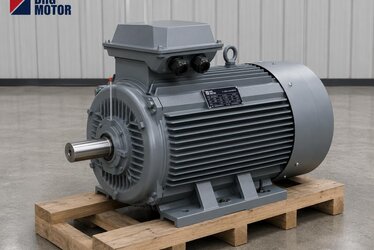
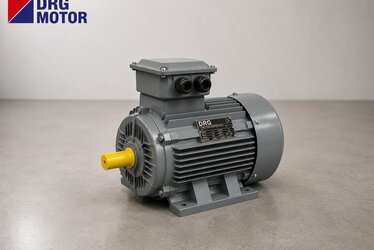
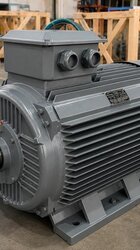
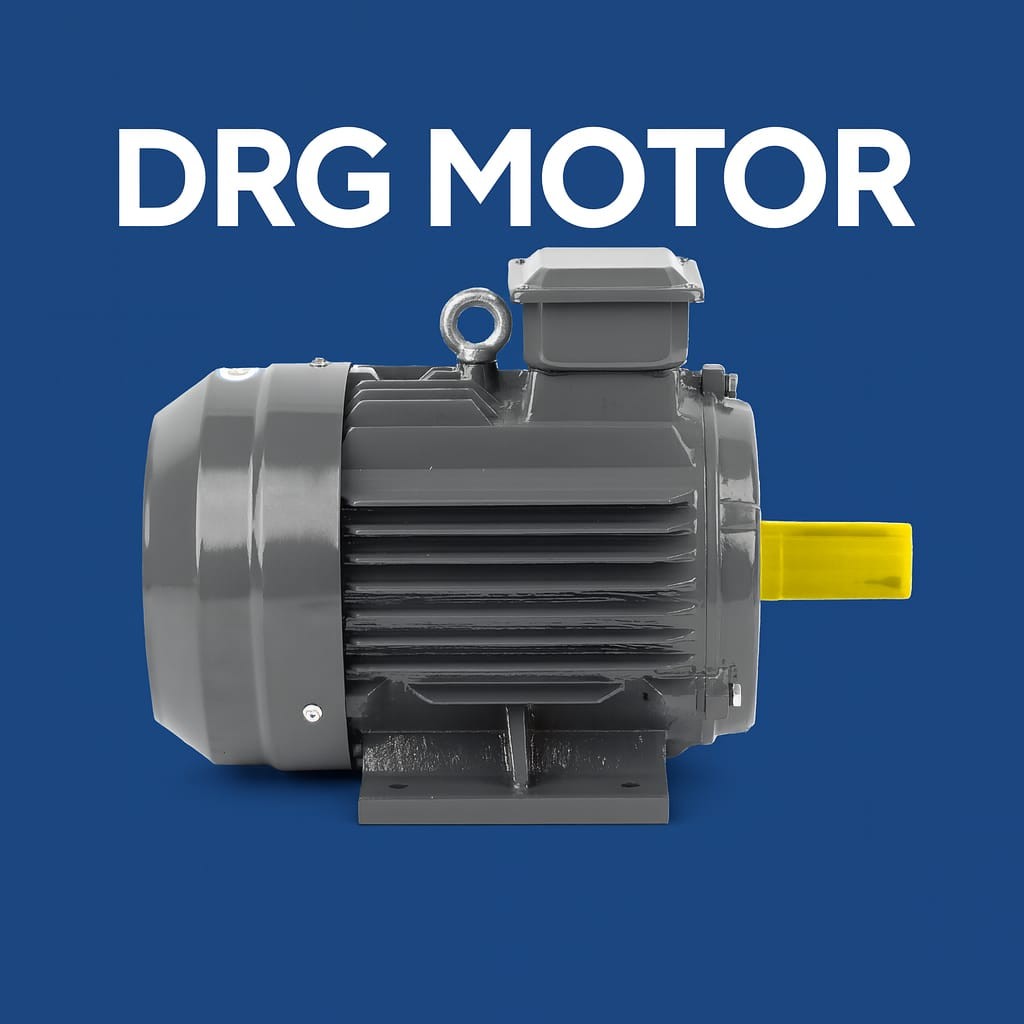
DRG Motor supplies motors from 0.55 to 355 kW in IE3 Premium and higher classes, with a cast iron housing, Class F insulation and IP55 protection. Contact our technical team to determine the efficiency class best suited to your plant's load profile.