 English
 Le français
 Türkçe

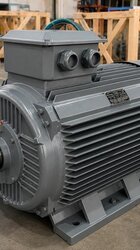
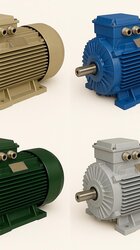
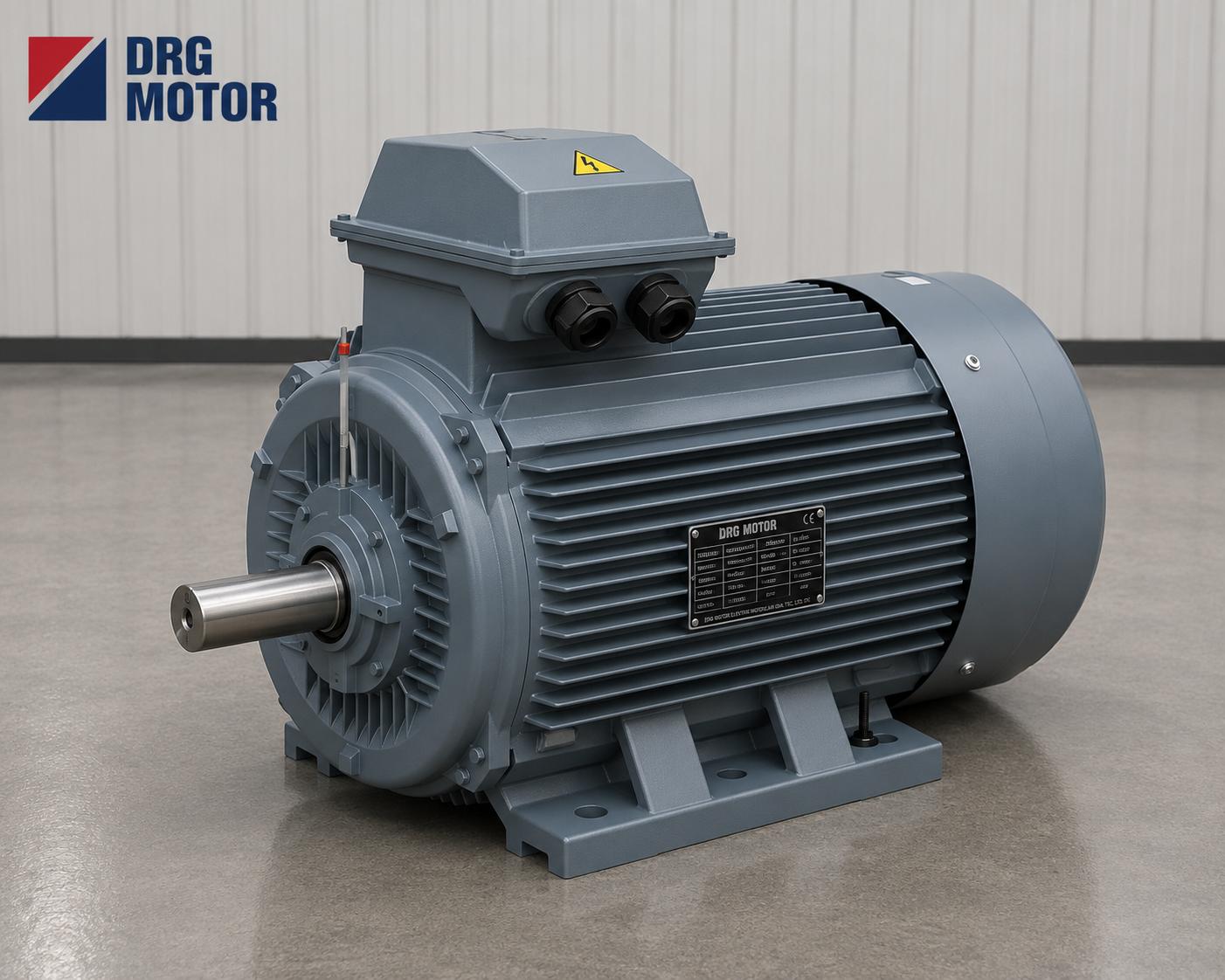

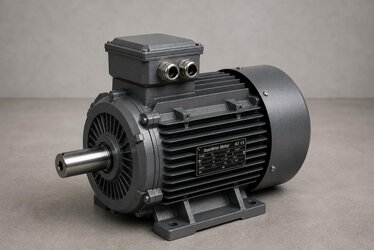
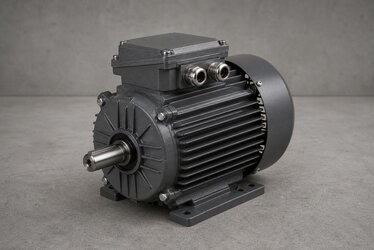
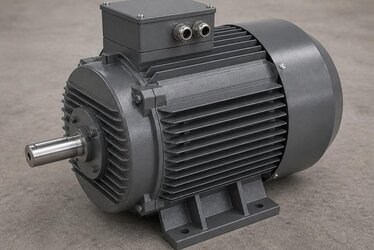
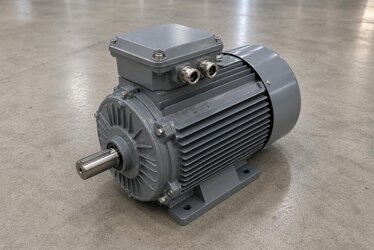
One of the workhorse power ratings in modern industry is the 22 kW class. From pumping stations and conveyor lines to air compressors, crushers and mixers, a 22 kW electric motor sits in a sweet spot where efficiency meets durability. At DRG Motor we are a supplier that keeps this rating in stock, ships quickly and helps you configure the unit for the job at hand. Our goal is simple: match the right motor to the right application and deliver a solution that runs without interruption on your floor.
What 22 kW means on the floor
22 kW corresponds to roughly 30 horsepower and comfortably handles the bulk of medium-to-heavy industrial loads on its own. In a 1500 rpm (4-pole) configuration it suits lines with high torque demand, while a 3000 rpm (2-pole) build serves high-flow pump and fan duties. Pole choice directly affects both motor life and your energy bill, so it should follow the real torque-speed profile of the application. The wrong speed selection leads either to an oversized motor running inefficiently at light load, or an undersized one that is constantly strained and overheating.
Where the 22 kW rating fits best
Because it is neither too small nor needlessly large, this rating is one of the most requested bands in industry. The applications we see most often include:
- Centrifugal and submersible pump stations, water boosting and wastewater lines
- Medium-capacity screw and piston air compressors
- Conveyors, elevators and belt handling systems
- Mixer, blender and agitator drives
- Crushers, grinders and granulation machines
- Fans, exhaust units and ventilation systems
What these duties share is a need for steady, reliable torque and resistance to long running hours. A correctly rated 22 kW motor can run for years in shift production with minimal maintenance. On continuously running lines such as pumps and compressors, long life is determined not only by power but by thermal behaviour and bearing selection. In our sourcing approach we evaluate the motor together with its duty type (S1 continuous, S3 intermittent and so on), not just its power figure, because two motors carrying the same 22 kW label can perform very differently across duty classes.
Speed, frame and mounting options
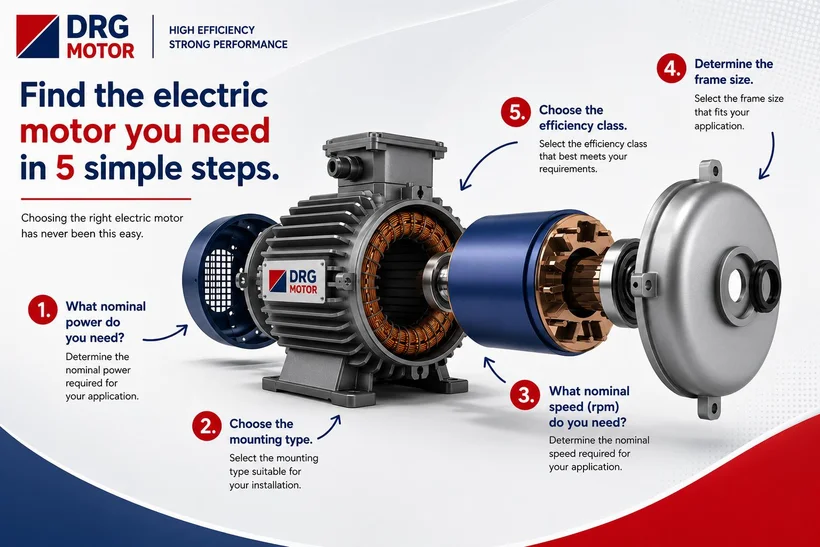
22 kW motors are typically built in 180 or 180M-200 frame sizes and can be supplied to IEC standards with foot (B3), flange (B5) or combined (B35) mounting. Clarifying the mounting type early, for example a flange for a pump coupling or a foot-flange combination for a conveyor gearbox, shortens installation time considerably. During sourcing we provide a recommendation that weighs speed, frame size and mounting together, so the motor that arrives on site fits your existing infrastructure exactly.
Efficiency class and energy cost
In higher-power motors, energy consumption creates a total cost of ownership that dwarfs the purchase price. In the 22 kW class, an IE3 premium efficiency level pays for itself within a few years in continuously running plants. IE3 motors operate with lower losses under load than IE2 and limit heat generation even at partial load. If you have a continuous or variable load profile, driving the motor with a frequency inverter gives you soft starting and meaningful energy savings at part load. The efficiency logic that applies to smaller ratings, such as a 7.5 kw 1500 devir motor selection, scales up and becomes even more pronounced at 22 kW.
Protection class and operating environment
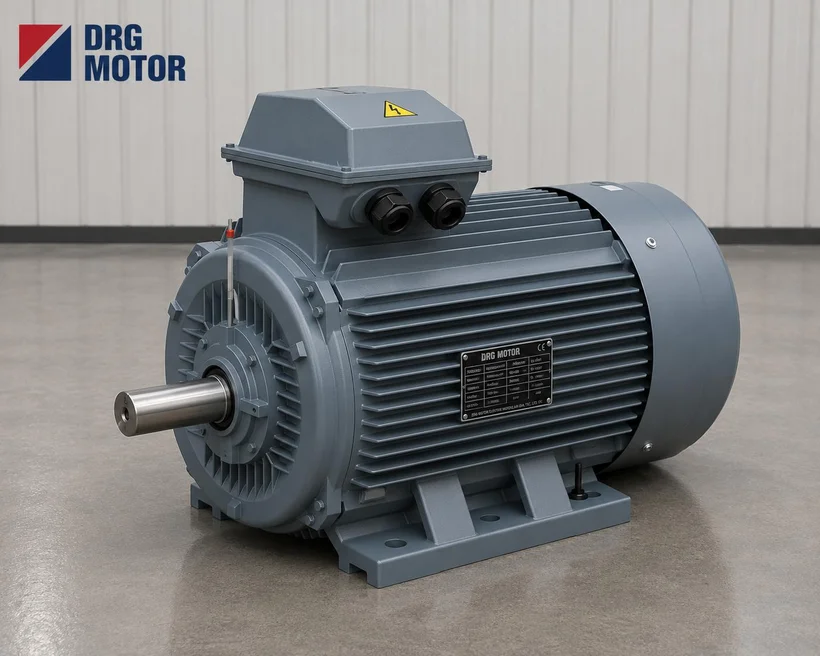
The environment the motor runs in directly determines the protection class. IP55 is adequate for standard industrial duty, but dusty foundry settings, outdoor stations or washdown food lines may call for higher ingress protection and a suitable insulation class. For lines running at elevated temperatures we recommend F-class insulation with B-class temperature rise; this combination extends winding life. When you share ambient temperature, altitude and humidity figures with us, we recommend the motor together with a derating calculation for those conditions, so you avoid unexpected overheating surprises on site.
Stock, delivery and quotation process
The 22 kW electric motor is one of the ratings we track in continuous stock. We keep the sourcing process short and transparent: when you share your application, speed and mounting type, running hours and protection needs, we prepare a quote quickly. We always give project-specific, current pricing rather than a fixed figure, because the net price varies with the current exchange rate, efficiency class, brand and accessory choices. We offer tiered advantages for dealer and wholesale orders and supply at every scale, from a single motor to a full fleet renewal. If you would like to experience our sourcing flow at a smaller rating first, the quotation process on our 5.5 kw trifaze motor page works just as fast for 22 kW.
Spare parts and technical support
A motor's value is not measured by the first delivery alone, but by the support behind it. In the 22 kW class we quickly supply spare parts such as bearings, terminal boxes, fans and fan covers, and we propose alternative configurations for projects that require a change in speed or mounting type. We stay in touch with your field team by phone or message on matters such as reading nameplate data, aligning couplings and recommending inverter parameters. We maintain the same support approach across our full three-phase asynchronous motors product family, so you can manage all of your power ratings through a single supplier.
Maintenance, monitoring and long life
Getting the expected lifespan out of a 22 kW motor starts with the right supply but continues with the right maintenance. Following periodic bearing regreasing intervals, checking terminal connections at set shift intervals and measuring winding insulation resistance prevent the bulk of unexpected stoppages. On critical lines running continuously, vibration and temperature monitoring sensors flag a fault before it develops, reducing unplanned production loss. During sourcing we also share maintenance intervals suited to your motor's operating profile and which parameters you should monitor. Our aim is not merely to sell a motor, but to ensure that motor runs efficiently in your plant for as long as possible.
Starting current and grid compatibility
Bringing a high-power motor such as 22 kW online with direct-on-line (DOL) starting draws an inrush current six to eight times the rated value. On weak or long supply lines this can cause voltage dips, blown fuses and disturbance to other equipment on the same panel. That is why, depending on the application, we recommend a star-delta starter, a soft starter or a frequency inverter. For variable-torque duties such as pumps and fans, an inverter both limits inrush and provides process control; for high-inertia loads such as conveyors and crushers, a correct ramp-up design extends the life of both the motor and the mechanical drivetrain. When you share your grid capacity and existing panel layout with us, we determine together which starting method is the best fit in terms of cost and performance.
Comparing 22 kW with neighbouring ratings
Some projects hesitate between 18.5 kW and 30 kW. The deciding factor here is whether the motor is strained at peak load rather than at average load. If your application occasionally sees high torque peaks, 22 kW offers a safe middle ground; for a line running continuously at full load, the margin has to be calculated correctly. Oversizing means a poor power factor and inefficiency, while undersizing means premature wear. We model this decision with your application data, recommending the most appropriate rating without spending money on unnecessary capacity or putting the motor at risk. This approach is the foundation of our sourcing philosophy across all power classes, small and large.
Let's make the right call together
Chosen correctly, 22 kW becomes the quiet but powerful workforce of your plant. Once you clarify the torque profile, speed requirement, operating environment and grid conditions of your application, we deliver a motor that is both technically right and budget-appropriate in the shortest possible time. Share the details of your project with us, and our team will come back with a tailored quote covering the suitable speed, frame size, efficiency class, protection class and mounting type. Whether you are planning a single motor or a bulk renewal, we stand by you with the same care and the same after-sales support. The right motor is the first step toward years of uninterrupted production, so reach out to us today to take that step on solid footing.