 English
 Le français
 Türkçe
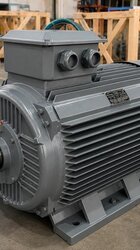
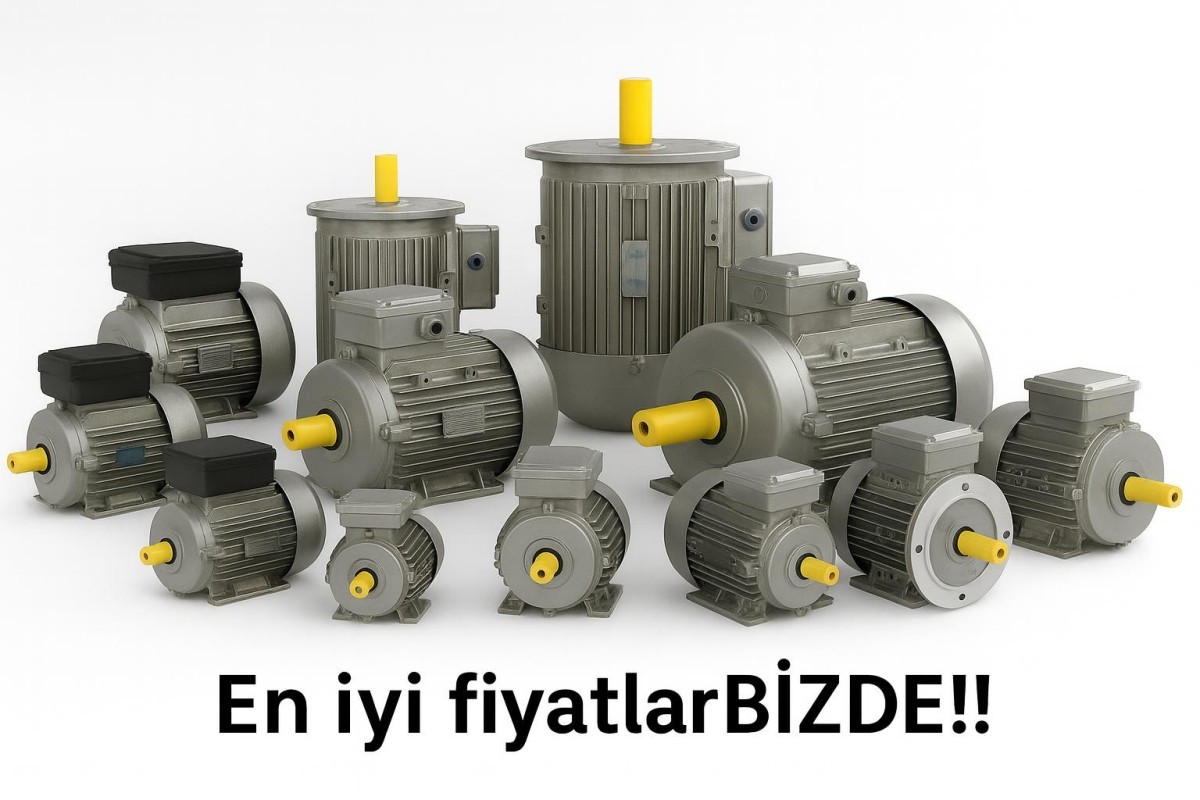

Electric motors are divided into different types according to the kind of current that feeds them, their operating principle and their rotor construction. To choose the right motor for an application you need to know the differences between these types and the strengths and weaknesses of each. At the broadest level, motors fall into two families: AC and DC.
AC and DC Motors
DC motors run on direct current and offer easy speed control, but they require brush and commutator maintenance. AC motors run on alternating current and are more rugged and easier to maintain. The most widely used type in industry is the asynchronous (induction) motor from the AC family.
Asynchronous (Induction) Motors
In an induction motor the rotor turns with a small slip behind the rotating field produced by the stator. The squirrel-cage rotor type is the most durable and most common; the three-phase version creates a self-starting rotating field through windings placed 120 degrees apart in the stator.
Synchronous and Other Types
Synchronous motors turn the rotor at a speed exactly locked to the grid frequency and are used where precise speed is required. Permanent magnet synchronous motors (PMSM) offer high efficiency; brushless DC (BLDC) and stepper motors also feature in automation.
Choosing the Right Motor Type
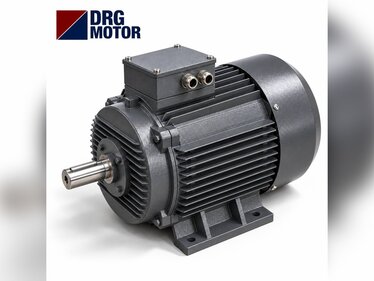
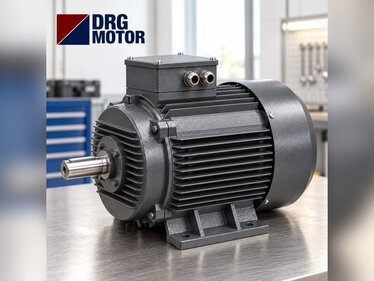
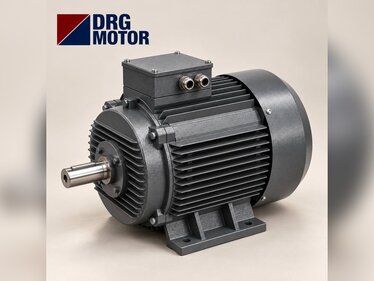
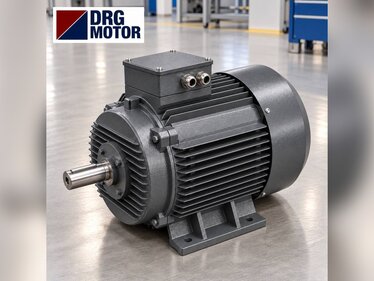
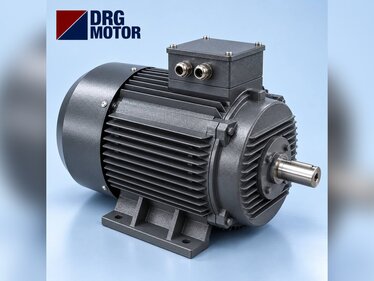
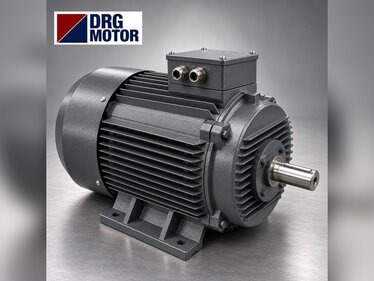
For most industrial pump, fan, conveyor and crusher duties, the three-phase induction motor is the right choice. DRG Motor supplies three-phase induction motors from 0.55 to 355 kW in 2-, 4- and 6-pole versions and IE3/IE4 efficiency classes for the 400 V / 50 Hz supply.
DRG Electric Motors Suited to This Topic
The models below are available in the DRG Motor online shop. Click a model code to see its technical data, dimensions and current price, and order right away.
- DRG-90L-4 – 1.5 kW – 1445 rpm – aluminium frame
- DRG-100L2-4 – 3 kW – 1450 rpm – aluminium frame
- DRG-160M-4 – 11 kW – 1465 rpm – cast iron frame
- DRG-180L-4 – 22 kW – 1470 rpm – cast iron frame
Click to see current prices of all electric motors and order nowSEE PRICES →