English
 Le français
 Türkçe

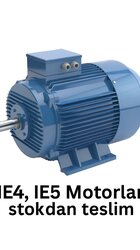
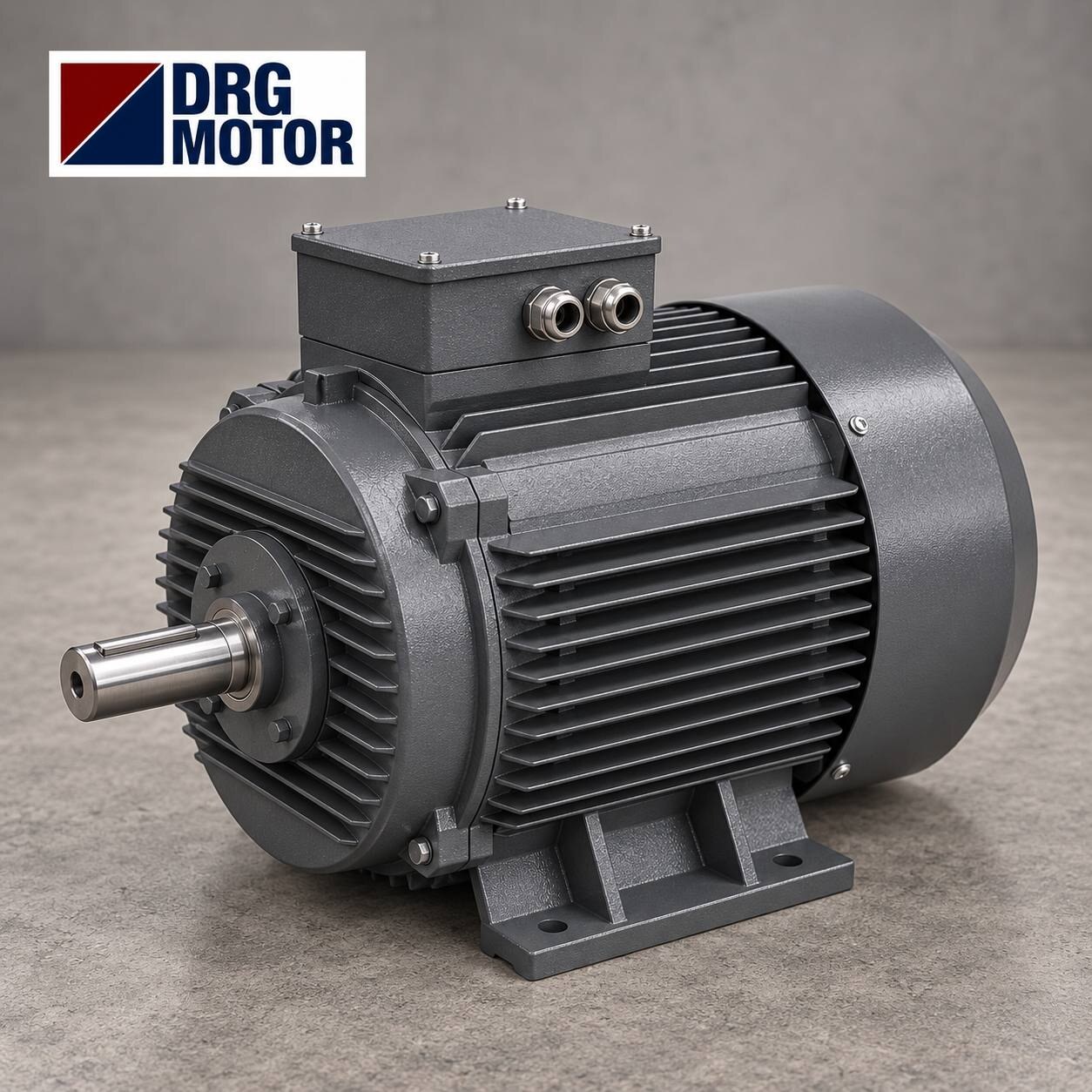

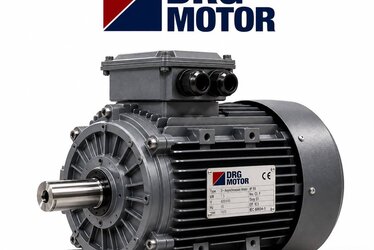
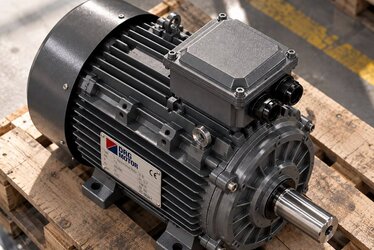
Hunting for the "cheapest electric motor" is often misleading, because a motor's real cost is the electricity it consumes over its life, not its price tag. A motor bought at the lowest figure can give back that saving many times over in its first year through poor efficiency. This article looks at how to choose the right motor at a fair price.
The Hidden Cost of a Cheap Motor
A low-priced IE1 Standard motor loses more energy every hour than its IE3 Premium counterpart. In a system running 8–16 hours a day, that loss becomes a visible line in the annual bill. The word "cheap" should be judged by five-year total cost, not by the moment of purchase.
Choices That Truly Lower the Budget
Selecting the correct power for the application is the first step in saving; an oversized motor is both costly and inefficient. The right pole count (2/4/6) and, where suitable, an aluminium frame deliver sensible savings in light applications that do not need heavy cast iron.
Balancing Price and Durability
Sacrificing IP protection or insulation for the lowest price leads to early failure and downtime cost. IP55 protection with Class F insulation offers a reasonable price-to-durability balance for most industrial settings.
Choosing the Right Motor at a Fair Price
As an İzmir-based supplier, DRG Motor eliminates needless cost from the start with motors that fit the need exactly across 0.55–355 kW. Contact us for a quote aimed not at the lowest figure but at the lowest total cost for your operation.