 English
 Le français
 Türkçe

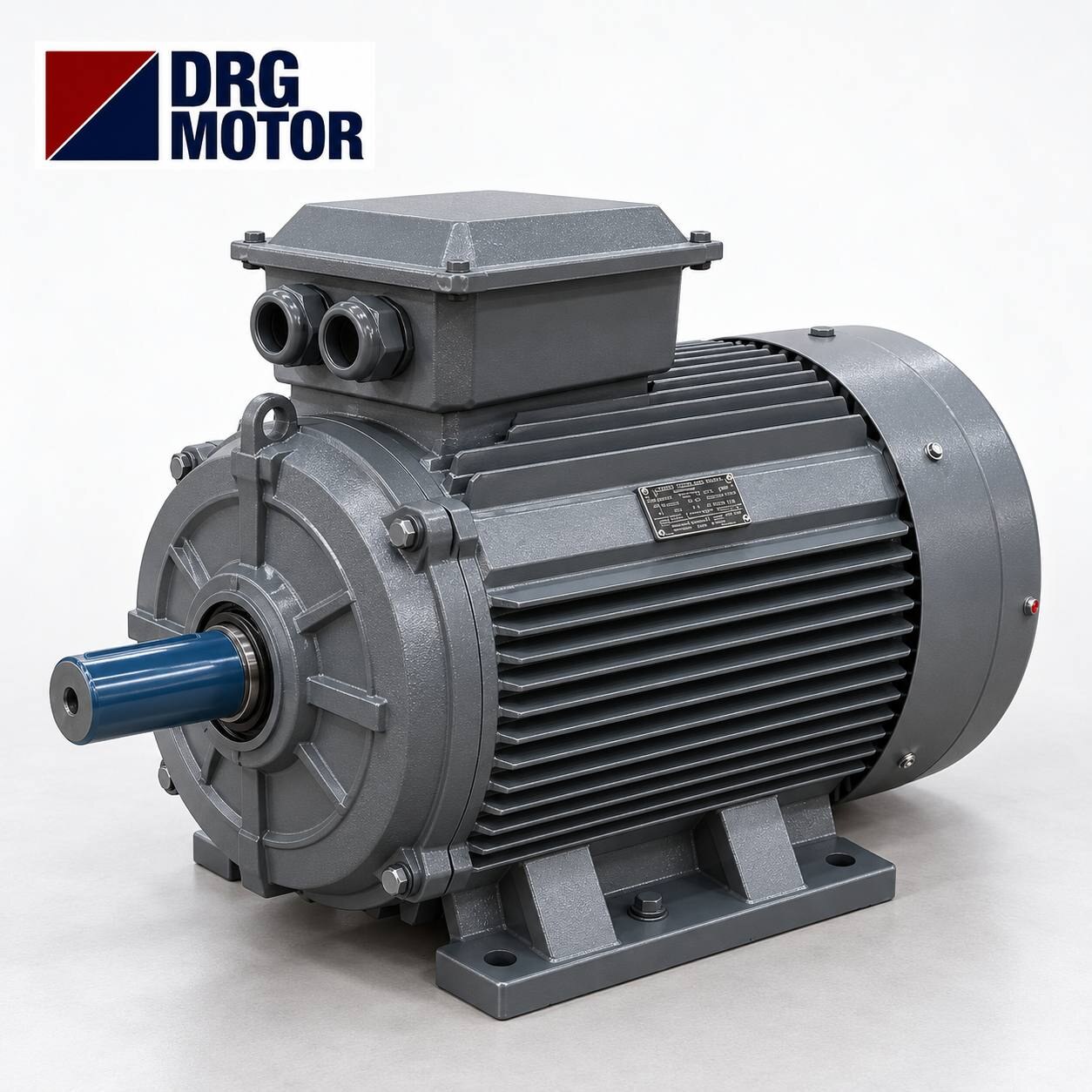

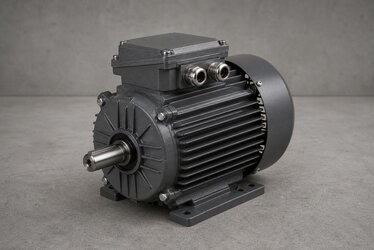
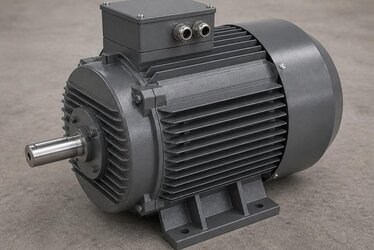
A single-phase electric motor is fed from a 230 V single-phase supply and provides low-power drive where three-phase mains are not available. It is common in workshops, agricultural irrigation, small pumps, compressors and domestic machinery; unlike a three-phase motor, it needs an auxiliary starting arrangement to run.
The Single-Phase Starting Problem
A single alternating-current phase cannot create a rotating magnetic field on its own, so the motor produces no starting torque. To solve this, an auxiliary winding and a series-connected start capacitor are used. The capacitor shifts the phase of the auxiliary-winding current, generating the starting torque that sets the rotor in motion.
Capacitor Configurations
Capacitor-start (CSIR) motors offer high starting torque and disconnect the circuit with a centrifugal switch. Permanent-split-capacitor (PSC) motors run quietly and smoothly and are preferred for fans and pumps with low starting-torque demand. The two-capacitor type combines both advantages.
Power and Application Limits
Single-phase motors are usually built in the low-power range, typically 0.18–3 kW; at higher ratings three-phase motors are superior in efficiency and cost. The most common speeds are 2-pole 3000 rpm and 4-pole 1500 rpm. Correct capacitor sizing is decisive for the motor's life and efficiency.
Choosing the Right Single-Phase Motor
Single-phase and three-phase options for domestic and small-scale use ship from the Izmir warehouse. Tell us the power, speed, mounting (B3 foot / B14 face) and starting-torque needs of your machine, and we will determine the most suitable motor and capacitor configuration together.