 English
 Le français
 Türkçe

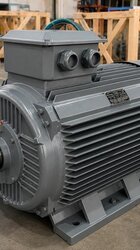
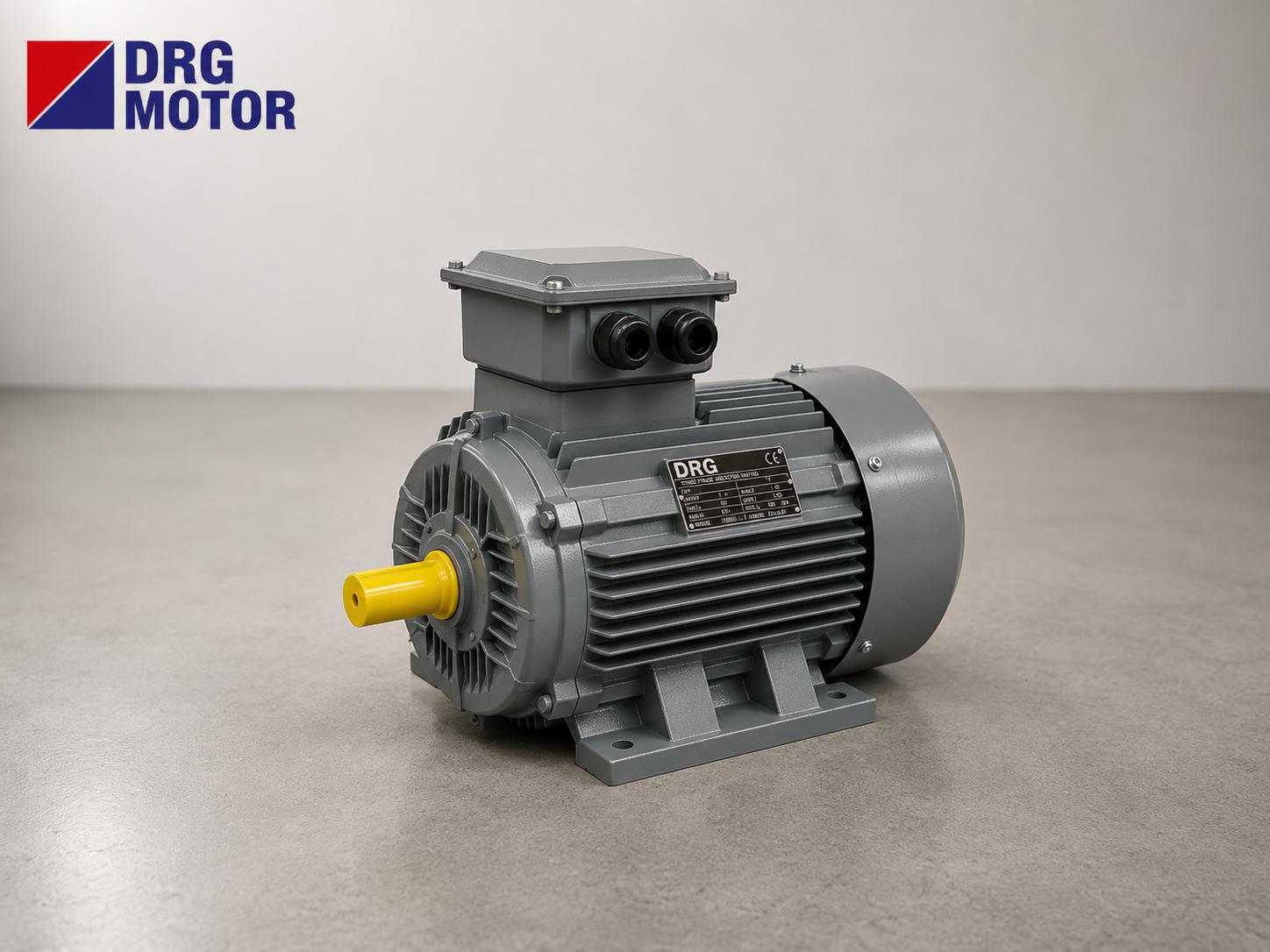

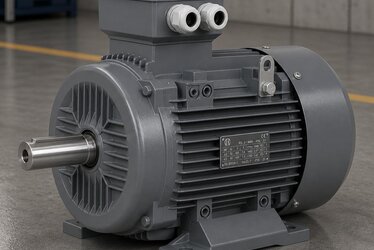
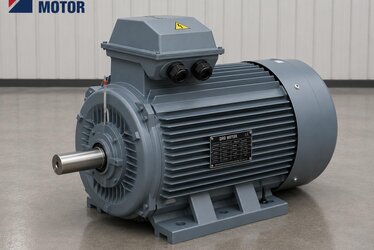
On a line that runs around the clock, a motor is not just one component on the bill of materials; it is the heartbeat of the whole operation. Whether it drives a conveyor, a pump, a fan or an extruder, an asset that runs all day at full load demands a completely different sourcing discipline. This is where the S1 continuous duty rating becomes central, and choosing the right continuous duty motor turns into a decision that lasts as long as the line itself. At DRG Motor we work with plants every day on exactly this challenge, and in this article we explain why S1 motor supply is so critical, which factors shape the real cost, and how a supply plan that protects uninterrupted production is built.
Why S1 Duty Is Not Negotiable on a Continuous Line
Under IEC standards, S1 describes a motor running continuously under a constant load until it reaches thermal equilibrium and beyond. A machine that operates intermittently lets the motor cool between cycles, but a continuous line offers no such relief. The windings, bearings and frame carry the same thermal load hour after hour. Fitting a motor intended for a lighter application onto a continuous line is like starting a hidden failure clock: it may run without complaint for the first months, but because the winding temperature sits near the limit, the insulation ages rapidly and the breakdown usually arrives during peak production.
A common mistake here is selecting a motor on power rating alone. Two motors with the same kilowatt figure can belong to completely different duty classes. If a nameplate reads S2, S3 or S6, that motor was designed to run for set periods and then rest; placed on a continuous line, it works below its nominal values and wears quickly. Settling this distinction up front, at the sourcing stage, removes most of the unexpected stoppages a plant would otherwise face later. At DRG Motor we always ask about the line's duty cycle before supply and confirm together whether the nameplate values truly fit the application, rather than assuming they do.
The True Cost of a Stoppage Dwarfs the Motor Price
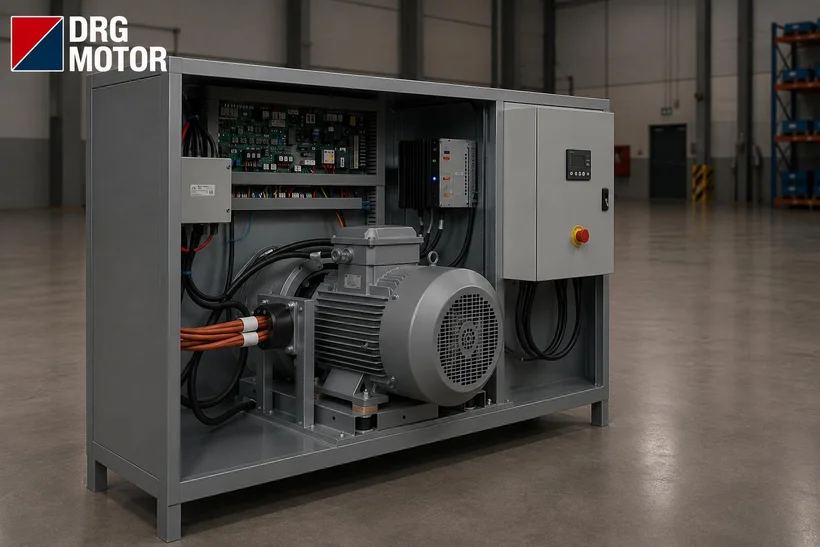
On a continuously running line, a motor failure is never just a spare-part expense. A stopped line means lost output, delayed shipments, contractual penalties and, in some processes, half-finished product that has to be scrapped. In sectors such as food, chemicals or textiles, a single unplanned hour of downtime can cost many times the price of the motor itself. Once this arithmetic is clear, motor supply stops being a purchasing line item and becomes a risk-management decision. Sourcing the right motor correctly once is always more economical than a cheap-looking solution that brings the line down.
There is also a hidden side to downtime. When an unplanned failure hits, the maintenance team drops its other work and rushes in, overtime often kicks in at night or over the weekend, and a spare found in a panic is bolted on in haste without truly matching the requirement. That quick fix tends to invite a second failure soon after. When continuous-line motor supply is instead arranged in advance, with a clear head and the right criteria, the whole chain is broken. Compare the cost of a panicked night call-out with that of a planned supply, and for most operations the gap is surprisingly wide.
What Sets a Continuous Duty Motor Apart
The qualities that matter under continuous duty go well beyond nameplate power. During sourcing, these characteristics come to the front:
- A high insulation class with adequate temperature reserve so the winding keeps its thermal life
- A preference for low-loss, well-cooled high-efficiency motors that stay controlled under constant load
- Long-life bearings and a mechanical design that keeps vibration low at sustained speed
- A protection class (IP) suited to the working environment, with proper cooling where needed
- A winding design that withstands harmonics and voltage stress when driven by a frequency inverter
When these come together, the motor becomes a quiet workforce that keeps pace with the line. A compromised selection, by contrast, leaves a component that tires a little more with every shift.
On a Continuous Line, Efficiency Is Direct Profit
If a motor turns twenty-four hours a day, a difference of a few efficiency points adds up to a serious energy bill by year end. Choosing a high-efficiency class for continuously running equipment usually pays back the initial price premium within a few seasons and then stays as pure profit afterwards. That is why supply for a continuous line should look not only at the purchase price but at the energy the motor will consume over its working life. At DRG Motor we walk through this total cost of ownership view together at the quotation stage.
Efficiency carries another, less-discussed reward: heat. A more efficient motor produces fewer losses for the same work and therefore runs cooler. On a continuous line that means a wider thermal reserve for the winding, slower ageing of the bearing grease and, overall, a longer stretch of failure-free running. So raising the efficiency class lowers the energy bill and indirectly improves the line's reliability at the same time. Because it delivers both gains together, efficiency is one of the easiest items to invest in for continuous-duty applications. When we prepare your quote we put both effects in front of you in figures, so your decision rests on a clear calculation rather than a guess.
A Spare-Motor Strategy: Insurance That Keeps the Line Standing
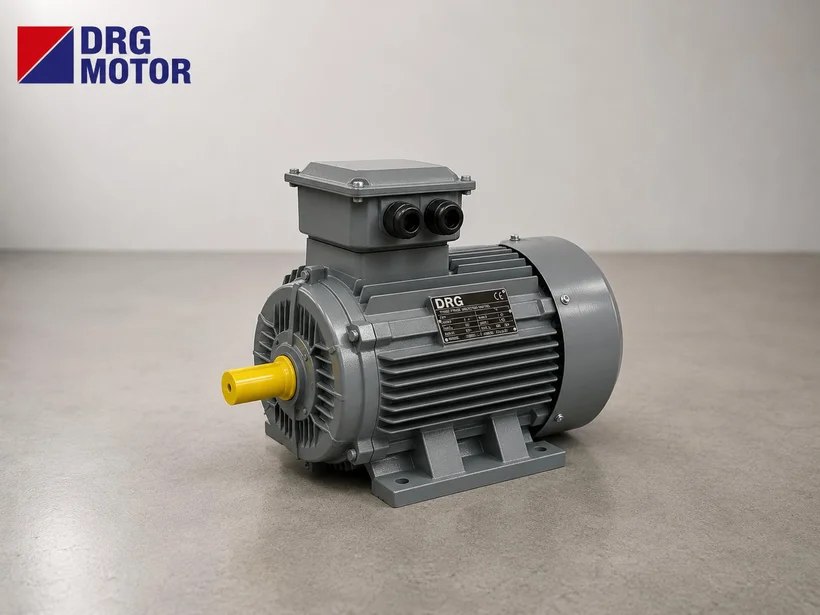
On critical continuous lines, the soundest approach is not to wait for failure but to prepare for it. Keeping an equivalent spare for critical motors on site, or within a fast supply plan, turns downtime measured in hours into downtime measured in minutes. Sometimes a new motor is the answer and sometimes an overhaul of existing equipment makes more sense; to weigh the two it helps to look at the motor yenileme decision purely on cost. DRG Motor builds a backup plan for your critical motors and clarifies lead times in advance, making this risk manageable.
Sector Load Profiles Shape the Supply
No two continuous lines are alike. A pump that simply runs nonstop and a line that runs continuously but under fluctuating load ask different things of the motor. For instance, a hot and dusty environment that calls for constant fine-tuning, typical of a tekstil motoru requirement, differs from a water-booster station in terms of heat, protection class and speed control. Correct supply therefore begins with understanding the line's real load profile. Choosing the motor that fits the application, instead of forcing a standard catalogue item, lifts both lifespan and efficiency.
A Transparent Quote Built on the Right Factors, Not a Flat Price
Giving a single list price for continuous-line motor supply would not be realistic; the right figure is the resultant of several factors. Power and speed, efficiency class, protection and mounting type, whether the motor runs on an inverter, ambient conditions, the number of spares required and the delivery time all set the price together. So the way we work at DRG Motor is clear: we listen to your need, build a solution that matches the real conditions of the line, and present a transparent, itemized quote. That way you know why every line of the offer is there.
Let Us Move Forward Without Stopping Your Line
A continuously running line is the least forgiving point in production, and the right motor supply is your strongest safeguard there. Whether you are commissioning a new line or want to back up your existing critical motors, let us assess your load profile together and define the S1 solution that fits you best. Reach out to the DRG Motor team, share your requirements, and we will prepare a transparent supply quote that protects your uninterrupted production.