 English
 Le français
 Türkçe

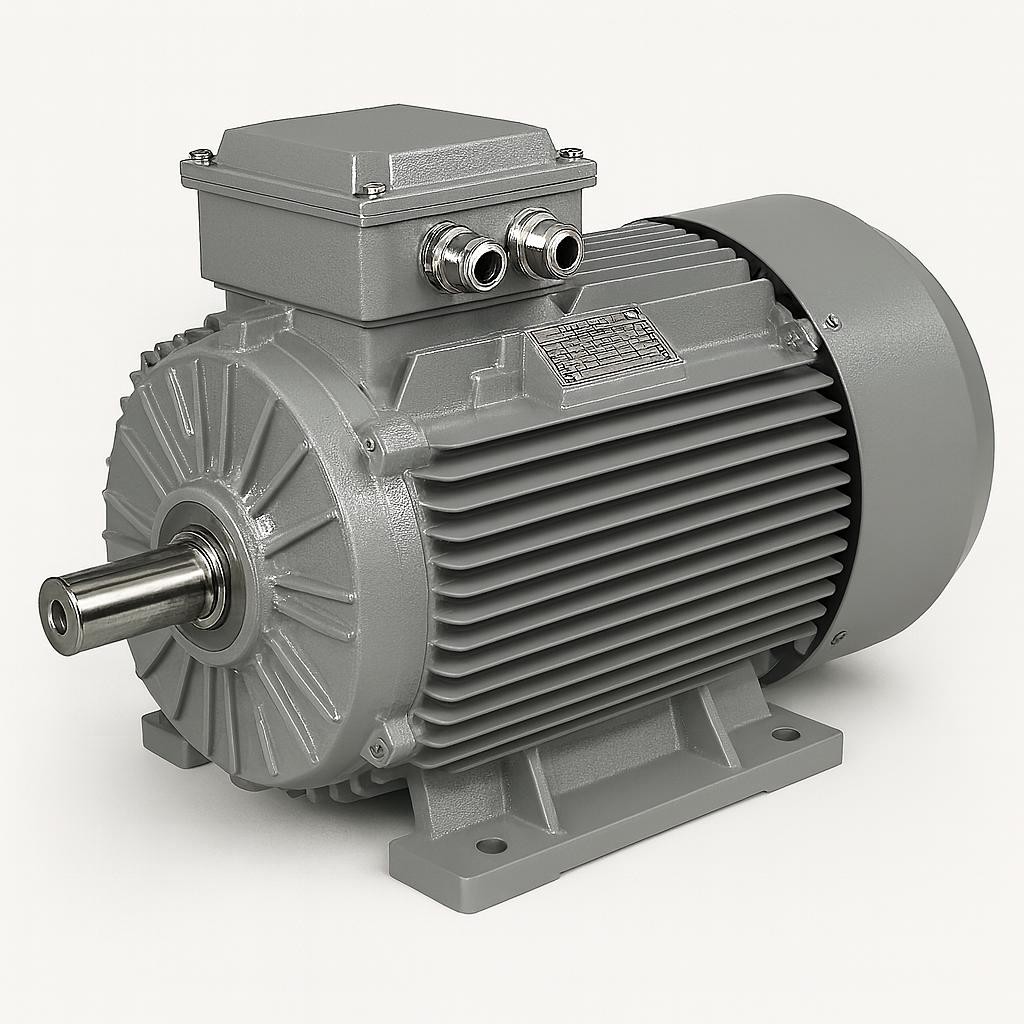

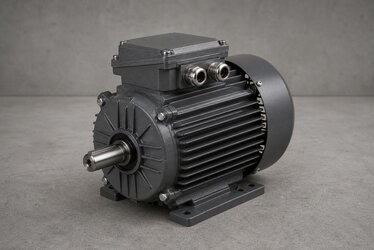
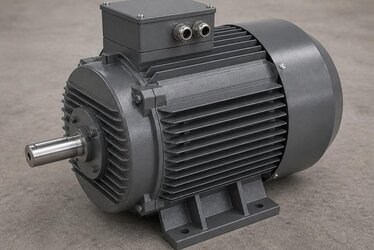
Three-phase electric motors run on the rotating magnetic field created by three-phase alternating current and are the most common motor type in industry. New-generation designs do the same work with less energy thanks to lower-loss materials and drive-ready windings. This article covers how three-phase motors operate and what current designs bring.
How a Three-Phase Motor Works
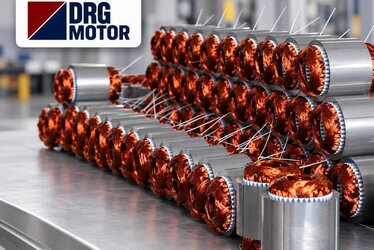
Three winding groups set 120 degrees apart in the stator produce a rotating magnetic field when fed with three-phase current. That field induces current in the squirrel-cage rotor and sets it turning; needing no extra starting winding is the key advantage of three-phase motors over single-phase ones.
Speed and Pole Count
On a 50 Hz supply, synchronous speed follows the pole count: 2 poles give 3000 rpm, 4 poles 1500 rpm, and 6 poles 1000 rpm. New-generation motors adjust these speeds variably through a frequency drive, adding savings in pump and fan applications.
Efficiency and New-Generation Materials
Current three-phase motors are built in the IE3 Premium and IE4 Super Premium classes under IEC 60034-30-1. Low-loss laminations and an optimised air gap reduce heating, while Class F insulation and IP55 protection support long life.
Choosing the Right Three-Phase Motor
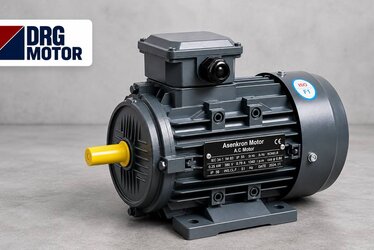
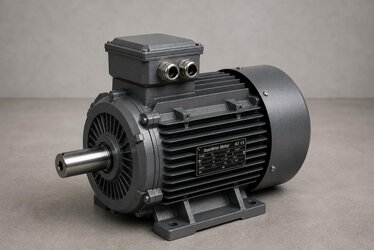
As an İzmir-based supplier, DRG Motor offers new-generation three-phase motors from 0.55 to 355 kW with B3, B5, and B14 mounting options. Tell us the power and speed your application needs, and we will settle on the right motor together.