English
 Le français
 Türkçe

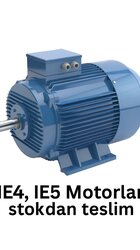
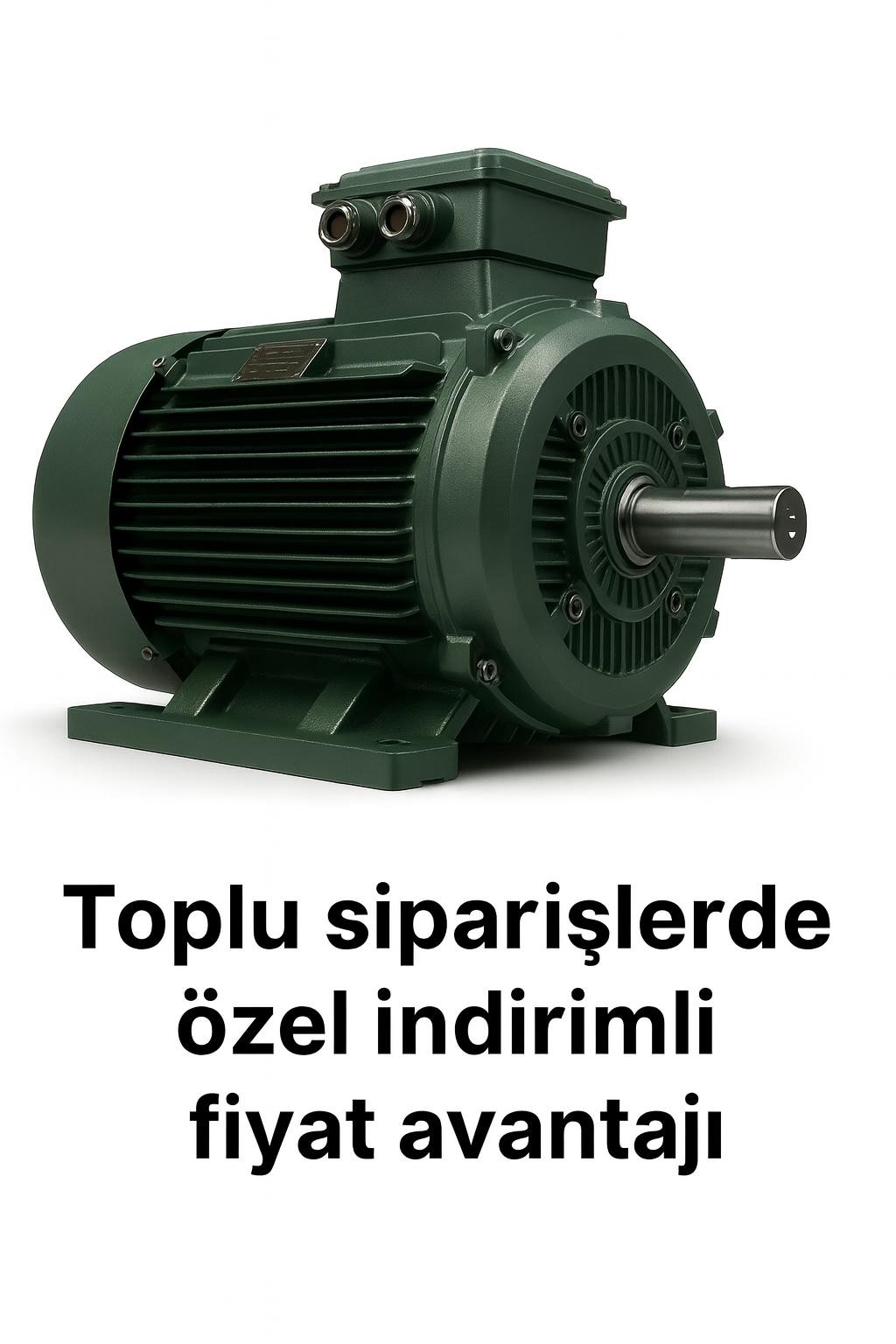

The real cost of an electric motor goes far beyond the price on the label. Most of the lifetime cost is made up of energy consumption and maintenance expense, so a low-maintenance motor is more economical in the long run even if it is slightly more expensive at the outset.
What Drives Maintenance Cost
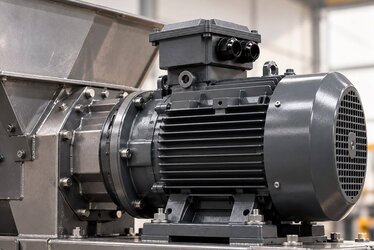
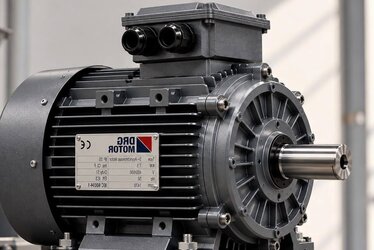
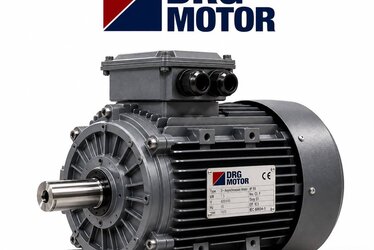
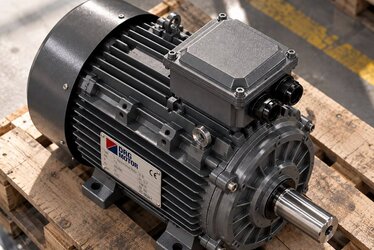
Asynchronous motors have few wearing parts; there are no brushes or commutator, so periodic part replacement is largely limited to the bearings. A re-greasable bearing design allows the motor to be serviced on site without dismantling.
How Design Affects the Service Interval
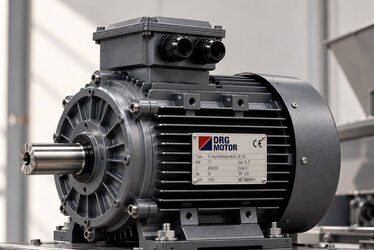
A large-surface cast iron housing and a correctly sized fan keep the winding temperature low, extending the life of the insulation and the bearing grease. Class F insulation and IP55 protection reduce the frequency of faults in dusty and damp environments.
Total Cost of Ownership
The energy a motor consumes over its life far exceeds its purchase price. The IE3 Premium efficiency class delivers low energy expense and a rugged mechanical design delivers low maintenance expense; together they pull down the total cost of ownership.
Choosing a Low-Maintenance DRG Motor
DRG Motor supplies motors from 0.55 to 355 kW with re-greasable bearings, a cast iron housing and IP55 protection for long service intervals. Consult our technical team for the lowest-maintenance configuration for your plant's load profile.