 English
 Le français
 Türkçe

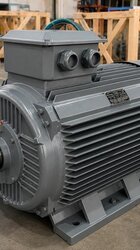
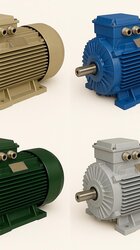
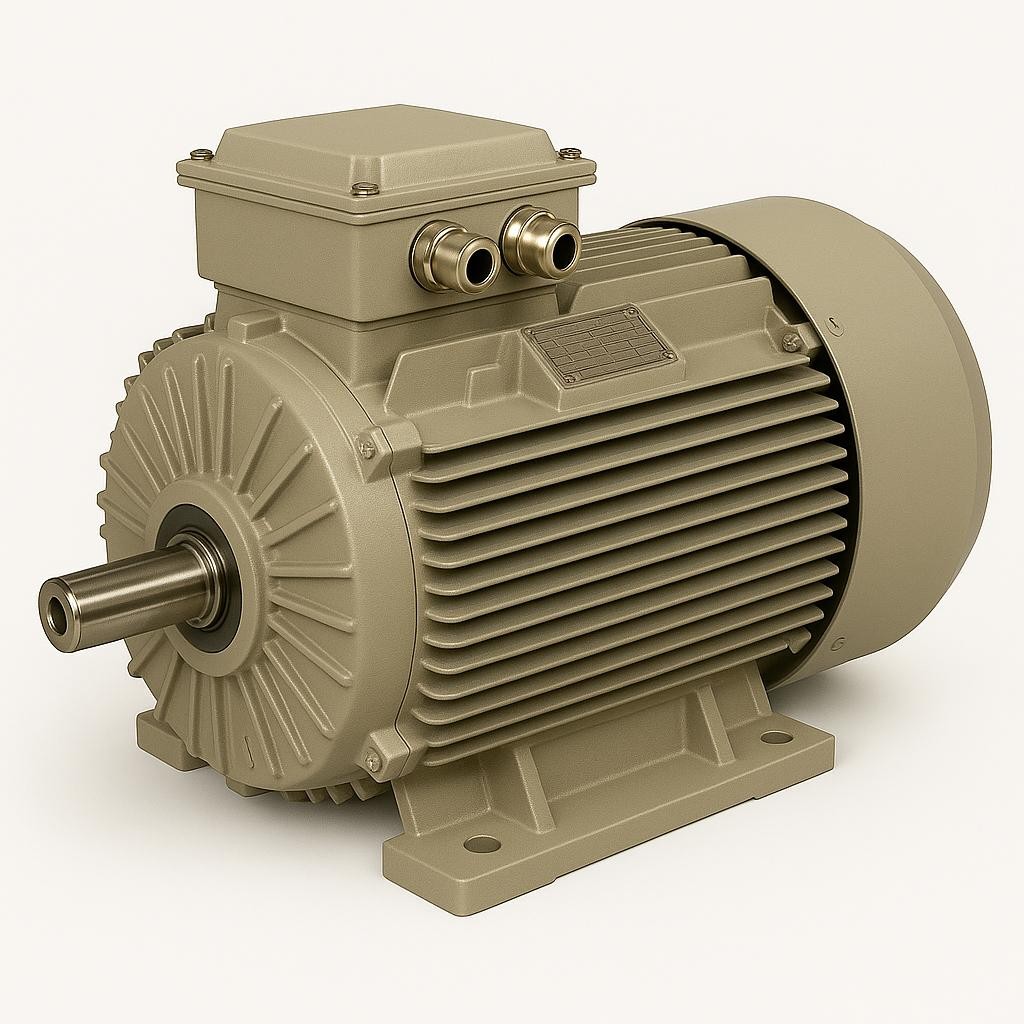

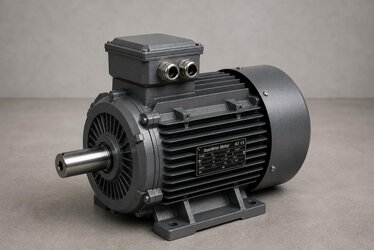
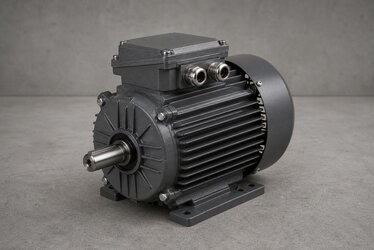
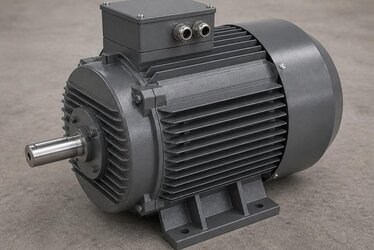
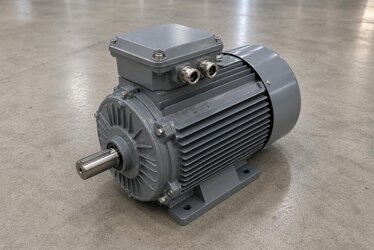
Single-phase AC electric motors run from a 230 V line in workshops, farms and commercial settings where a three-phase supply is unavailable. An auxiliary winding and capacitor placed alongside the main winding give the motor the rotating field it needs to start; when properly designed, these motors serve reliably for years.
How Does a Single-Phase Motor Start?
A single winding cannot produce a rotating magnetic field on its own. An auxiliary winding shifted by 90 degrees and a capacitor handle starting; once the rotor turns, a centrifugal switch cuts out the start capacitor and the motor runs on its run capacitor.
What Determines Durability
Long life depends on bearing quality, winding insulation and housing cooling. Class F insulation tolerates higher temperatures, and IP55 protection seals the winding against dust and moisture. Quality bearings and a balanced rotor reduce vibration and delay mechanical wear.
Where Are They Used?
Booster and submersible pumps, compressors, air fans, agricultural irrigation and small benches are typical single-phase applications. They are commonly chosen in the 0.55–3 kW range, in 2 or 4-pole versions (3000 or 1500 rpm).
Choosing the Right Single-Phase Motor
As an İzmir-based supplier, DRG Motor delivers the right motor for single-phase applications by power, speed and mounting type (B3 foot, B14 face). For a pump in continuous service, picking a sturdy S1-rated model ensures years of dependable operation.