 English
 Le français
 Türkçe

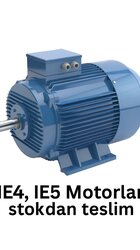

The price of an electric motor cannot be reduced to a single list figure. As power moves from low kW to high kW, the amount of material, the labour of manufacturing and the efficiency class all change, and price follows along this axis. Building the right budget means understanding the factors that set it.
How Power Affects Price
Low kW motors use less copper winding, less laminated steel and a lighter frame, so their entry prices are more affordable. As power rises, the rotor-stator size, bearing dimensions and cooling needs grow, so cost increases noticeably in high kW models.
Efficiency Class and Frame Material
At the same power, an IE3 motor is usually more economical than its IE4 or IE5 counterpart because it uses less copper and standard steel; yet a higher efficiency class lowers running cost. A cast iron frame is heavier in material than aluminium and more durable for heavy duty.
Speed, Mounting and Total Cost of Ownership
Pole count (2/4/6 poles), B3/B5/B14 mounting type and IP protection level also affect price. Beyond the purchase figure, accounting for the energy a motor consumes over its life reveals the real cost, especially in continuous (S1) duty applications.
For a Current Quote, DRG Motor
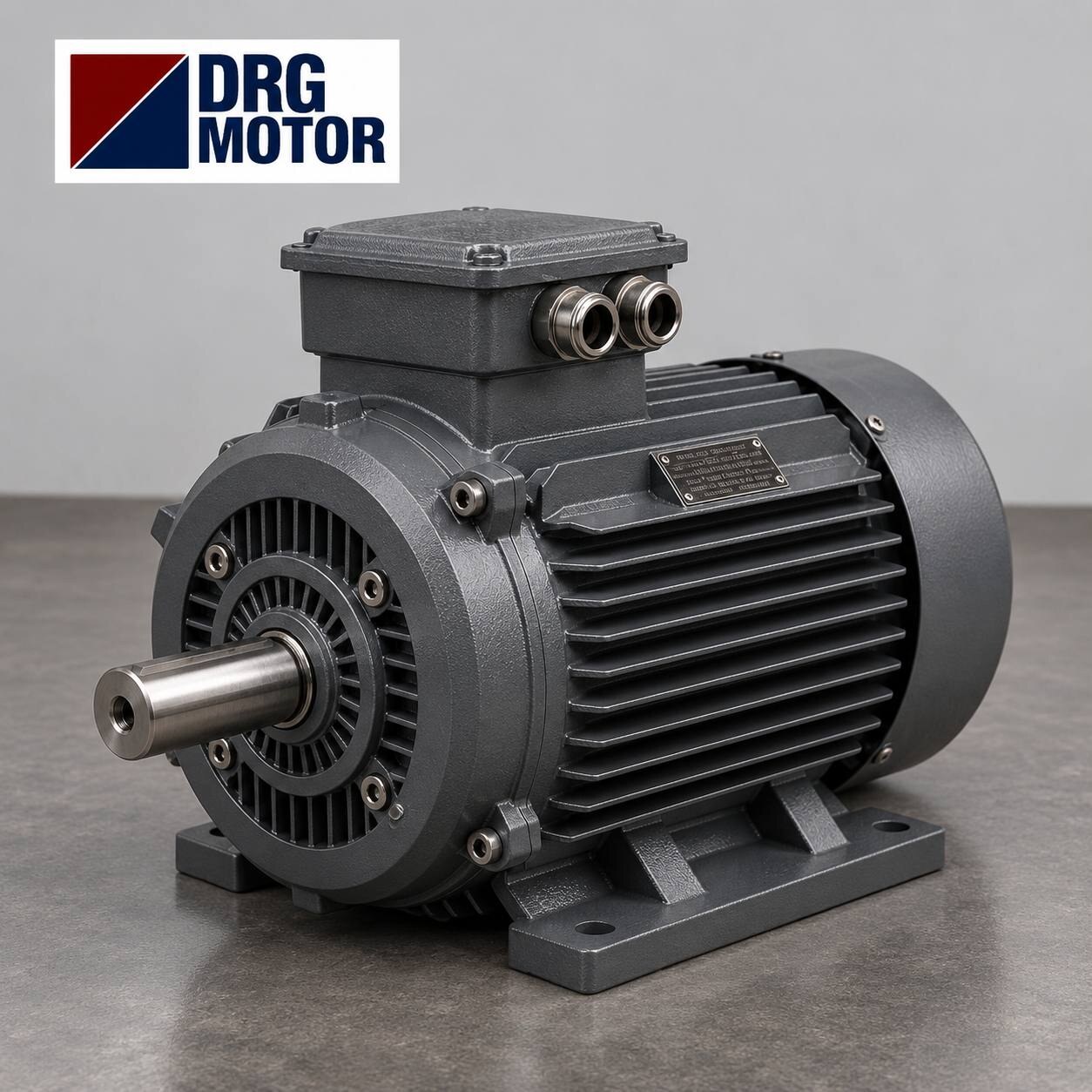
DRG Motor, a supplier based in Izmir, produces low and high power motors from 0.55 to 355 kW in IE3 and higher classes. Send us your power, speed and mounting type, and we will quickly prepare a current quotation tailored to your application.