 English
 Le français
 Türkçe

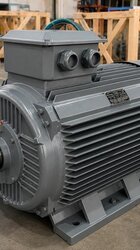
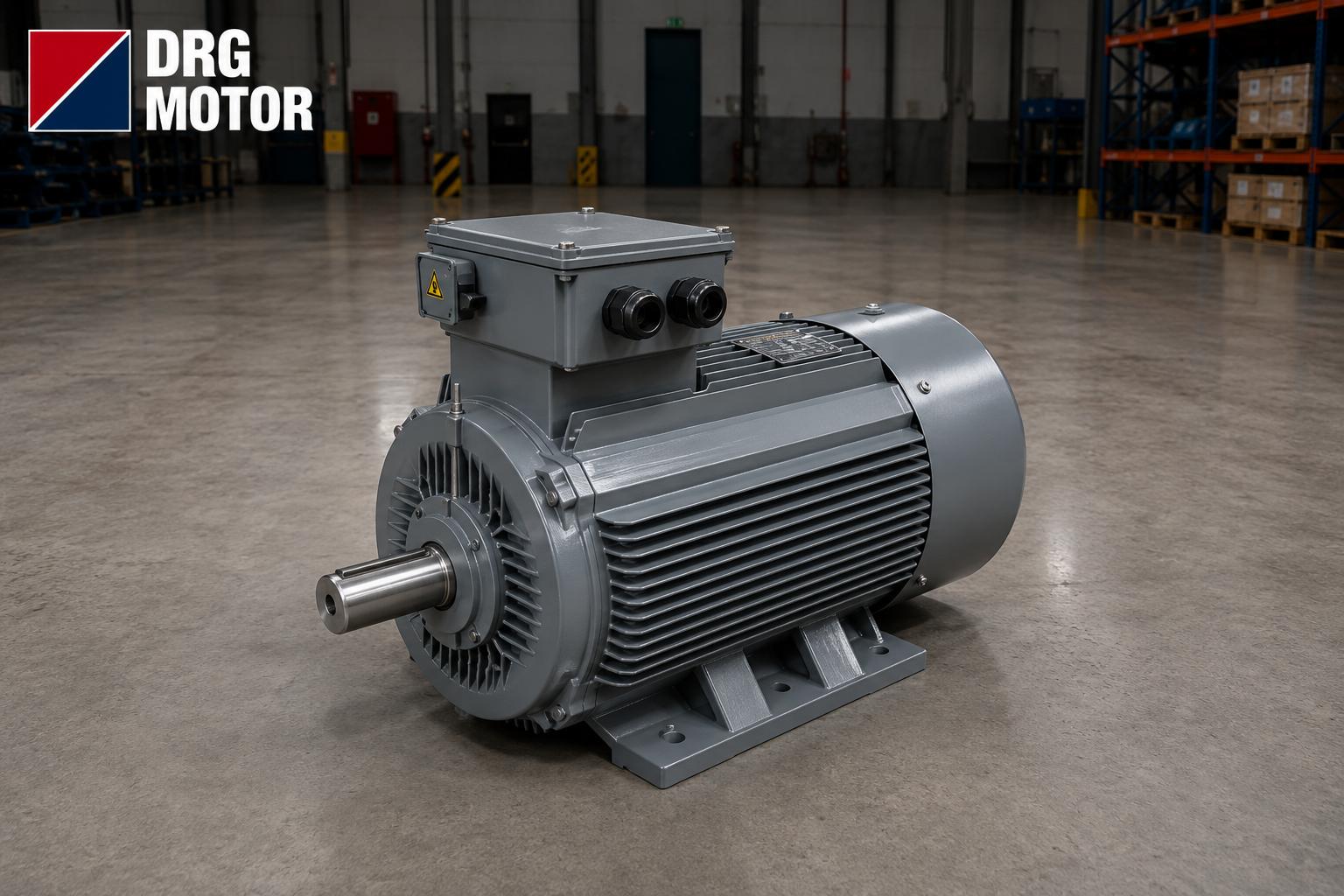

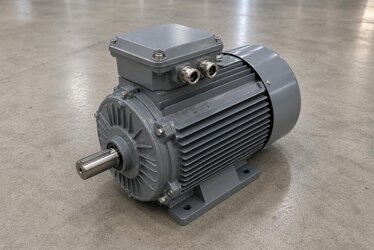
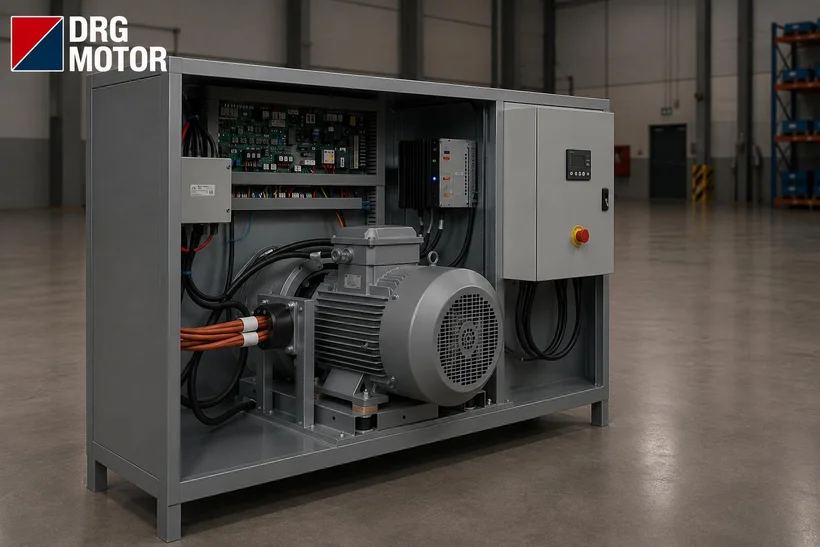
When you are sourcing machines in the 90 kW to 355 kW band that will carry the backbone of a plant, building the right budget takes far more than glancing at a list price. In this power class every line item directly shapes the payback period, the energy bill and the maintenance calendar of the whole project. At DRG Motor we look at this segment as a supplier and guide you through a realistic, well-prepared quote process.
The high power motor price can never be expressed as a single number; it is a range that moves with frame material, efficiency class, protection rating and delivery terms. In this article we walk you through the information you need to gather before requesting a quote, the technical factors that drive the figure, and how the quoting process gets faster once the right data is on the table.
Why a single list price is never enough
For small, standard machines it can be possible to glance at a catalogue and put together an approximate budget. Once you move above 90 kW, however, every machine turns into an engineering item that needs fine-tuning to the application it will serve. Two machines of the same 160 kW rating, one ordered for a continuously running pump and the other for a frequently stopping conveyor, will differ in both configuration and price. That is why a realistic budget only emerges after we understand your application.
The very low figures you sometimes see on the market usually belong to an incomplete configuration or a different efficiency class. When comparing offers, making sure they share the same technical baseline protects you from extra costs that surface later. Our approach is to present a transparent price range based on a complete configuration from the outset.
The main items that drive the price in this power class
Compared with machines below 90 kW, the volume of material and labour in a large unit grows disproportionately. As the copper winding cross-section, the lamination stack weight and the bearing sizes increase, the cost curve steepens. At the same time, raw-material price swings in these items, especially on the copper side, also affect how long a quote remains valid. The items that generate the most questions during quoting are these:
- Efficiency class (IE3/IE4): Higher efficiency means more copper and better lamination steel; the up-front cost rises, but the energy payback is fast.
- Number of poles and speed: A 2, 4 or 6-pole choice changes both the price and how well the unit matches the driven load.
- Frame and mounting type: Foot-mounted (B3), flange-mounted (B5) or combined mounting affects the connection interface and therefore the price.
- Protection rating (IP55/IP56) and cooling: Dusty, humid or wash-down environments call for extra seals and coatings.
The data set you should prepare before the quote
A quote that is both fast and accurate depends on how complete your data is. If you want a figure that sits on real conditions rather than guesswork, preparing the headings below will shorten the process. Many purchasing teams start by sharing only the power rating; yet without speed, voltage and mounting details, the price almost always has to be revised later.
- Rated power (kW) and required speed (rpm)
- Supply voltage and frequency (for example 400 V / 50 Hz)
- Duty cycle (continuous S1 or intermittent)
- Ambient temperature and altitude
- Mounting arrangement, shaft diameter and orientation
- Whether it will run with a drive (VFD) or be started directly
Direct-on-line or soft starting?
Because the inrush current in this power class can stress the grid, the starting method affects both the equipment cost in the panel and the lifespan of the machine. For high-inertia loads, yıldız üçgen yol verme can still be an economical choice, while sensitive processes favour a frequency inverter. Sharing your application during the quote stage helps you avoid unnecessary panel cost.
Once a soft starter or VFD is selected, details on the motor side such as insulation class and bearing type also come into play. Clarifying the starting strategy early therefore lets both the motor and the auxiliary equipment be priced correctly.
Lead time and stock availability
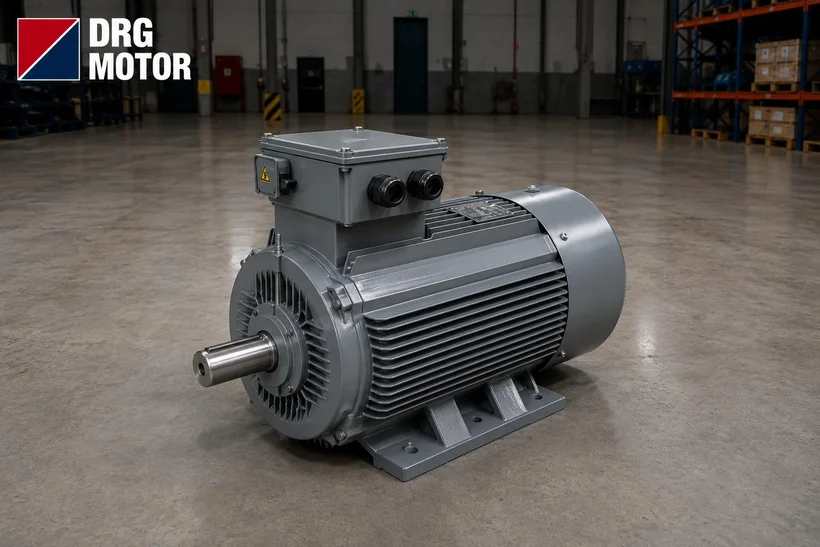
In the 90-355 kW range, standard configurations are usually supplied in a shorter time; for requests such as special frames, special shafts or a different winding voltage, the lead time can stretch. Alongside the price, our quote always includes a realistic delivery schedule. If you already know your commissioning date, telling us up front helps us make the right call between stock and made-to-order supply.
For the standard segment, three-phase asynchronous motors have a more predictable supply, which makes your budget planning easier.
Total cost of ownership: the hidden side of the price
A machine's sticker price is only a small fraction of the total you will pay over its life. When a 200 kW unit runs 16 hours a day, a single year of energy consumption rises to many times the initial investment. That is why, when evaluating a quote, we encourage you to look past the lowest figure to the annual saving the efficiency class will deliver.
- An IE4 machine can create a serious annual energy gap compared with an IE2 unit.
- Lower vibration and temperature extend bearing and seat life.
- The correct protection rating reduces unplanned downtime and spare-part spend.
How order quantity and project scale affect the price
A single machine and a project containing many machines follow different pricing dynamics. Supplying several units of the same configuration in one go creates a scale advantage on both the logistics and the planning side. So if you have a multi-item need such as a plant expansion or a new line installation, evaluating the machines as a whole rather than one by one helps you secure a more favourable quote.
When you share your project timeline, we can phase the deliveries and reduce your storage burden. With high power machines, transport and handling are line items that should not be overlooked; the weight of a 355 kW frame directly affects crane and forklift planning. Talking through these details during the quote stage prevents surprises on site.
Spare parts, warranty and after-sales
When choosing a supplier you must judge the first delivery and the support you will receive over the machine's life. The availability of parts such as bearings, fans and terminal boxes determines the downtime in the event of an unplanned fault. During the quote stage we recommend clarifying the warranty scope, the warranty period and the supply terms for critical spares.
- Warranty period and scope stated in writing within the quote
- Lead time for critical spare parts
- Technical support available during commissioning
- Complete delivery of nameplate and certificate information
Once these headings are clear, you will have bought your machine with confidence not just for today but for the next five to ten years. Including these items in your total cost calculation helps you make the soundest decision.
How the quote process works with DRG Motor
When you reach us, we first listen to your application, then complete the data set above together. We ask guiding questions for any missing details and propose alternative configurations where it helps. Our aim is to put in front of you a machine that fits your site exactly, at the lowest total cost, so you never regret the purchase. As a supplier, our strength lies in matching a wide product range to the right application.
More often than not, customers think at first that they only know the power and speed values; as we work together, they see that the ambient conditions, the starting method and the total cost can completely change the selection. That is exactly why we treat the quote process not as filling in a form but as a consulting step. Finding what is right for you matters more than selling the most expensive or the cheapest machine.
If you are curious about how the price logic works at smaller ratings, our article on trifaze motor fiyatı is a good starting point for seeing how the same quoting discipline operates. The logic is identical; only the importance of the details and the cost of a mistake grow as the power class rises. When it comes to the high power motor price, a small wrong choice will come back to you on the energy bill for years.
A final checklist before locking the quote
Just before you sign off the purchase decision, make sure the quote is clear on these points: rated power and speed, efficiency class, protection rating, mounting type, warranty scope and delivery time. When these six headings are explicit, you can compare offers from different suppliers like for like. At DRG Motor we build our quotes precisely on this readability.
If you need a machine in the 90-355 kW range, reach out with your project data; the same day we will prepare a quote that points you to the right configuration, with a realistic price range and a delivery schedule. A quote that starts well is the first step toward an investment that runs smoothly for years.