 English
 Le français
 Türkçe

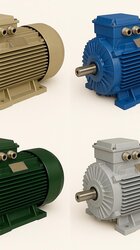
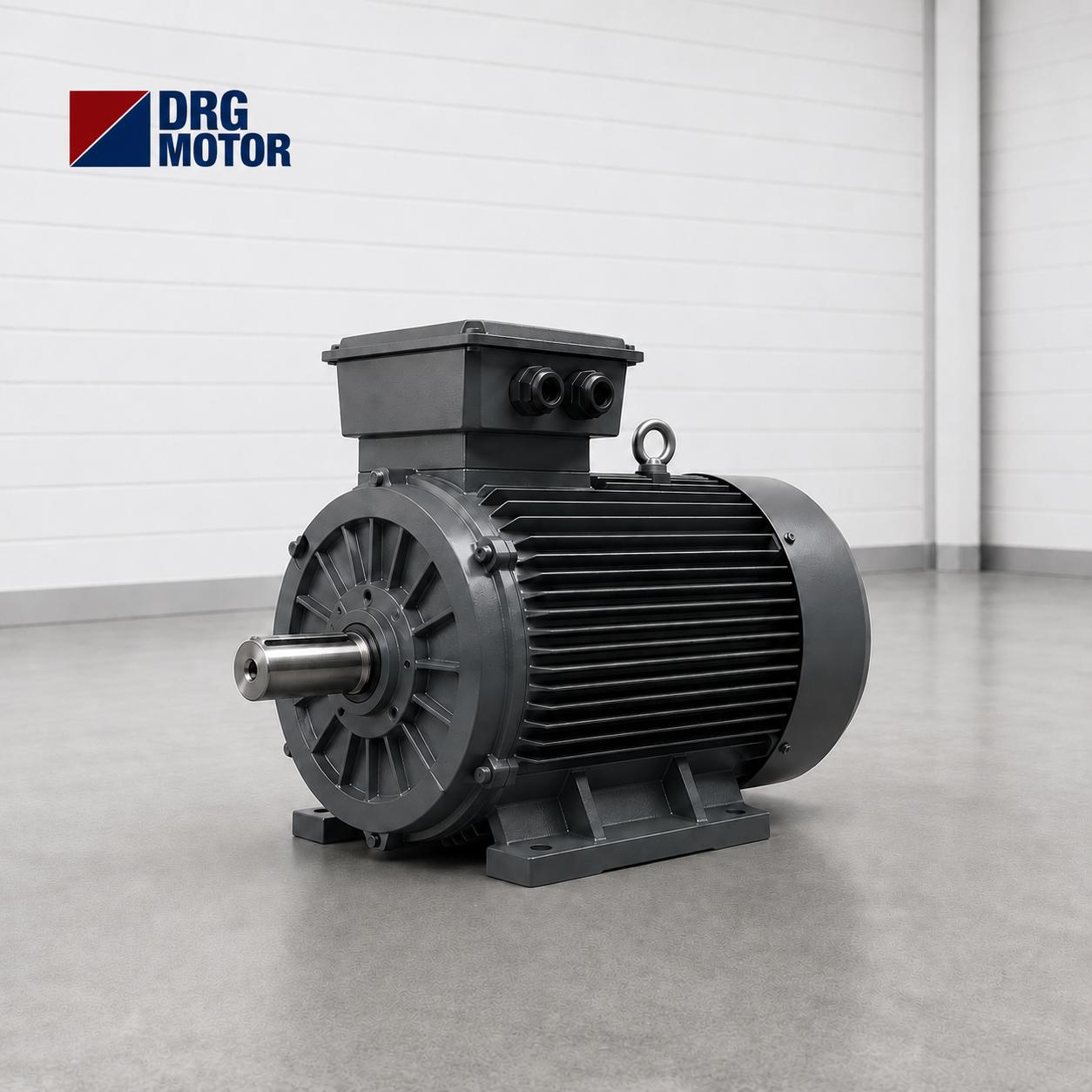

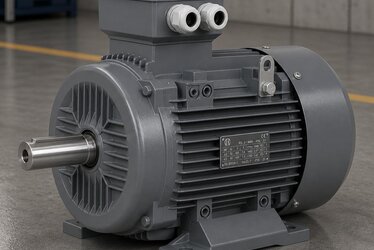
Most of the energy an electric motor consumes over its lifetime is tied directly to the heat lost as current flows through its windings. This is exactly where the winding material steps in and quietly decides the fate of your long-term operating cost. Choosing a copper-wound motor may look like a slightly higher figure on the initial invoice, yet it pays that difference back quickly through lower electricity bills, fewer breakdowns, and simpler spare-parts planning. At DRG Motor we believe matching the right winding type to the right application is the single most decisive step in any purchasing decision.
The Tangible Benefit of Copper Conductivity
Copper offers markedly higher electrical conductivity than alternative winding materials. This advantage does not stay on paper; it lets the same power rating fit into a more compact frame, run with lower resistive losses, and hold a steadier efficiency curve. For a plant manager running a line all day, that translates into a lower cost per kilowatt-hour delivered to the shaft. When winding resistance is low, the motor runs cooler, cooler insulation lasts longer, and maintenance intervals stretch out.
In other words, copper windings reduce the downtime risk not only of the motor but of the entire production line. In continuously running compressor, fan, or pump duties, that gain is clear enough to show up on the year-end accounts.
The Link Between Thermal Management and Insulation Life
Insulation life is inversely related to temperature; every few degrees of extra winding heat visibly shortens the theoretical life of an insulation class. Because copper has lower resistance, it generates less waste heat under the same load, making it far easier to keep the winding within a safe band. In foundries, textile mills, or food-processing plants with high ambient temperatures, this property is the strongest safeguard against an unexpected motor failure.
During sourcing, we recommend assessing the insulation class (F or H), the protection rating (IP55 and above), and the ambient temperature together. The duty information you share with us lets the model we propose stay genuinely durable in the field.
Cost of Ownership Speaks Louder Than the Price Tag
Making a purchasing decision on the sticker price alone is often a saving that ends up expensive. A motor's true cost is the sum of its purchase price, the energy it consumes over its life, and its maintenance spend. Energy is usually by far the largest part of that total, and a copper-wound motor trims that biggest line a little further every month thanks to its efficiency.
- Lower copper losses from reduced winding resistance and monthly energy savings
- Longer insulation and bearing life thanks to lower operating temperature
- Fewer faults and less production loss from unplanned downtime
- Higher residual value and better serviceability
When you add these items together, it becomes clear why a copper winding is more economical over time. On request we can also prepare an application-specific cost-of-ownership comparison for you.
Where It Makes the Biggest Difference
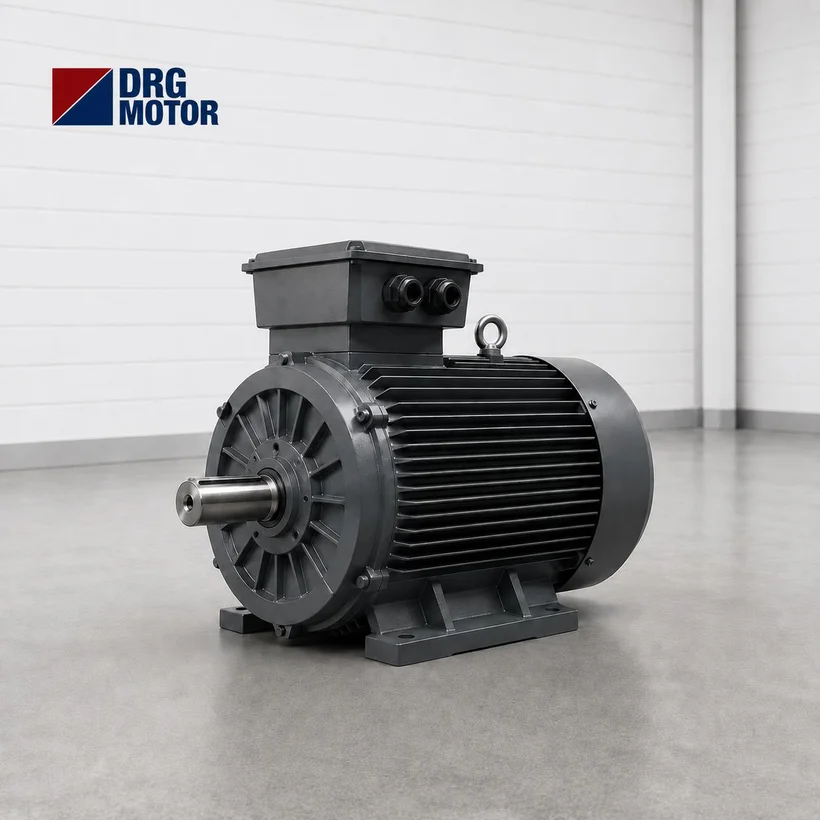
The advantage of copper grows in proportion to how many hours a day the motor runs and the load profile it carries. In a plant working multiple shifts, in a fan that never stops, or in a pump that pushes water under constant pressure, the difference shows within a few months. For that reason we recommend prioritizing copper-wound, high-efficiency-class models on critical equipment with long running hours.
On the water-handling side, many projects stand or fall on the right motor choice. When selecting a pompa elektrik motoru for a pressure-boosting station, the winding type directly sets the energy cost you pay to sustain flow and head. In safety-critical duties the bar rises even higher; with a yangın pompası motoru, the motor starting on the first try at full power the moment it is called upon is simply non-negotiable.
The Role of the Winding When Running on a Drive
As variable-speed applications become the norm, it pays to assume from the outset that the motor will run with a drive. The switching voltage from the drive places an extra electrical stress on the winding insulation, and a low-grade winding tires early under that condition. A copper-wound motor with drive-rated insulation runs cooler in this demanding regime and preserves its insulation life. In variable-flow duties such as pumps and fans, the drive lets the motor draw only the power actually needed, amplifying the efficiency advantage of copper even further.
This is why it matters that you tell us at the quotation stage whether a drive will be used. For a motor destined to run on a drive, we set the insulation class and any reinforced-insulation requirement accordingly, aiming for a long-lived installation. A poorly matched motor-and-drive pairing can push even the finest copper winding into early failure, while the right combination serves trouble-free for years.
Common Mistakes Seen in the Field
The most frequent misjudgment we see in sourcing decisions is choosing a motor on its power rating alone. Two motors of the same kilowatt value can differ markedly in annual energy use because of their winding quality and efficiency class. The second common mistake is oversizing the motor and then running it continuously at light load, which both lowers efficiency and degrades the power factor. The third is ignoring ambient conditions: selecting an inadequate protection rating for a dusty, humid, or hot environment shortens winding life rapidly.
What these mistakes share is that a decision taken at the moment of purchase turns into a cost repeated for the life of the installation. A sourcing process that starts with the right questions eliminates all of these traps from the outset. That is exactly why we take the time to understand your application before quoting and steer you toward the model you genuinely need.
Why the Right Supplier Is Decisive
Copper winding quality cannot always be judged by eye. The wire cross-section, fill factor, insulation varnish quality, and winding workmanship determine the motor's real performance. A reliable supplier backs these invisible items with documented test values and transparent technical data. At DRG Motor we openly share efficiency class, nameplate values, and conformity documents for the motors we supply, giving you a realistic expectation before you buy.
Our strength as a seller comes from not being tied to a single brand, which lets us offer the solution that best fits your application from stock or through fast sourcing. That flexibility means we can prepare an offer that matches your need precisely, without forcing you into an over-priced or under-spec model.
Stock, Delivery, and Integrated Technical Support
A motor proves its value the moment you need it and it is already in your hands. In an unplanned breakdown, waiting days for supply makes the price of the motor trivial next to the production lost. That is why we keep stock across common power and speed ranges and plan rapid delivery for our critical customers. We stay with you after the sale, providing technical support on installation, commissioning, and drive compatibility.
Within our broad range, we particularly recommend our high-efficiency motors to businesses that treat energy cost as a priority. These models combine the conductivity advantage of copper with an optimized design to shorten the payback period even further.
What to Share With Us Before Buying
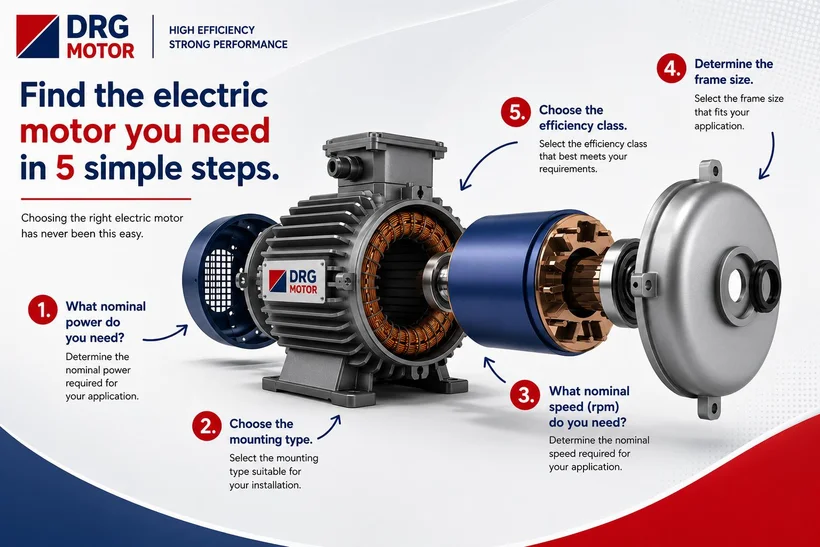
A few essentials are enough for us to prepare the most accurate offer: the required power and speed, operating voltage, daily running hours, ambient temperature, expected protection class, and whether a variable-frequency drive will be used. These details shape both the motor's lifetime and its energy performance. Rather than a flat price, we prefer to present an offer built around your application with clearly itemized factors, because every plant has a different load profile and real savings can only be calculated against those conditions.
A copper-wound motor, when chosen correctly, is an investment that runs quietly for years, lowers your bill, and keeps your line standing. Share the details of your application with us; let us prepare an offer covering the ideal power rating, efficiency class, and delivery plan, and get the right motor onto your floor in the shortest possible time.