 English
 Le français
 Türkçe

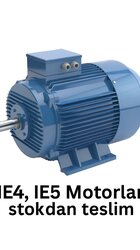
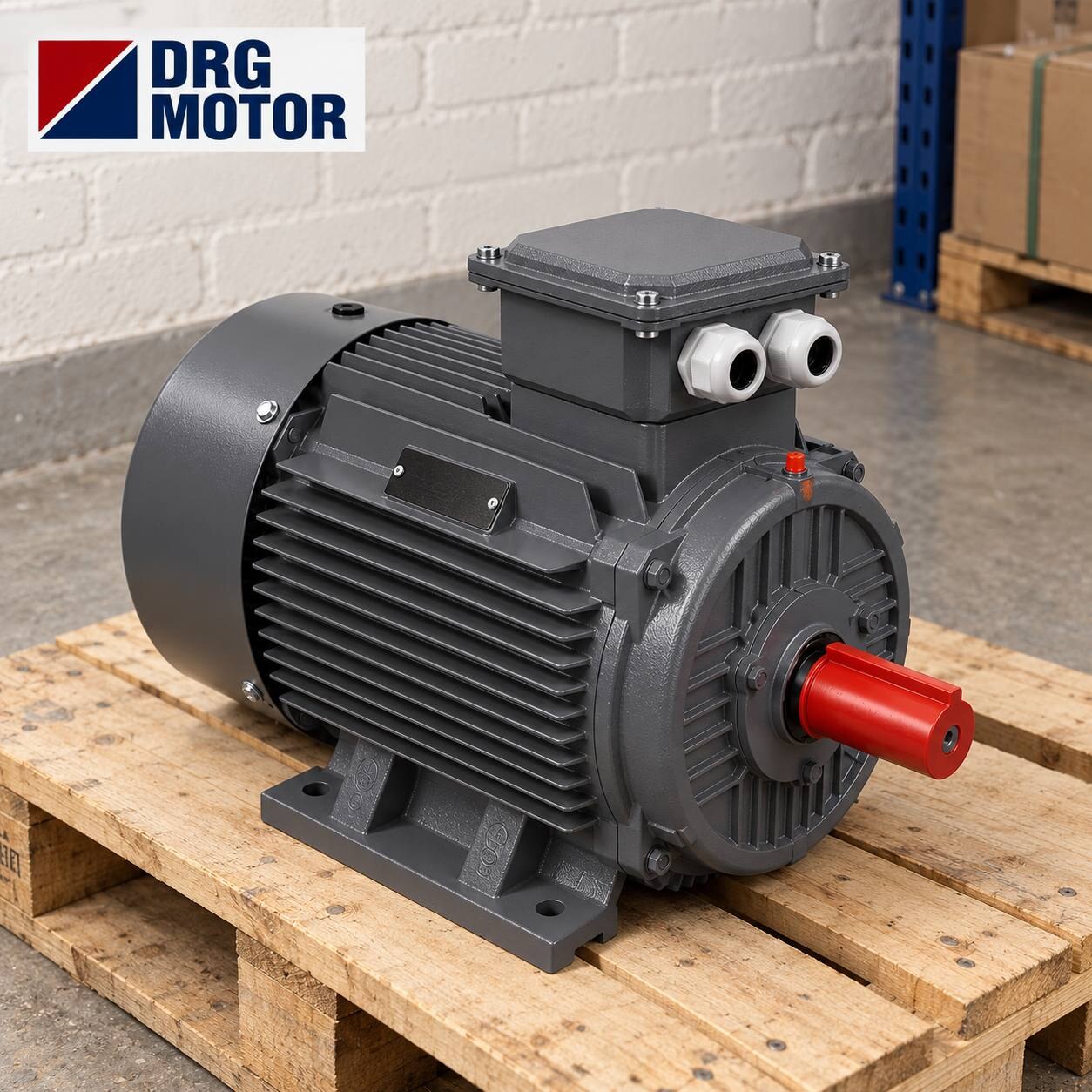

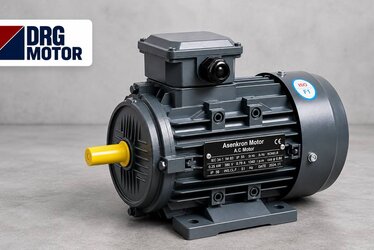
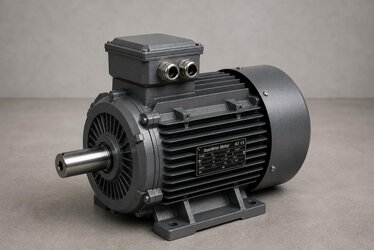
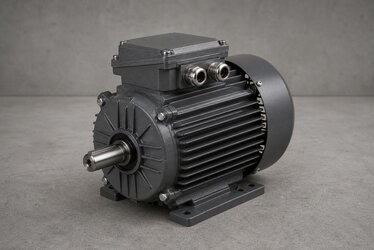
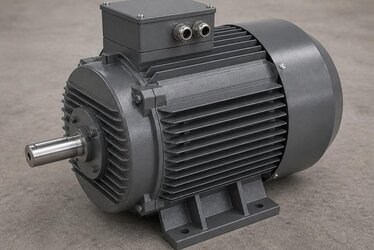
An asynchronous electric motor, also called an induction motor because the rotor turns slightly slower than the rotating magnetic field, is the durable, simple workhorse of industry. In high-efficiency designs the goal is to deliver the same mechanical power while drawing less energy from the grid.
Design Details That Raise Efficiency
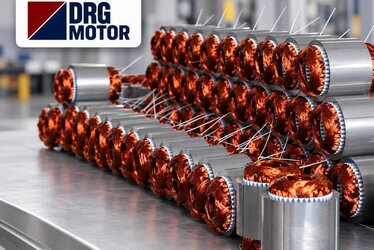
Higher efficiency comes from thicker copper windings, low-loss silicon steel laminations and an optimised air gap. These improvements cut the copper losses in the windings and the iron losses in the core, so the heat the motor generates and the energy it consumes both fall.
Choosing an IE Class
Efficiency is classified by the IEC 60034-30-1 standard: IE1 Standard, IE2 High, IE3 Premium, IE4 Super Premium and IE5 Ultra Premium. The higher the class, the lower the losses at the same power, and that difference shows up directly on the energy bill of motors that run thousands of hours a year.
Efficiency and Operating Temperature
Lower losses mean the motor runs cooler. A high-efficiency motor with Class F insulation and IP55 protection settles at a lower winding temperature, so insulation life is extended and bearing grease degrades more slowly. Efficiency brings energy savings and durability.
Switching to an Efficient Motor
Moving to a high-efficiency asynchronous motor pays off quickly, especially on pumps and fans running in continuous S1 duty. As an Izmir-based supplier, DRG Motor supplies IE3 and IE4 class asynchronous motors from 0.55 to 355 kW to help improve your plant's energy and maintenance balance.