 English
 Le français
 Türkçe

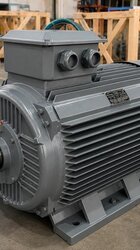

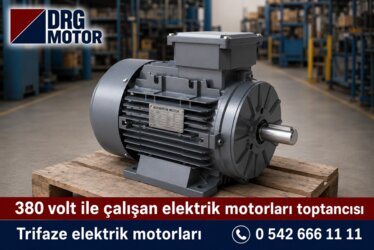
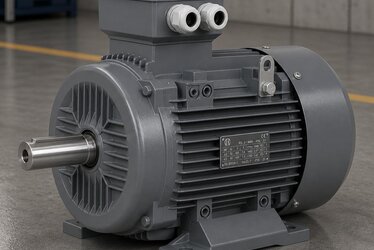
Heavy-duty electric motors are designed to withstand high torque, uninterrupted operation and harsh environments. Because they serve applications such as mining, stone crushing, cement and large pump lines, their prices are shaped by different factors than a standard motor. When budgeting for these motors in 2026, it helps to remember that durability and service life are part of the cost.
What Makes a Heavy-Duty Motor Cost More
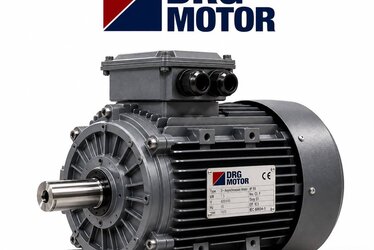
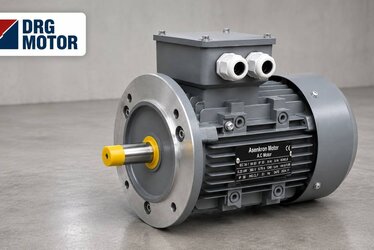
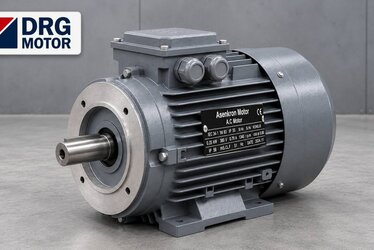
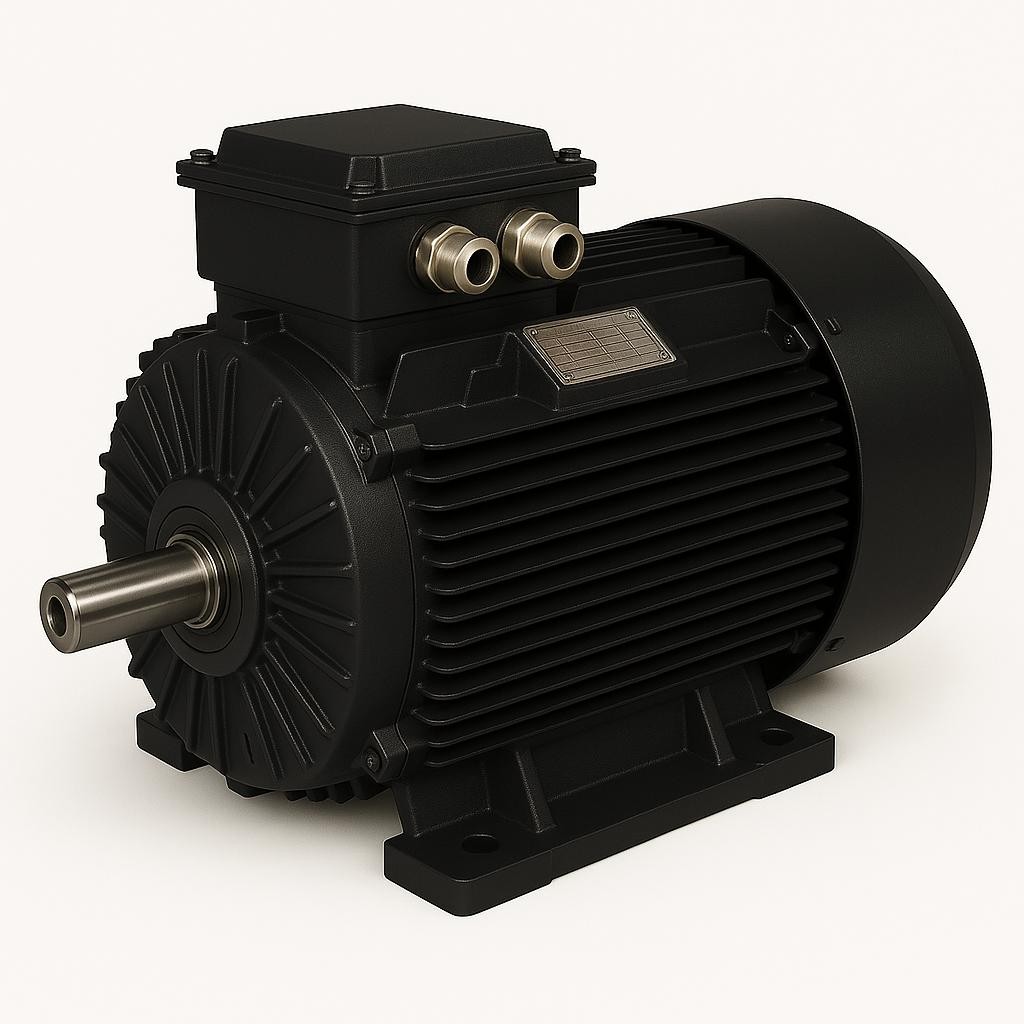
These motors are usually built with a cast iron frame, reinforced bearing arrangement and a rotor designed for high starting torque. Features such as IP55 and higher protection against dust and moisture, Class F insulation and S1 continuous duty add cost but secure non-stop plant operation.
How Power, Speed and Frame Affect Price
Price rises with power (usually high kW), speed (4- and 6-pole at 1500 and 1000 rpm are common in mining and crushing) and frame size. At the same power, a low-speed motor needs a larger, heavier frame, so it is markedly dearer in the heavy-duty class.
Total Cost of Ownership
The biggest hidden cost in a heavy-duty motor is unexpected downtime. A cheap but fragile motor raises the real cost through lost production and frequent maintenance. So a 2026 budget should foreground the motor's service life and fault-free running time rather than the sticker price.
Getting a Current Quote for 2026
DRG Motor supplies cast iron heavy-duty motors from 0.55 to 355 kW at 400 V / 50 Hz. Because price varies with power, speed and frame, share your application's load profile to receive a clear quote suited to 2026 conditions.