 English
 Le français
 Türkçe

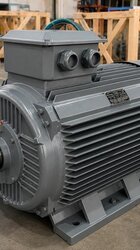
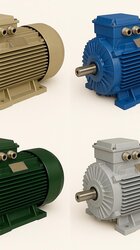
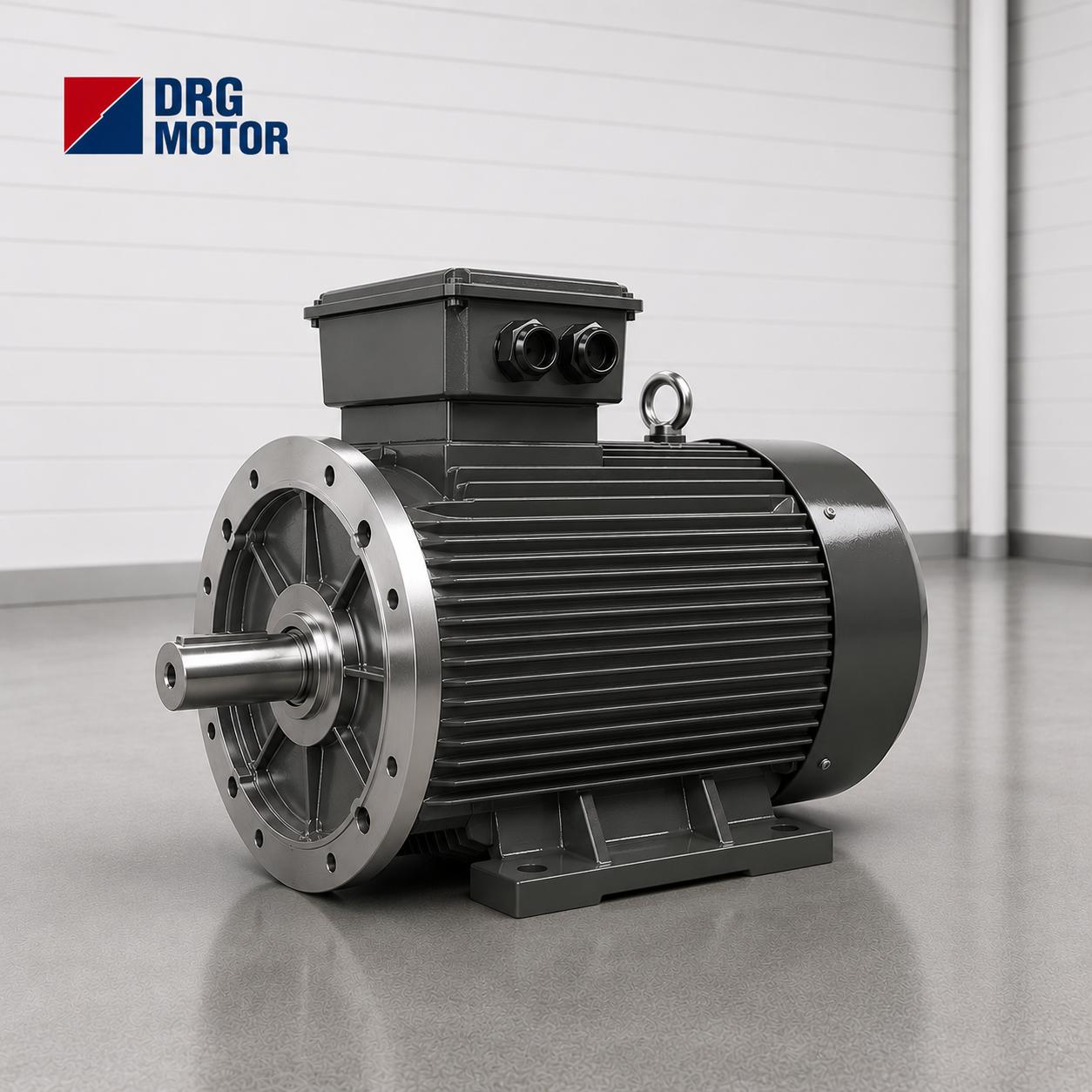

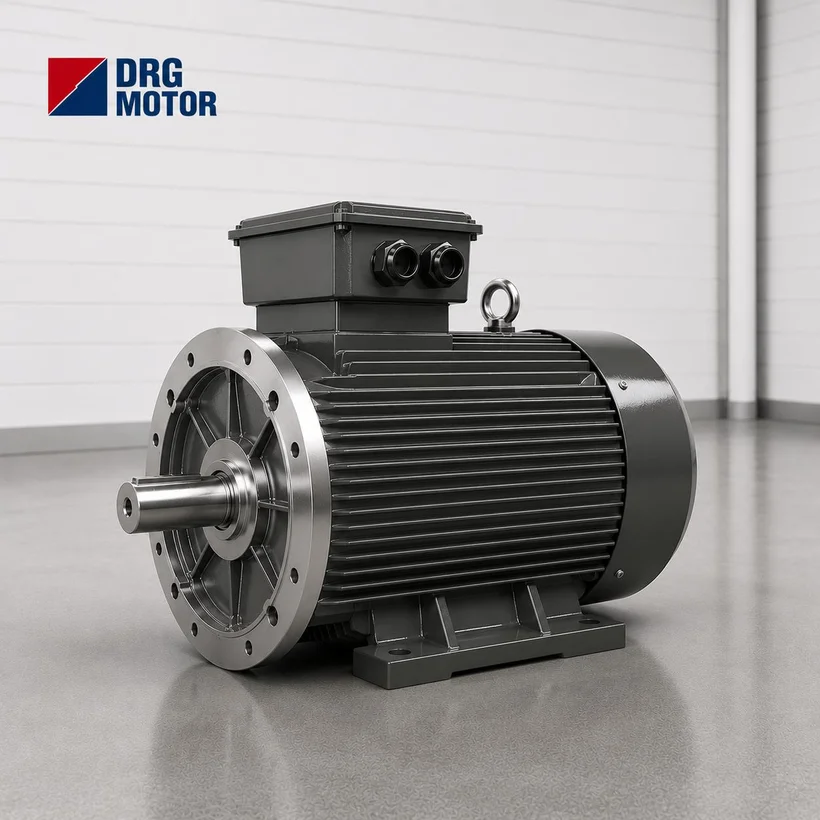
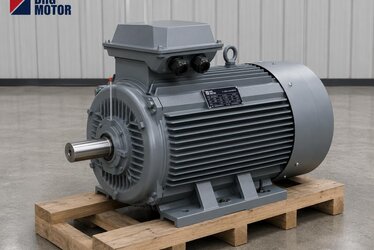
When you set up a booster pump system or upgrade an existing one, the first technical decision you usually face is the motor itself. Whether the motor driving the pump is single-phase or three-phase directly affects both the initial investment cost and the long-term operating reliability. This decision goes far beyond simply asking "what voltage do I have." Factors such as the facility's load profile, how often water is drawn, the required pressure, and how many times the motor starts during a day all play a decisive role. At DRG Motor, we consistently see that sourcing the right booster pump motor is what separates a system that runs trouble-free for years from one that fails repeatedly.
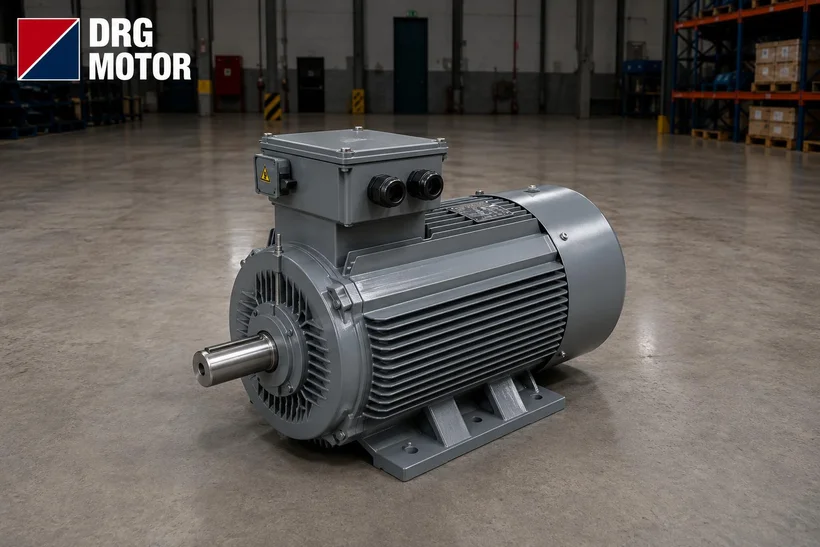
The Real Question Behind Motor Selection for Booster Pumps
A booster pump system maintains pressure in a sealed volume and switches on automatically the moment a tap is opened. This operating pattern causes the motor to stop and start many times throughout the day. As a result, the real question when choosing a booster pump motor is not "how many horsepower" but rather "how well does this motor withstand hundreds of starts per day." In a small house or apartment where daily water use is low, the demand is modest; in a multi-storey building or a small business, the same system works under a far heavier load. This is exactly where the single-phase versus three-phase distinction becomes critical.
Single-Phase Motor: A Practical, Accessible Solution at Lower Power
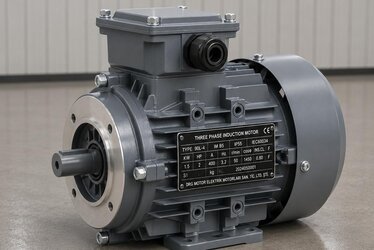
Single-phase motors run on a 220V single-phase supply and are preferred for booster pump duty especially in lower power classes, commonly in the 0.5 to 3 horsepower range. Their biggest advantage is that they can be powered directly from the existing outlet or line in homes and small premises where a three-phase supply is not available. In residential settings, where single-phase infrastructure is the norm, a single-phase booster pump motor is the most practical choice in terms of installation, and the initial investment is usually lower as well.
However, there is one characteristic of single-phase motors worth understanding: they generate starting torque with the help of an additional capacitor. In applications that start very frequently and demand high power, this design can place thermal stress on the capacitor and the windings. For this reason, the single-phase option is most suitable for scenarios where water consumption is limited, the starting frequency is reasonable, and the power requirement stays low. Under these conditions, a correctly selected, quality single-phase motor delivers many years of trouble-free service.
Three-Phase Motor: Durability for High Power and Continuous Duty
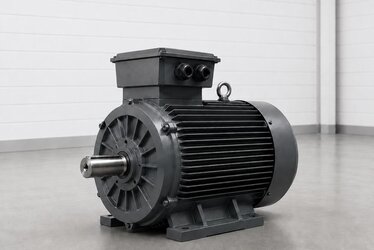
Three-phase motors run on a 380V three-phase supply and stand out in higher power classes, generally 3 horsepower and above, under demanding conditions. The three-phase design produces starting torque without needing any capacitor, which makes the motor far more resilient against frequent starts. For multi-storey buildings requiring high water flow, small and medium-sized businesses, booster groups supporting agricultural irrigation, and applications with continuous pressure demand, a three-phase motor is almost always the healthier choice.
Another advantage of three-phase motors is that, within the same power class, they typically offer higher efficiency and a lower operating temperature. This translates into tangible gains in both energy consumption and motor life. When paired with a frequency inverter (variable speed drive), a three-phase booster pump motor can adjust pressure steplessly; as water demand changes, the motor turns only as much as needed, saving energy while also reducing water hammer. In facilities that already have a three-phase line, there is little reason not to choose three-phase at medium and high power levels.
Power and Speed: Matching the Motor to the Pump
In booster pump motor selection, power (kW or horsepower) and speed (rpm) must be evaluated together. Most booster pumps are matched with 2-pole motors running at roughly 2900 rpm; this speed provides the velocity the centrifugal pump needs to produce the desired pressure. Selecting the correct power is critical: an underpowered motor strains the pump, causing overheating and premature failure, while an oversized motor consumes unnecessary energy and raises cost.
For a proper match, parameters such as the pump's head, the required flow, and the number of floors or lift in the system must be taken into account. At DRG, we ask our customers for the pump nameplate data or application details and recommend the motor based on this information, ensuring that a product fully compatible in both power and speed reaches the field.
Protection Class (IP) and Operating Environment
Booster pump motors often operate in damp, humid, or splash-prone environments: basements, near water tanks, or in open mounting areas. For this reason, the motor's protection class (IP rating) is a criterion that should not be overlooked. For general use, an IP55 protection class provides adequate protection against dust and low-pressure water jets and is suitable for the majority of booster pump applications. In more aggressive environments, or in installations with a high risk of direct water contact, higher protection classes should be considered.
Alongside the protection class, the motor's insulation class (usually class F) and thermal protection hardware are also decisive for long service life. In a frequently cycling booster pump, a motor with thermal protection shuts itself down in the event of a sudden overload, protecting the windings from burning out.
Resistance to Frequent Starting: The Most Critical Issue for Booster Pumps
In booster pump systems, the moment the motor wears the most is at startup. With every start, the motor draws a high inrush current and the windings are exposed to thermal stress. Because a booster pump can switch on dozens, sometimes hundreds of times a day, resistance to frequent starting sits at the heart of motor selection. When the expansion tank (diaphragm tank) is not sized correctly, the motor starts and stops more than it should; this shortens the life of both single-phase and three-phase motors, but the effect is more pronounced in single-phase motors because of the capacitor.
That is why two approaches stand out in applications expecting very frequent starts: either lowering the starting frequency with a correctly sized tank, or driving a three-phase motor with a frequency inverter so that the motor holds pressure at a steady speed instead of stopping and starting. The inverter-driven three-phase solution both extends motor life and improves water comfort in facilities under heavy use.
Distinguishing Initial Cost from Total Cost of Ownership
A common mistake in booster pump motor selection is making the decision based on the sticker price alone. A single-phase motor may look more affordable at the point of purchase; however, under heavy continuous use, frequent capacitor replacements, winding failures, and the related service downtime gradually push up the total cost of ownership. While a three-phase motor may require a slightly higher initial investment in busy facilities with suitable infrastructure, it pays for itself quickly thanks to higher efficiency and longer failure-free operation.
When making the supply decision, the motor's energy efficiency, expected operating hours, and ease of service should all be considered together. If a stopped pump means lost production or service for a business, reliability alone justifies the cost. At DRG, we offer our customers not just a motor but a supply approach aimed at the lowest total cost over the life of the application.
Spare Motors and Supply Continuity
In critical water supply systems, selecting the right motor counts for little unless you can obtain one quickly when needed. In a continuously running booster group, the ability to rapidly source a spare motor or a compatible equivalent in the event of a failure keeps water interruption to a minimum. Motors with known standard frame dimensions (IEC shaft diameter, flange, and foot type) make supply continuity easier when a replacement is required later on.
For this reason, choosing a common, standard frame type when selecting a booster pump motor is an advantage in the long run. At DRG, thanks to our stocked power classes and broad product network, we also respond quickly to replacement and upsizing needs that arise during operation.
Make the Right Supply Decision with a Quote from DRG Motor
There is no single right answer to the single-phase versus three-phase question; the right answer depends on your facility's real needs. While single-phase is sufficient for a low-power, limited-use home, three-phase is a far healthier investment for a continuous, heavy-use, multi-storey, or business-scale application. The wrong choice comes back as early failure, high energy bills, and service costs.
At DRG Motor, we supply single-phase and three-phase electric motors across a wide power range through our B2B supply channel. We evaluate parameters such as the power, speed, protection class, and starting frequency of your booster pump application, recommend the right product, and provide a fast quote with pricing and delivery options suited to your project. You can review our full range of pump motors, and by sharing your pump nameplate data and application details you can request a tailored quote from our team. Source the right motor the first time and save both time and cost.