 English
 Le français
 Türkçe

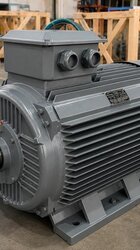
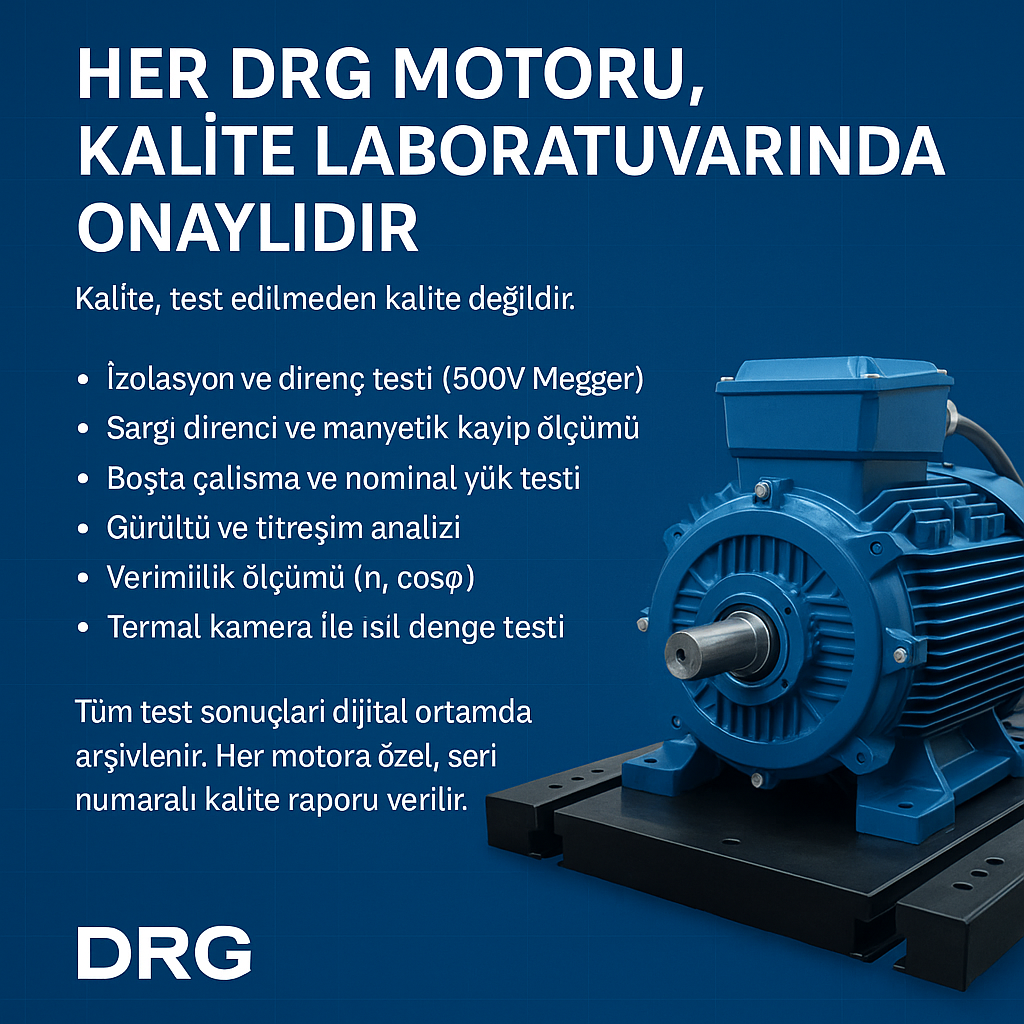

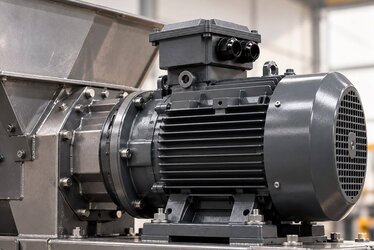
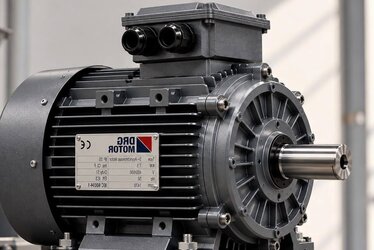
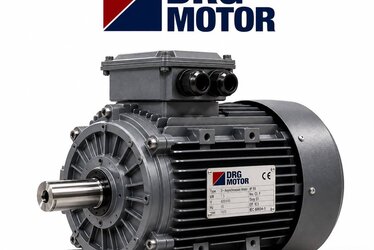
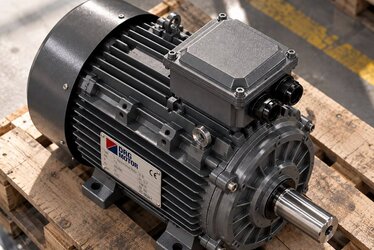
An electric motor is a fundamental machine that turns electrical energy into mechanical motion by driving a rotating shaft. In industry it is the prime mover for pumps, fans, conveyors and machine tools, and it reaches all the way down to household appliances.
How an Electric Motor Works
Current applied to the stator windings creates a rotating magnetic field, which produces torque in the rotor and turns the shaft. In the most common type, the induction motor, the rotor turns slightly slower than the field, and this slip generates torque.
Types of Motor
By supply there are AC and DC motors, and by phase count three-phase and single-phase motors. The most common industrial solution is the three-phase induction motor: simple, durable and low in maintenance. Single-phase motors are used mainly for small home and workshop applications.
Efficiency, Speed and Protection
Under IEC 60034-30-1, efficiency is graded from IE1 to IE5. On a 50 Hz supply the synchronous speed depends on the pole count: 2 poles 3000 rpm, 4 poles 1500 rpm, 6 poles 1000 rpm. Industrial motors are typically built with IP55 protection and Class F insulation.
Choosing the Right Motor
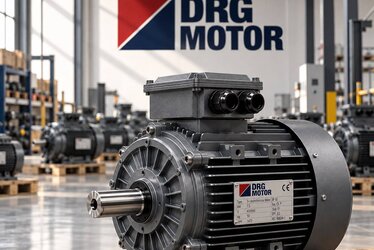
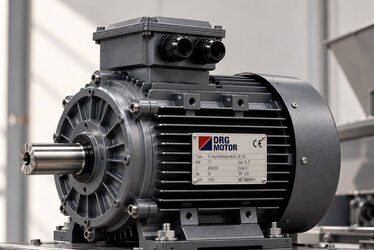
İzmir-based supplier DRG Motor offers motors from 0.55 to 355 kW in various efficiency classes and mountings (B3, B5, B14). The best model is determined from the application's power, speed and duty data.