 English
 Le français
 Türkçe

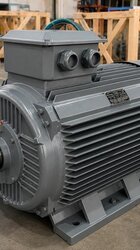
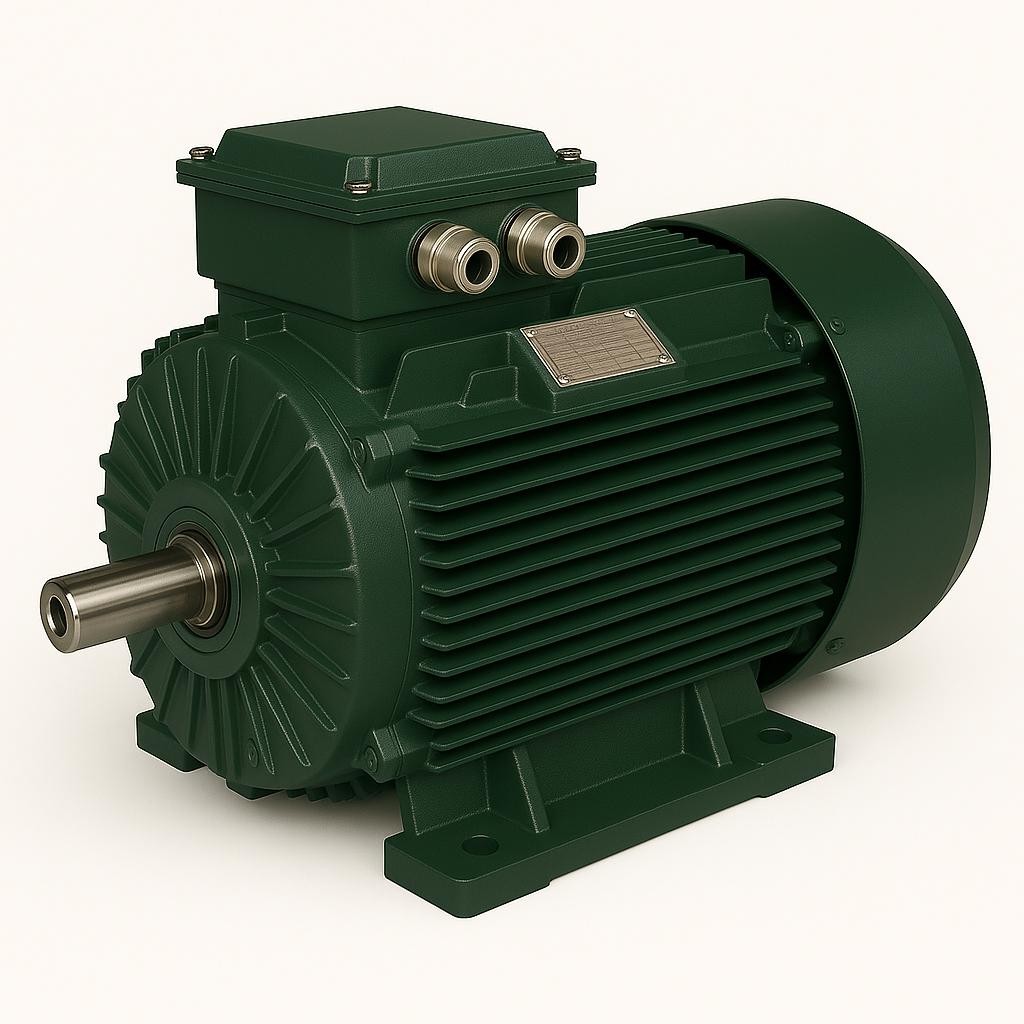

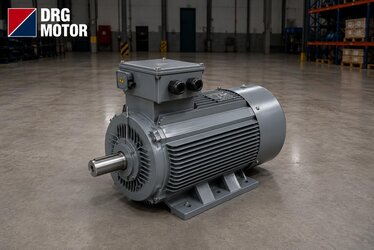
An electric motor price list depends on too many variables to fit a single table, because every power rating, speed and efficiency class corresponds to a different price point. Budgeting correctly for pump, fan, conveyor and automation applications means understanding the technical factors behind the price. DRG Motor sets these out transparently so businesses can plan realistically.
The Core Factors Behind the Price
The first factor that sets a motor's price is its power (0.55–355 kW); as power rises, so do casting volume and winding copper. The second is speed: the 2-pole 3000 rpm, 4-pole 1500 rpm and 6-pole 1000 rpm versions use different frame sizes. The third is efficiency class and housing material.
Efficiency Class and Total Cost of Ownership
An IE1 Standard motor may look cheap on a list, but in a continuously running application the energy savings of an IE3 Premium or IE4 Super Premium motor make the difference. When reading a price list, look beyond the purchase figure to the electricity the motor will consume over its life.
Housing, Protection and Mounting Details
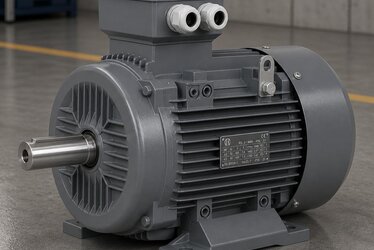
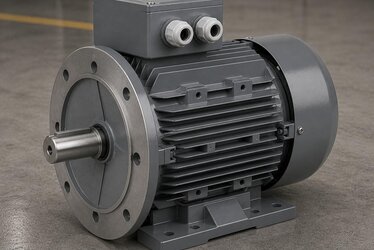
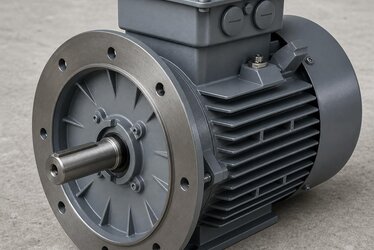
A cast iron housing pushes the price up because it is more durable than aluminium, but it delivers long life under harsh conditions. IP55 protection, Class F insulation and B3/B5/B14 mounting types are also line items affecting the price; the right combination is chosen by application.
Contact for a Current Price List
Because concrete prices vary with application, power and configuration, DRG Motor shares its current price list on a project basis. Once you share your motor's power, speed and efficiency class, a suitable product and an up-to-date price are determined together.