English
 Le français
 Türkçe

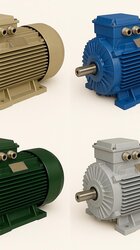
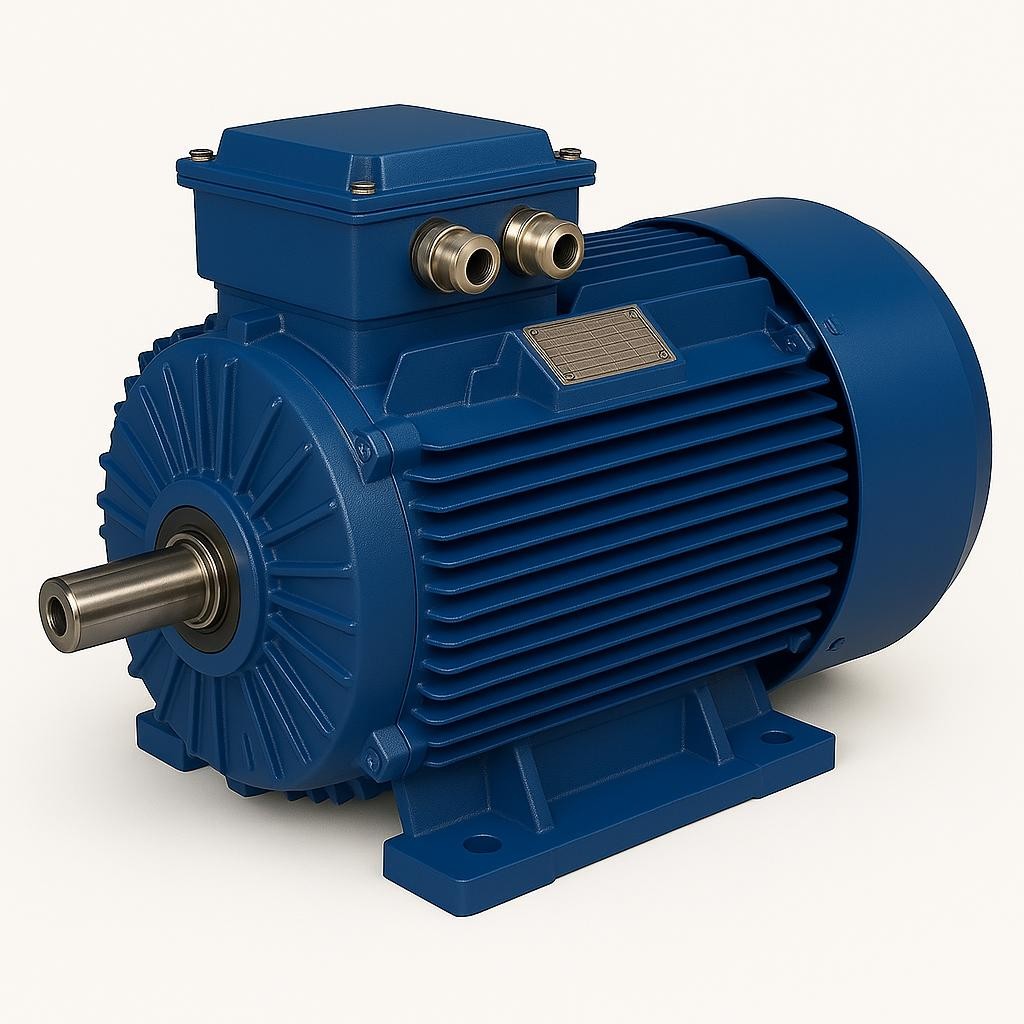

The price of an electric motor is among the first things businesses ask about in industrial and production investments. Yet motor price cannot be reduced to a single figure; power, speed, efficiency class and frame material carry every motor to a different value. Accurate budgeting comes from weighing these factors together.
How Power and Speed Affect Price
The first factor setting a motor's price is power; a small 0.55 kW motor and a large 355 kW unit never share the same band. Speed matters too: 2-pole 3000 rpm, 4-pole 1500 rpm and 6-pole 1000 rpm motors can be priced differently at the same rating. The application's true need defines the right band.
Efficiency Class and Total Cost of Ownership
Under IEC 60034-30-1, the price gap between IE2, IE3 and IE4 motors reflects only the moment of purchase. On a continuously running motor, energy consumption far exceeds the purchase cost, and a high-efficiency motor recovers the difference over time. When weighing price, factor in the annual energy cost too.
Frame, Mounting and Protection
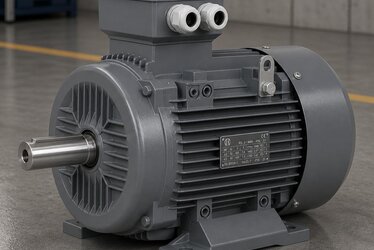
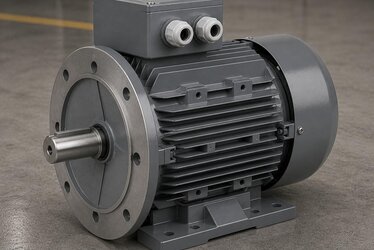
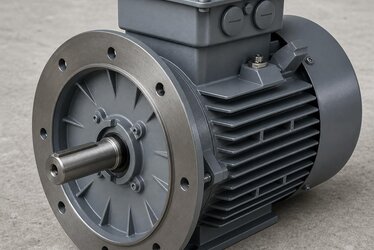
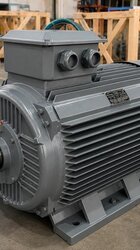
A cast iron frame is more durable than aluminium and sits in a higher price band. B3 foot, B5 flange and B14 face mounting types, along with IP55 protection and F-class insulation, together determine a motor's price and its field of use. Extra equipment can change the value.
Accurate Pricing from DRG Motor
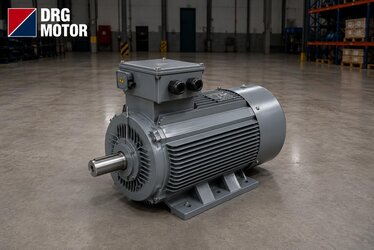
Fluctuations in copper, steel and exchange rates constantly change motor prices, so the most accurate figure comes from a live quote. Across the 0.55–355 kW range, DRG Motor offers tailored pricing based on the power, speed and efficiency class you need, with technical support for the right choice.