 English
 Le français
 Türkçe

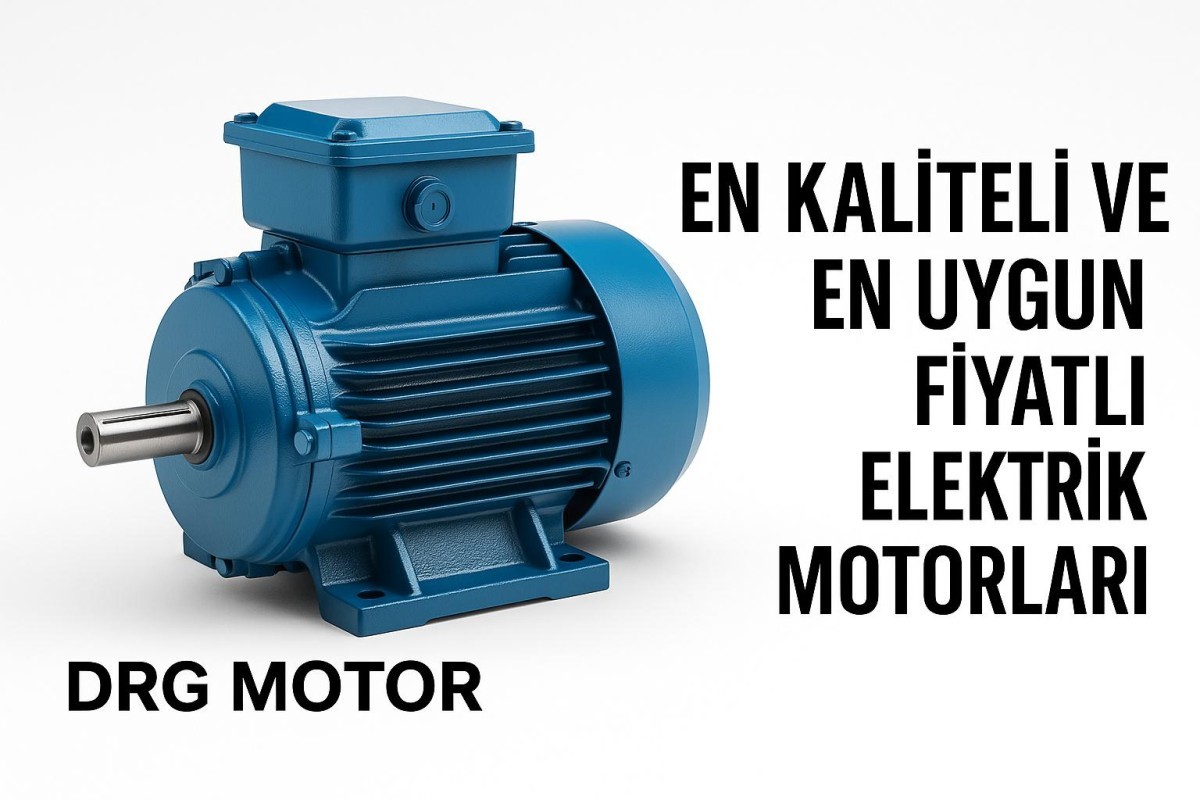

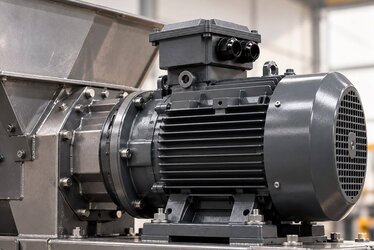
Electric motor suppliers are engineering firms that design, cast and wind the machines that convert electrical energy into mechanical motion. A motor's efficiency, durability and quietness depend largely on the supplier's choice of materials and production discipline.
Stages of the Production Process
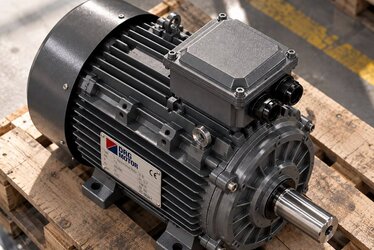
An electric motor is created by stamping the stator and rotor lamination stacks, winding the copper coils, casting the frame in cast iron or aluminium, and assembling the bearings and rotor. The tolerance at each stage directly affects the motor's final efficiency.
Compliance with Efficiency Classes
Capable suppliers build their motors to the IEC 60034-30-1 efficiency classes (IE2 High, IE3 Premium, IE4 Super Premium). Meeting these classes requires more copper in the windings, low-loss material in the lamination stack and a precise air gap.
What Sets a Supplier Apart
A good supplier is distinguished by Class F insulation, IP55 protection, an S1 continuous-duty rating and a broad range of power, speed and mounting options. Stock availability, spare-part support and technical consultancy also define a supplier's value.
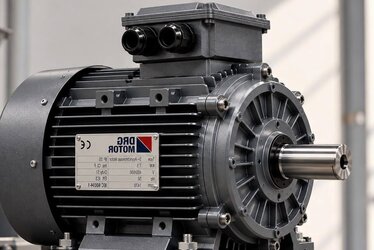
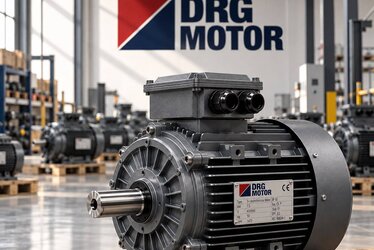
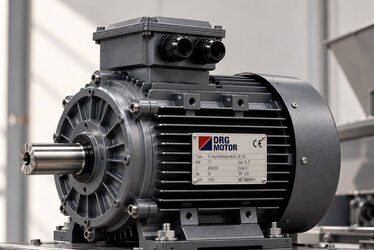
DRG Motor as a Domestic Supplier
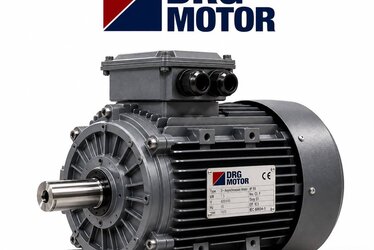
The İzmir-based DRG Motor supplies electric motors with cast iron frames in the 0.55-355 kW range, with 2-6 poles and B3/B5/B14 mounting. Domestic production provides short lead times and application-specific support.