 English
 Le français
 Türkçe

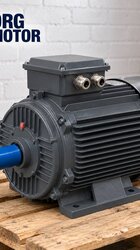
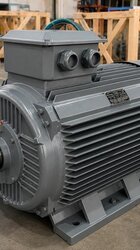
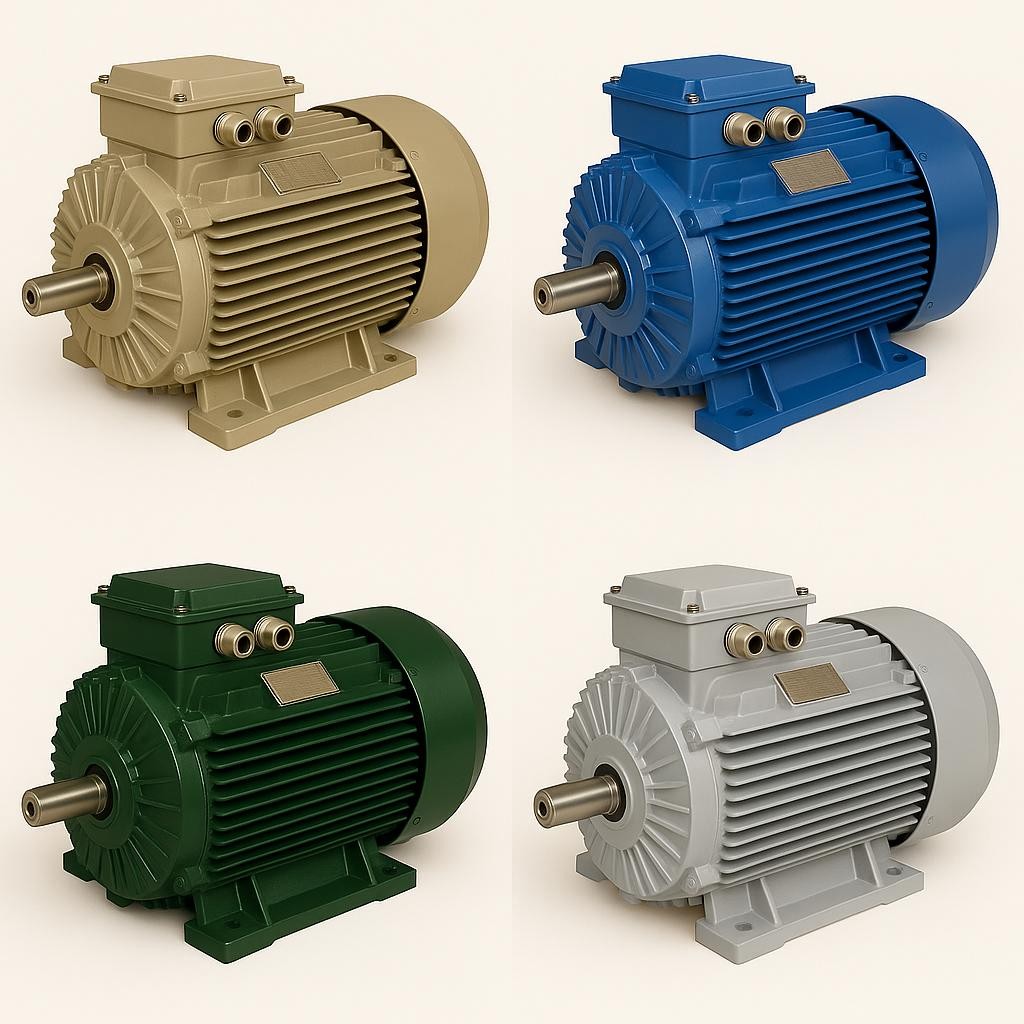

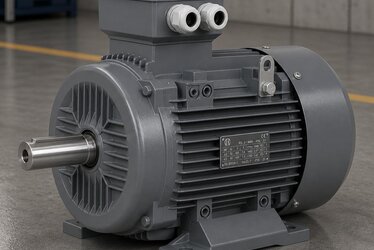
Heavy-duty electric motors operate in systems demanding high power and continuity, such as crushers, mills, presses and large conveyors. The 2026 price list for these motors reflects the material and engineering cost of their rugged build according to power, speed and efficiency class. DRG Motor presents this list with a transparent cost logic.
What Sets a Heavy-Duty Motor Apart
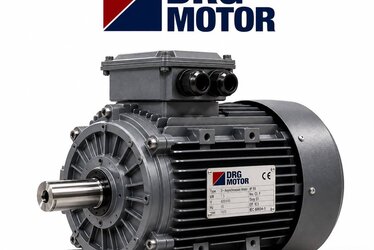
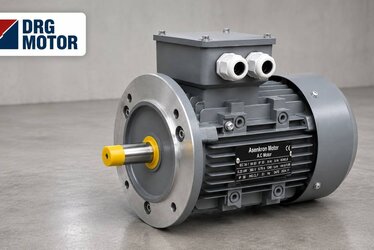
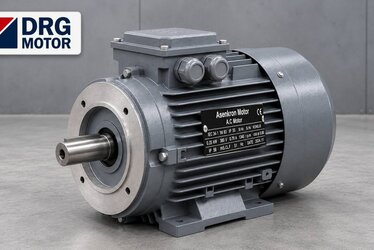
Heavy-duty motors are designed to withstand shock loads and high starting torque. A cast iron frame, reinforced bearings and F-class insulation are standard, while IP55 protection ensures safe operation in dusty, damp environments. This rugged build places them separately from standard motors on the price list.
Technical Factors Behind the List
The first factor setting the price is power; in heavy duty this often spans 7.5 kW to 355 kW. Speed (4-pole 1500 rpm, 6-pole 1000 rpm) and efficiency class (IE3 Premium, IE4 Super Premium) form the list's distinctions. High torque and a heavy frame directly affect the line value.
Efficiency Class and Operating Cost
Because a heavy-duty motor runs continuously and for long hours, efficiency class is decisive in total cost. Under IEC 60034-30-1, an IE4 Super Premium motor recovers the purchase difference over its service life through lower energy use. When weighing the list, factor in the annual energy cost too.
2026 Current List from DRG Motor
Because shifts in copper, steel and exchange rates affect the 2026 list figures, the most accurate price comes from a live quote. By stating your heavy-duty application's power, speed and efficiency-class need, DRG Motor provides a tailored, up-to-date price list. Sharing your machine type is all it takes.