 English
 Le français
 Türkçe

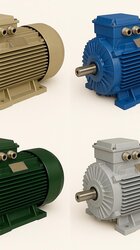
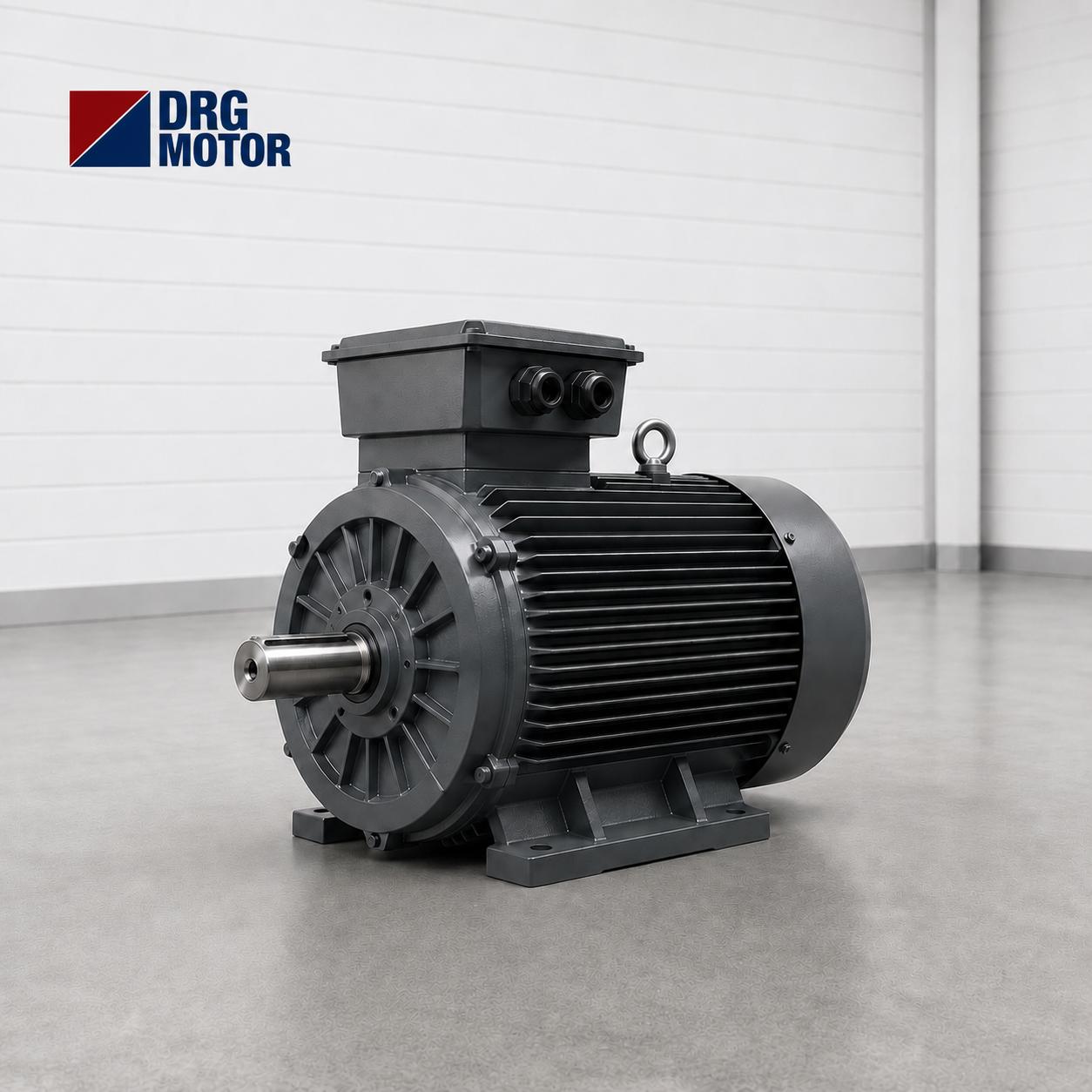

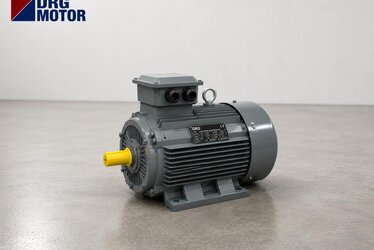
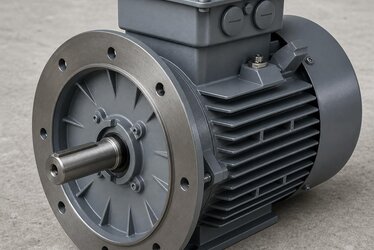
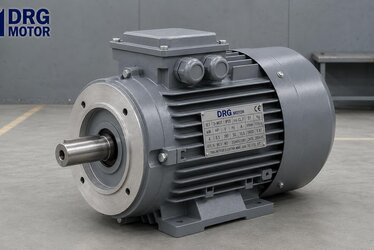
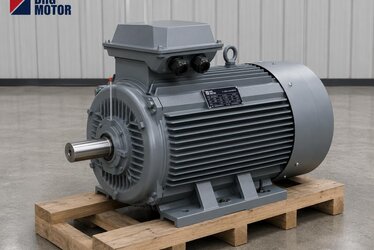
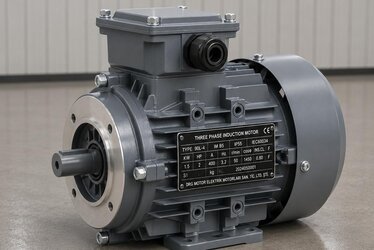
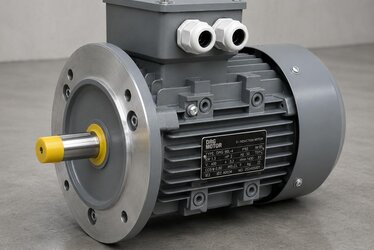
In plants where wood chips, fibers, flour, cement dust, or textile lint hang in the air, the heart of every aspiration line is its drive motor. A motor running an aspirator or suction line does more than spin a fan; it has to resist the fine dust that constantly tries to work its way into the bearings, windings, and cooling fins. That is exactly why the right choice for dusty environments is usually an aspirator motor with IP55 protection. At DRG Motor we supply IP55 motors sized to airflow and pressure for facilities running dusty and chip-laden lines, backed by a fast quotation process tailored to your duty.
What IP55 Protection Means in a Dusty Line
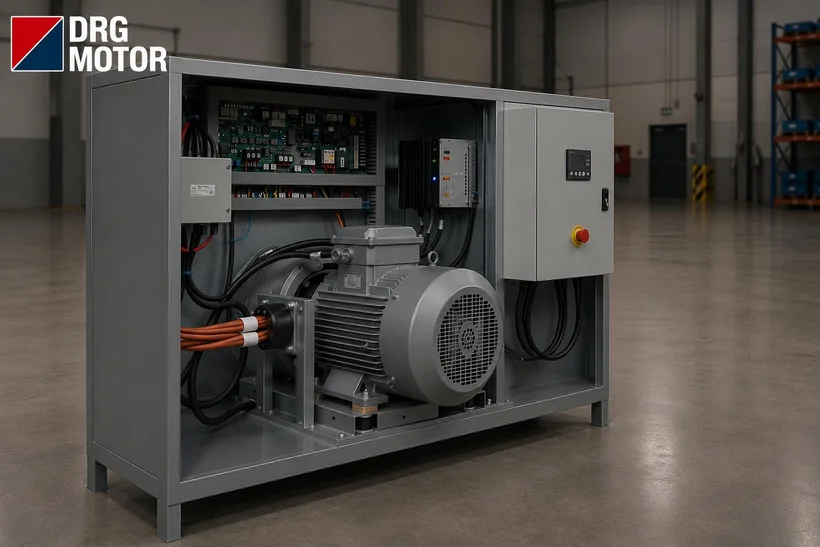
In the IP rating, the first digit 5 means significant protection against dust ingress, while the second digit 5 means protection against water jets from any direction. That first 5 does not seal the motor completely against dust, but it prevents dust from building up in amounts that would harm operation or winding insulation. In suction lines the fine particles suspended in the air will seep into the bearing and winding zones of lower-rated motors, such as IP44 units, causing overheating, imbalance, and early failure. IP55 keeps that accumulation under control so the motor keeps running reliably in chip-laden and dusty conditions. For lines with very heavy dust loads or combustible dust risk, higher protection classes should be considered, and we can help you define the correct level for your process.
Sizing the Aspirator Motor to Airflow and Pressure
The motor for an aspiration system is chosen around the airflow the fan must move (m³/h) and the static pressure loss the system has to overcome (Pa or mmWC). Duct length, the number of elbows, filter resistance, and elements such as cyclones all increase pressure loss, which in turn raises the power the motor must draw. An underpowered motor is forced to work at the edge of its capacity, overheats, and loses efficiency. An oversized motor wastes energy and inflates the investment. At DRG we match power (kW), speed (rpm), and frame type to the airflow and pressure values of your line, so the motor fits the real aspiration performance you need rather than a guess.
- Airflow (m³/h) and target capture velocity
- Total static pressure loss of the system
- Fan type and speed match (direct drive or belt-and-pulley)
- Dust load and particle type (wood, textile, metal swarf, food powder)
- Operating pattern: shift-based or non-stop S1 duty
Why Continuous Duty and Cooling Matter
In most plants aspiration lines run through every shift, often without stopping. That means the motor operates in the S1 continuous-duty regime, turning at rated load for long hours. Under continuous duty, expelling the heat the motor generates becomes critical. Standard IP55 motors are cooled by the fins on the frame and a fan behind the rear cover (IC411 surface cooling). In a dusty environment, however, dust caking on the cooling fan and fins reduces cooling efficiency. That is why on dusty lines both periodic frame cleaning and selection with a healthy thermal margin matter. Where dust is very heavy or the motor sits in an enclosed cabinet, external cooling or a higher insulation class (H instead of F) can be considered.
Dust Sealing and Bearing Life
The most common cause of failure in aspirator motors is fine dust reaching the bearing, breaking down the oil film, and wearing the bearing out. While IP55 secures the frame itself, the shaft seal and bearing protection must also suit the dust type. Abrasive dust such as cement or metal swarf calls for reinforced seals and re-greasable bearings. For food and textile dust, ease of cleaning and moisture resistance come to the front. At DRG we evaluate the motor not in isolation but together with the seal and bearing arrangement suited to your line's dust character, which extends maintenance intervals and lowers the risk of unplanned downtime.
Matching the Right Fan Motor
Aspiration performance depends on correctly pairing the motor with the fan. Radial (centrifugal) fans deliver high pressure, axial fans deliver high airflow, and each has different speed and torque requirements. In direct-drive systems the motor speed sets the fan speed, while belt-and-pulley systems let you tune the speed ratio. Choosing the wrong speed means either weak suction or an overloaded motor. You can review fan motor solutions and compatible power-speed combinations suited to your facility in our fan motors product range and request a quote specific to your line.
Energy Efficiency and Speed Control
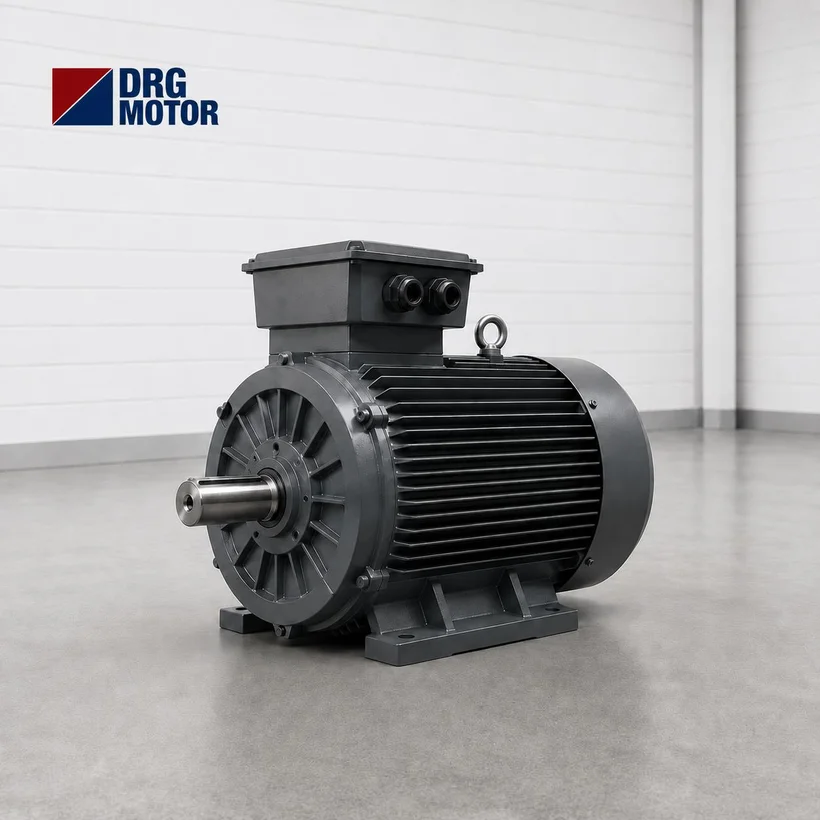
Aspiration lines are a major electricity consumer in any plant. An aspirator running at full speed all the time draws the same energy even when the production line is at low capacity. Pairing an IE3 or IE4 efficiency-class motor with a frequency inverter (variable speed drive) lets you reduce the speed to match the actual suction demand, creating substantial energy savings. Airflow is proportional to speed, but power changes with the cube of speed, so consumption drops sharply at lower speeds. At DRG we supply inverter-compatible IP55 motors with reinforced insulation, delivering a solution on both the protection and the energy-efficiency side.
Aspiration Applications by Industry
The challenges of suction lines vary by industry, and motor selection has to adapt accordingly. In furniture and woodworking plants, the fine wood dust from saws and sanders carries both fire and clogging risk, so high-airflow, steadily running motors are preferred. In textile mills, flying fiber and lint can coat the cooling fins quickly, making an easy-to-clean frame geometry important. In grain and flour mills, the risk of combustible dust means both protection class and electrical installation are handled with care. In metalworking shops, abrasive swarf shortens seal and bearing life, so reinforced sealing comes to the front. At DRG we recommend the motor according to the dust character and operating conditions of your specific industry rather than a generic spec.
Starting Load and Start-Up Method
Aspirator fans, especially large-diameter radial types, carry a high moment of inertia that can make the motor hard to start. Direct-on-line starting draws a high inrush current that stresses the supply and shocks the belt or coupling mechanically. A soft start using star-delta, a soft starter, or a frequency inverter protects both the motor and the transmission components and extends maintenance intervals. An inverter-based solution also brings speed control and energy savings, which is why it is increasingly the preferred choice on dusty aspiration lines. We can help you match the motor to the right start-up method based on your line's inertia and starting frequency.
Maintenance and Operating Tips
A few practical habits extend the life of an IP55 aspirator motor. Clean the cooling fins on the frame and the fan cover regularly to stop dust build-up; a dust-coated frame cannot shed heat. Monitor bearing temperature and vibration periodically, since abnormal readings warn of failure early. On re-greasable bearings, follow the recommended lubrication interval. Make sure the terminal box cover and cable glands are tight; a loose cover renders IP55 protection useless. A clogged filter raises pressure loss and strains the motor, so filter maintenance protects the motor as well. Regular monitoring and a simple maintenance schedule prevent the bulk of unexpected stops and keep the aspiration line running efficiently.
IP55 Aspirator Motor Supply from DRG
On dusty and chip-laden suction lines, choosing the right motor directly affects both aspiration performance and operating continuity. As DRG Motor we supply IP55 motors sized to airflow, pressure, and dust character to facilities across Turkey. To pin down your need, just share your line's airflow, pressure loss, operating hours, and dust type; we will come back with a power, speed, and frame recommendation along with a fast quote. Get in touch to confirm stock availability, technical fit, and delivery time, and let us define the best solution for your aspiration line together.