English
 Le français
 Türkçe

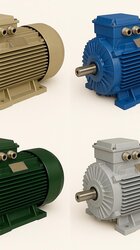
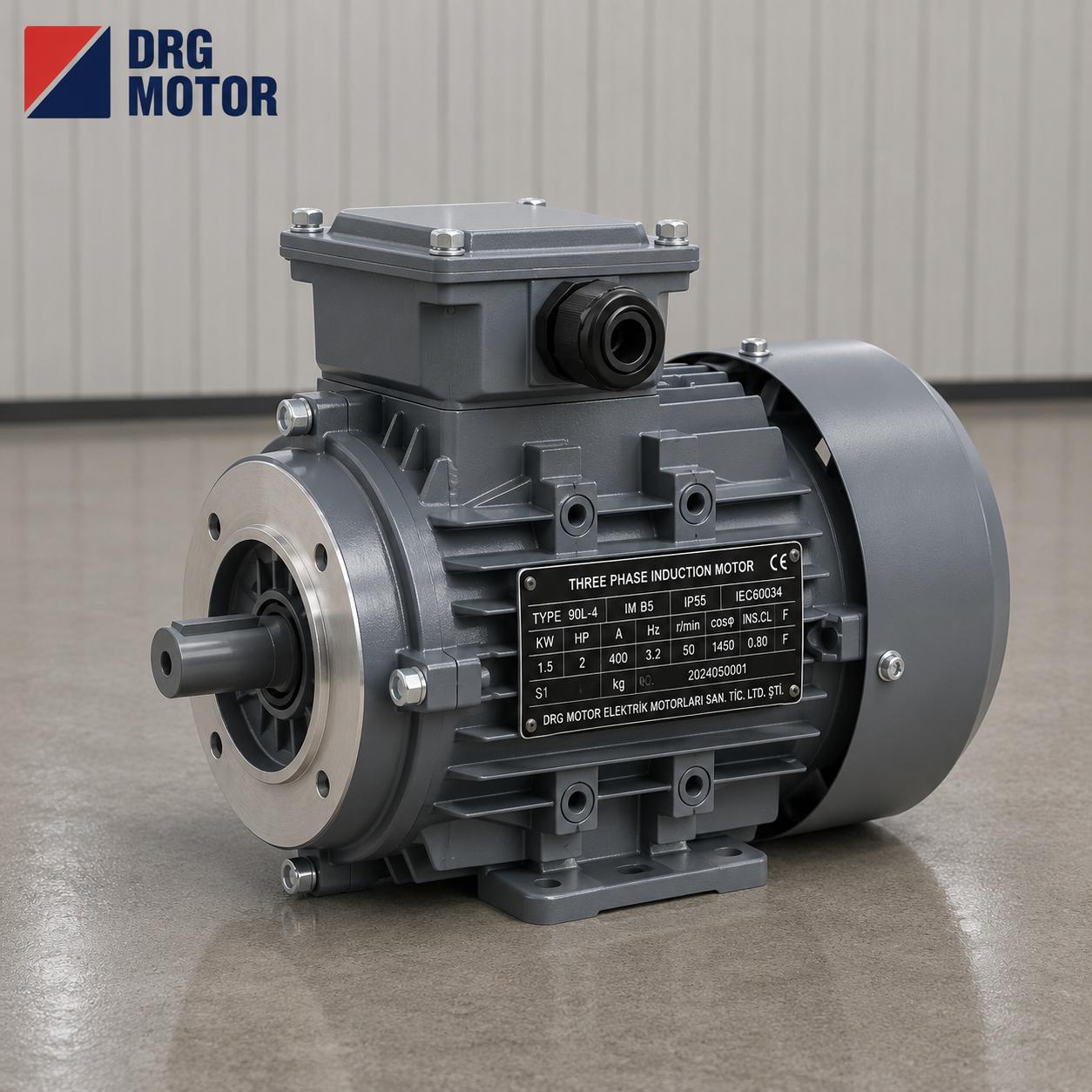

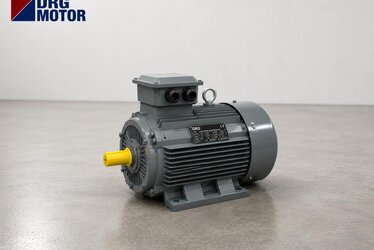
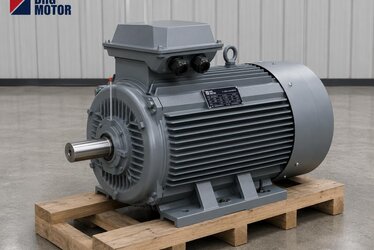
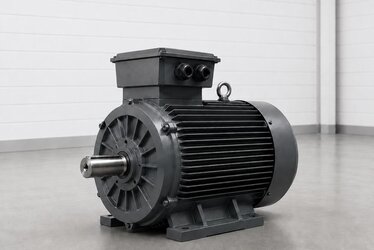
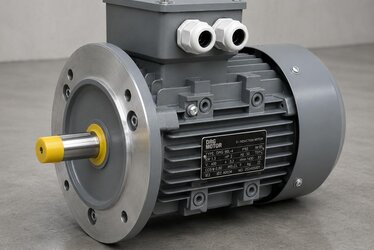
In fan and blower systems, performance is usually decided before the impeller is even chosen, at the moment you select the motor. The wrong flange type, a speed that is too high or too low, or a power rating that does not sit on the duty point all turn into wasted energy, vibration and premature failure. At DRG we supply B5 flange, 2 and 4-pole fan motor units to fan and blower manufacturers, HVAC companies and maintenance teams. This article walks through the mounting, speed, power matching and protection topics that actually drive the purchasing decision, using field examples so we can pin down the right configuration for your line together.
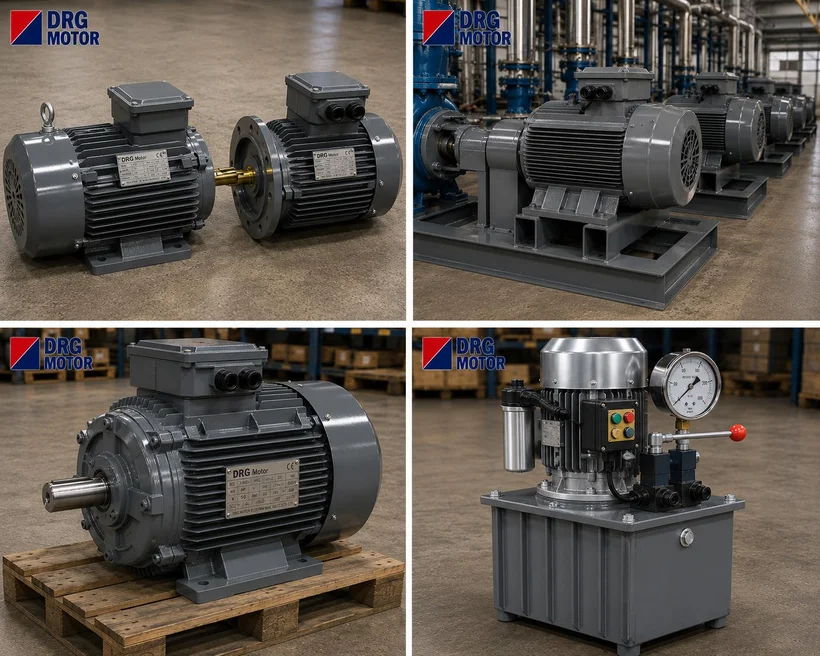
Why the B5 Flange Is the Standard for Fan Duty
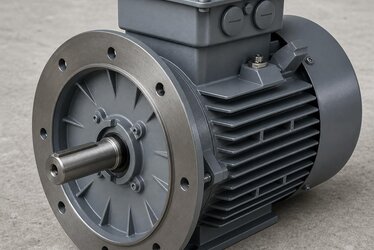
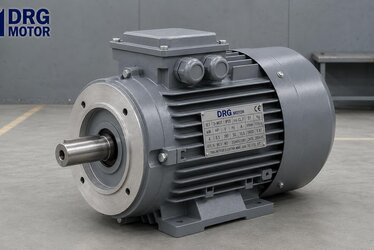
In fan and blower housings the motor is typically mounted on the same axis as the impeller and bolted directly to the casing. The B5 flange is the connection geometry designed precisely for this: a circular flange around the shaft axis on the drive-end shield, with a defined bolt pattern. This lets the motor be fixed axially flush against the flange face of the fan housing, so when the impeller is fitted straight onto the shaft, concentricity error is kept to a minimum. Compared with a foot-mounted (B3) motor, the biggest advantage of B5 on the fan side is that shaft-to-impeller alignment is captured automatically during assembly, which lowers vibration. A misaligned installation is the single most common field error that shortens bearing life and raises noise; B5 reduces that risk structurally.
2-Pole or 4-Pole? The Logic Behind Speed Selection
In the fan world, speed is the one variable that directly sets flow and pressure, so pole count cannot be left to chance. 2-pole motors run at roughly 2800-2900 rpm at 50 Hz and are preferred for small-diameter, high-speed centrifugal impellers and blower applications that need high static pressure. 4-pole motors deliver around 1400-1450 rpm and are ideal for large-diameter axial fans, roof extractors and general ventilation, that is, the high-flow, low-pressure profile.
- 2-pole (~2900 rpm): high pressure, compact centrifugal blades, blower lines, dust and chip extraction systems.
- 4-pole (~1450 rpm): large axial fans, general ventilation, condenser and evaporator fans, quieter operation.
A practical rule: as impeller diameter grows, you need lower speed, meaning 4-pole, to keep the blade tip speed under control. While you can move the same airflow with a smaller impeller at high speed, both noise and energy consumption climb. The right pole count is usually decided together with your noise and efficiency targets, which is why we ask you to share the impeller diameter and the target operating point at the quotation stage.
Matching Power to the Flow-Pressure Curve
The most critical yet most frequently skipped step in fan motor selection is sizing motor power against the fan's real operating point. The power a fan draws is proportional to flow (m³/h) and total pressure (Pa). Instead of the peak figures pulled from a catalogue, you should base the sizing on the power at the true duty point where the system resistance curve crosses the fan curve. Density matters too: hot gas or high altitude means less dense air, but the fan draws its highest power when commissioned under cold conditions, so motor power should always be chosen for the worst case with a sensible safety margin.
Oversizing is not a safe shortcut either: an induction motor running at light load loses efficiency and power factor, and energy is wasted. The goal is a rating that loads the motor at about 75-90% of nominal at the duty point. Once we have your flow, pressure and speed data, DRG calculates the right power-and-pole combination for you and proposes a clear configuration.
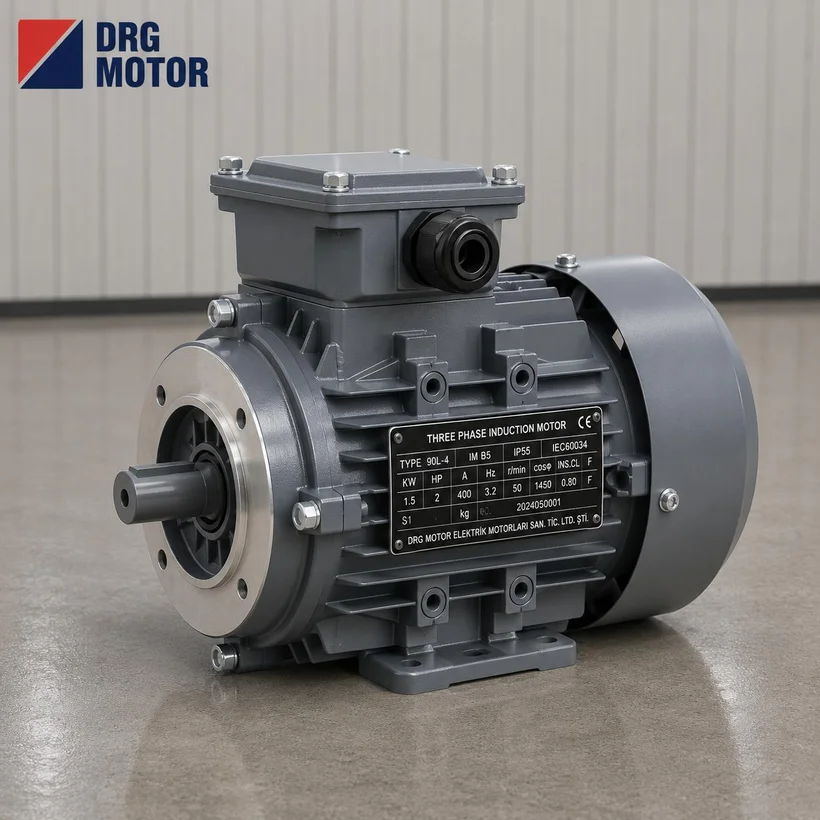
IP55 Protection: Supply Matched to the Fan's Environment
Fan motors rarely operate in a clean, dry control room. More often they work in dusty production areas, humid ducts, on facades or on roofs, all exposed to splashing water. That is why our standard supply emphasises IP55 protection: protection against dust ingress and resistance to low-pressure water jets from any direction. For dust extraction, chip collection and outdoor fans, IP55 is the practical minimum; for harsher conditions we can also point you to IP56 and higher options.
Alongside the protection rating, cooling must not be forgotten. Fan drives mostly run in continuous (S1) duty, so the airflow of the motor's own cooling fan must not be obstructed, and the mounting orientation and flange face must not restrict heat dissipation. For high-ambient applications such as hot-gas exhaust, we provide technical support so we can work through the derating calculation with you.
What to Watch If It Runs on a Variable Frequency Drive
Most modern ventilation lines now run at variable speed. Because fan laws mean a 20% speed reduction can roughly halve the power, using a drive brings serious energy savings. But for a fan motor driven by an inverter we watch a few points: on motors whose self-cooling weakens at low speed, thermal protection or external cooling must be planned, and the insulation class (usually class F) must suit the inverter's voltage pulses. Settling these criteria up front for lines that run across a wide speed range prevents the overheating and winding failures seen in the field. If you share the inverter brand/model and the operating range before supply, we will recommend a compatible motor.
Spare Parts and Fast Supply: Keeping the Line Running
When a fan motor fails on a production or ventilation line, the problem is rarely a single motor, it is often the whole line going down. So we recommend making the supply decision not only on the first price but on spare availability and delivery time. We manage B5 flange 2 and 4-pole motors in common frame sizes (IEC standard axis heights) on a stock basis, and we build a spare plan for critical lines. A standardised motor fleet also lowers your future replacement and spares cost.
Balance is another point to watch with fan motors. If the shaft turning together with the impeller cannot hold its dynamic balance after installation, vibration quickly wears both the bearings and the housing fixings. So when planning a spare, you should think not only about the motor but about the overall balance of the impeller-and-shaft assembly. When we select an equivalent with the same frame size and shaft diameter as the existing motor, the impeller usually does not need rebalancing, which lets you bring the line back online far faster. For critical fans we recommend a two-tier supply plan, an immediately available spare plus a planned upgrade, so an unexpected failure never stops production for days.
To speed up the supply process, we clarify a few basics when we take your request: required power (kW), pole count, flange type and the voltage/frequency values. With this data in hand we can come back with availability and lead time the same day. If anything is uncertain, simply sharing the fan's flow-pressure target and operating environment is enough; we work out the rest together.
When you send the nameplate details of your existing motor (power, pole count, flange type, frame size, IP rating), we prepare a comparative quote for a direct equivalent or a more efficient alternative. You can review the full range on our fan motors page and send your request directly from there.
Let's Define the Right Configuration Together
Motor selection for fan and blower lines is a holistic decision where flange geometry, speed, power and protection class complement one another. When you secure alignment with the B5 flange, quiet and efficient running with the correct pole count, low energy cost with power matched to the duty point, and field durability with IP55, your line will run trouble-free for years. At DRG we stand beside you with technical data on every one of these choices. Share your flow, pressure, impeller diameter and operating environment, and we will prepare a fast, clear quote for the most suitable B5 flange 2/4-pole motor for you.