 English
 Le français
 Türkçe

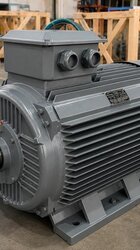
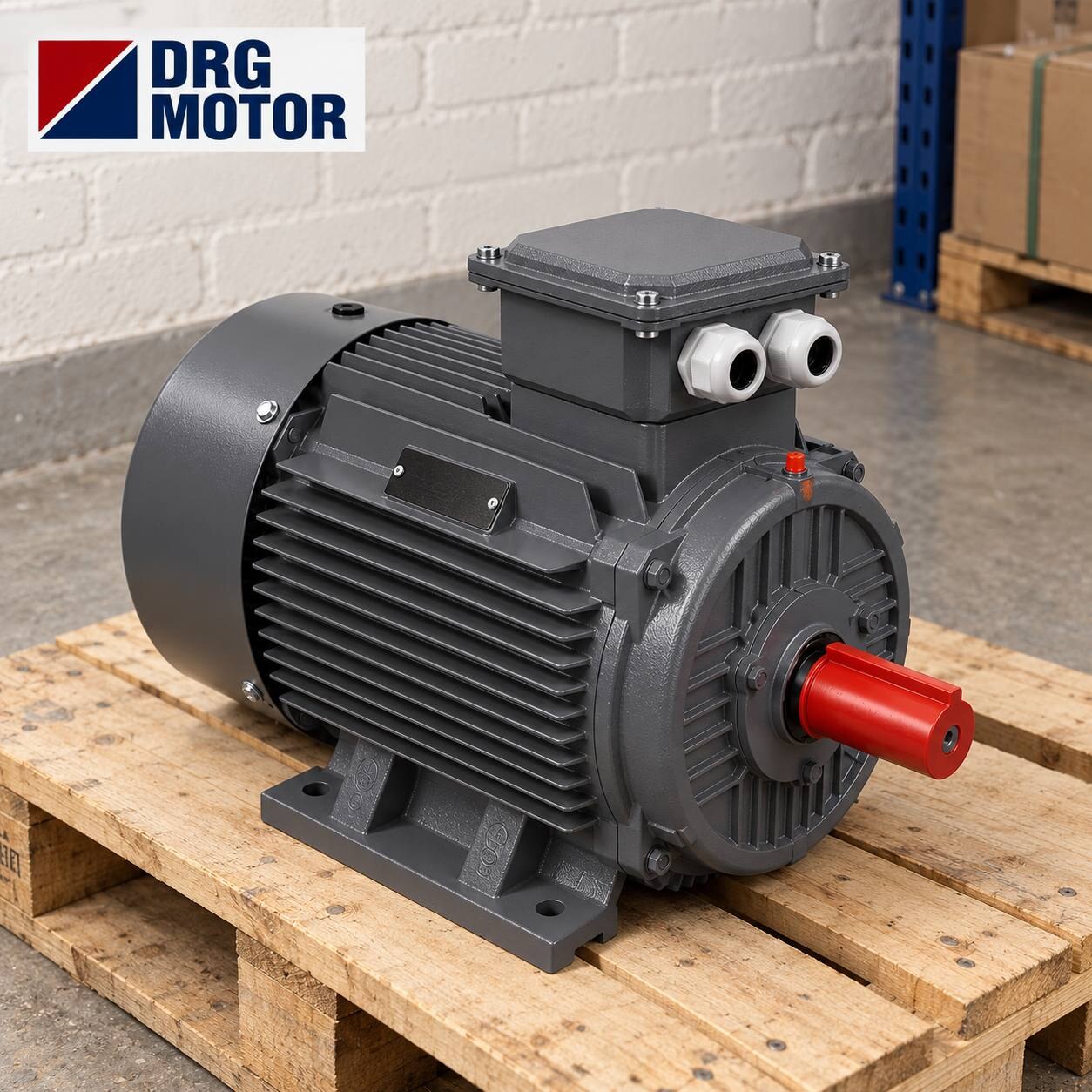

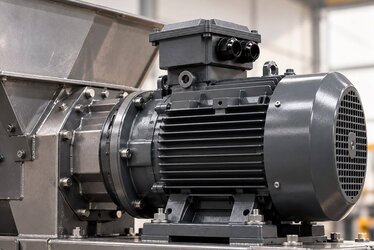
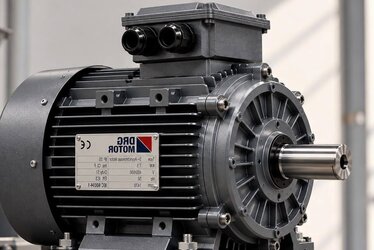
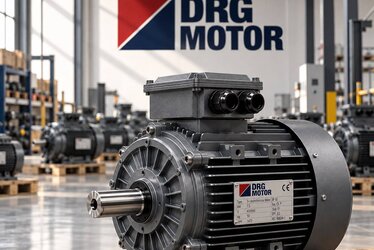
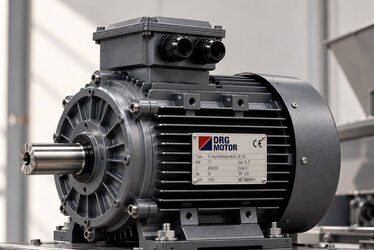
Aluminum body electric motors are asynchronous machines whose housing is cast from an aluminum alloy, making them a preferred choice wherever easy handling and mounting matter. Being roughly a third lighter than a cast iron equivalent, they offer a clear advantage for pump, fan and machine builders.
Thermal Behaviour of the Aluminum Housing
Aluminum has a higher thermal conductivity than cast iron, so the heat generated in the windings reaches the frame surface and cooling fins more quickly. As a result, a motor with Class F insulation running in a continuous S1 duty cycle can settle at a lower winding temperature than a cast iron unit of the same rating.
Comparison with Cast Iron
A cast iron frame stands out for mechanical strength in vibrating, high-impact heavy industry, while the aluminum frame is valued for its light weight and natural corrosion resistance. As a rule of thumb, aluminum suits small and medium ratings from 0.55 to 45 kW, whereas cast iron takes over at higher powers and in harsh conditions.
2-pole and 4-pole aluminium frames on pumps and food machinery
Aluminum body motors, available in 2-pole (3000 rpm) and 4-pole (1500 rpm) versions, are common on centrifugal pumps, ventilation fans, conveyors and food machinery. Their IP55 rating protects against dust and splashing water, and B3 foot, B5 flange and B14 face mounting options fit most gearboxes and equipment.
Choosing Aluminum or Cast Iron
The right choice depends on power, operating environment and mounting requirements. As an Izmir-based supplier, we keep both aluminum and cast iron frames in stock across the 0.55–355 kW range and helps you match the efficiency class, pole count and mounting type to your application.