 English
 Türkçe
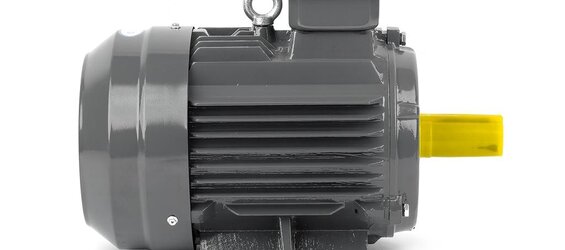
High Power AC Asynchronous IE3 Electric Motors
High-power AC asynchronous IE3 motors are the backbone of systems that run under continuous heavy load, such as crushers, large fans, centrifugal pumps and main drives. Because eve... More Details

High-power AC asynchronous IE3 motors are the backbone of systems that run under continuous heavy load, such as crushers, large fans, centrifugal pumps and main drives. Because eve... More Details
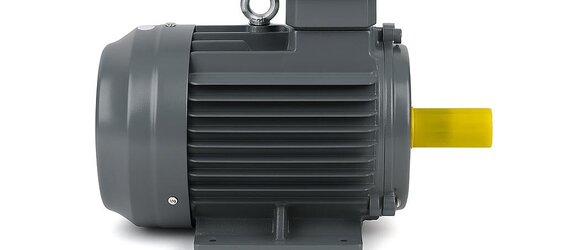
Low-kW 1500 rpm electric motors are the most common motor type in small pumps, fans, conveyors and automation machines. The 1500 rpm speed is the natural result of a 4-pole design ... More Details
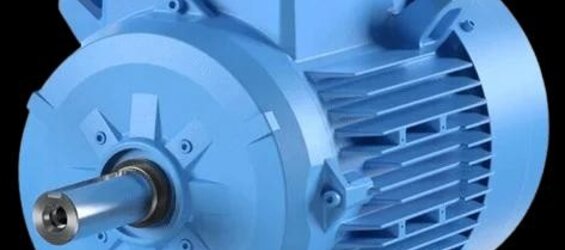
For a high-kW electric motor, "affordable" means not just a low sticker price but the most balanced cost relative to its power and service life. In large machines the motor consume... More Details
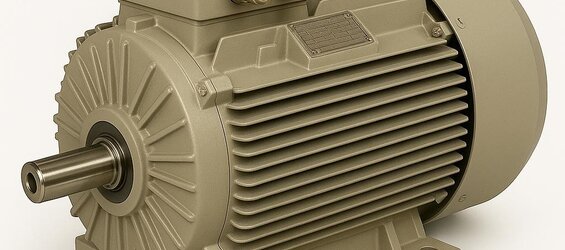
Electric motor sales within İzmir are a service tied directly to the city's industrial fabric. From the production plants in Kemalpaşa and Çiğli to the workshops in Bornova and Gaz... More Details
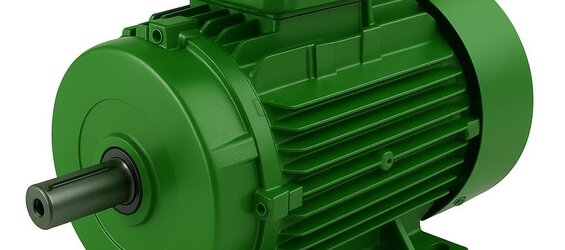
The real value of an IE3 motor shows less in the efficiency class on its label than in the manufacturing discipline behind it. A high quality standard is the result of a whole chai... More Details
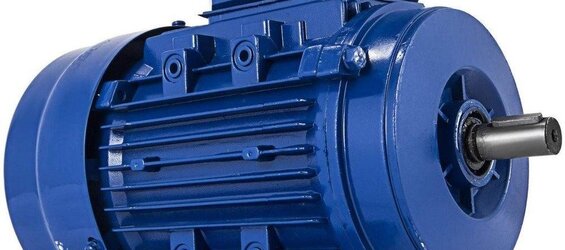
High-kW IE4 electric motors are designed for energy-intensive plants running long hours that seek the highest point of efficiency. The benefit of the efficiency class grows as powe... More Details
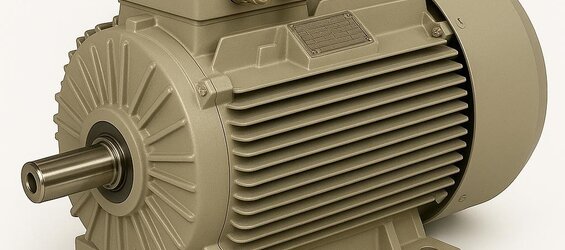
Heavy-duty applications expect a motor to deliver sustained high torque, withstand sudden load swings and run reliably in dusty, humid environments. The selection criteria for a mo... More Details
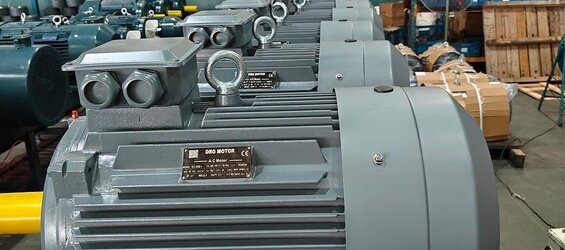
Izmir, with the Aliağa iron and steel plants, the Kemalpaşa industrial zone and the heavy-machinery operations around its port, is a region where motors running under sustained loa... More Details
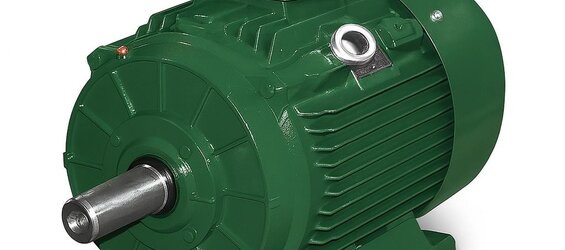
Low-power IE3 motors provide an efficient, compact solution for small pumps, fans, dosing systems and automation machinery. The price of these motors cannot be reduced to a single ... More Details
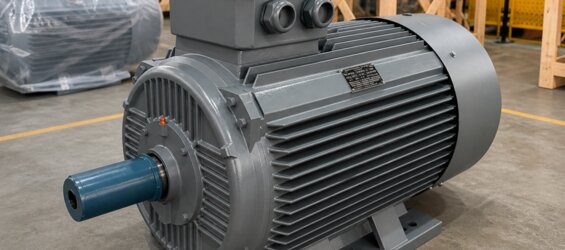
At the heart of an induction motor there is a part that often goes unnoticed but directly determines efficiency: the squirrel-cage rotor. The rotating magnetic field produced by th... More Details
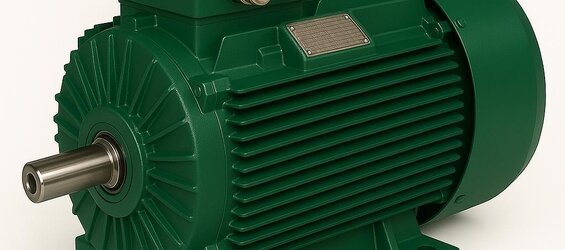
The three-phase asynchronous motor, with its squirrel-cage rotor and no external electrical connection to the rotor, is the most widely used drive machine in industry. The rotating... More Details
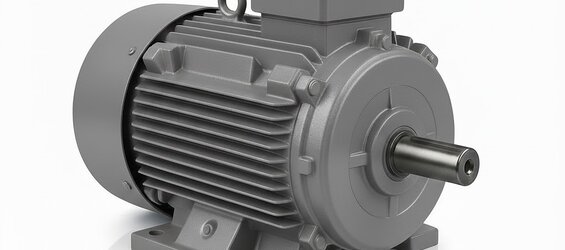
With dense organised industrial zones such as İkitelli, Dudullu and Tuzla, Istanbul is Turkey's largest production and trade centre. For automotive supplier industries, food, plast... More Details
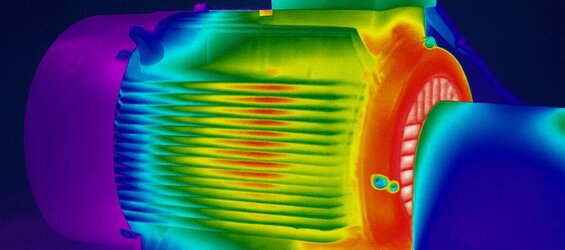
The 5.5 kW electric motor covers the standard power requirement of small and medium machinery and is commonly built in the IEC 132S frame size. This power class is frequently chose... More Details
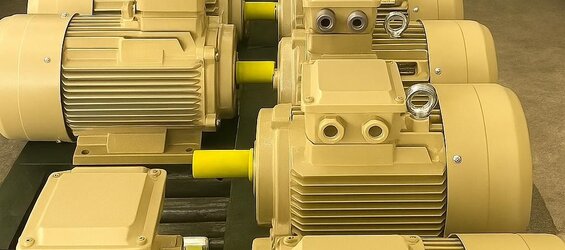
The IE5 Ultra Premium efficiency class represents the highest tier defined by IEC 60034-30-1 and reduces losses by roughly 20 percent compared with the current IE4 class. This clas... More Details
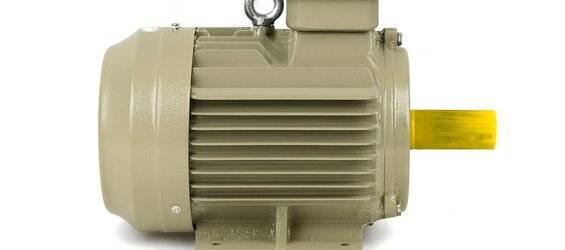
The food, plastics, textile and metalworking plants concentrated in Izmir's organised industrial zones such as Kemalpaşa, Çiğli and Aliağa rely on dependable electric motors that r... More Details
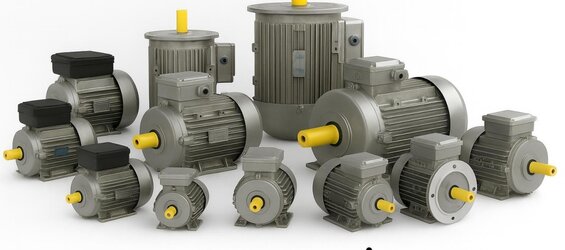
A low kW electric motor is a compact, economical solution covering power needs between 0.12 kW and 7.5 kW. In low-torque applications such as small pumps, fans, conveyors, automati... More Details
When you manufacture or purchase an electric motor, it is not enough for the motor to work technically; in many markets the motor must also meet a certain minimum efficiency level.... More Details
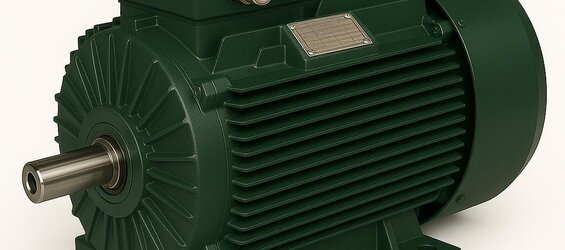
When you connect a motor directly to the grid, the windings meet a smooth, gentle sinusoidal voltage. But when you connect the motor behind a frequency inverter, the situation chan... More Details
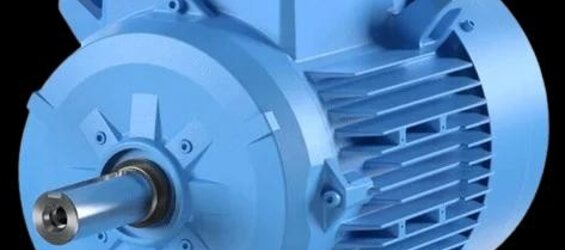
Compressed air is often called the "fourth utility" in industry; an infrastructure that sits alongside electricity, natural gas, and water and is found in almost every facility. It... More Details
When a crane lowers its load, when an elevator descends, or when a high-inertia centrifuge slows down, the motor does not actually stop; it begins to convert mechanical energy back... More Details