 English
 Le français
 Türkçe

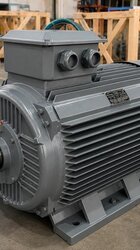
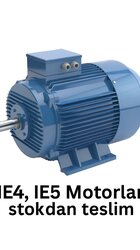
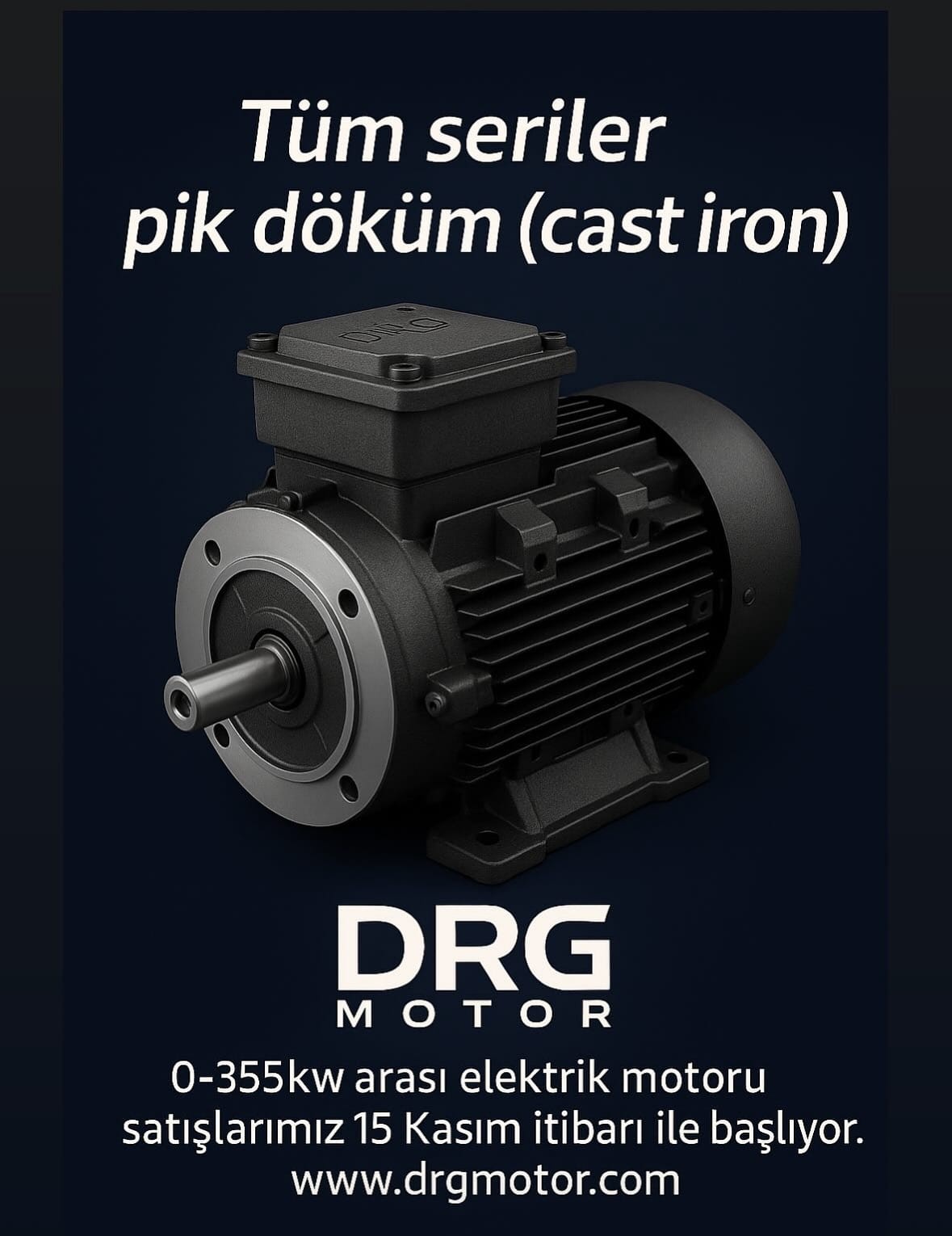

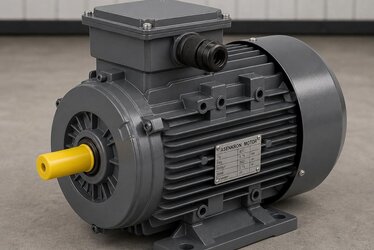
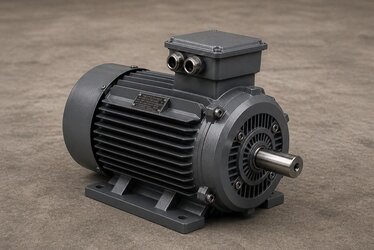
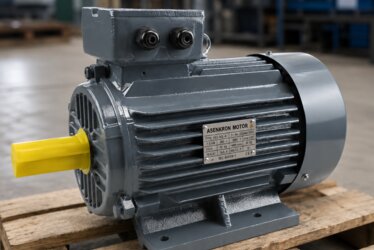
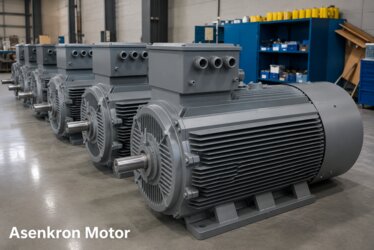
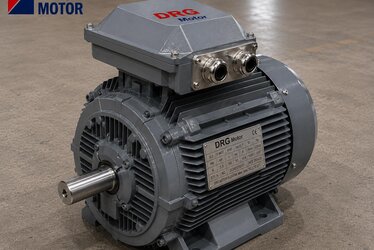
A motor's frame is not just an outer shell; it is a structural component that carries heat away from the windings, supports the bearing seats and damps vibration. The frame material is therefore one of the most important factors in how long a motor lasts under hard conditions. This is exactly why cast iron frames are preferred in heavy industry.
Cast Iron versus Aluminium
An aluminium frame is light and practical at small ratings, but cast iron has higher mechanical strength and a greater capacity to damp vibration. Under impact, bending and thermal expansion, cast iron holds its shape and the alignment of the bearing seats more reliably.
Vibration and Mechanical Load
In vibrating duties such as crushers, mills and conveyors, the frame's damping ability directly affects bearing life. The dense, damping nature of cast iron absorbs vibration without passing it on to the windings and bearings, reducing early failures.
Heat Management and Insulation Life
In a motor with F-class insulation, keeping the winding temperature under control is critical to insulation life. Cast iron conducts heat to the frame surface and aids cooling, which is an advantage in continuous (S1) duty and high ambient temperatures.
Where Should It Be Preferred?
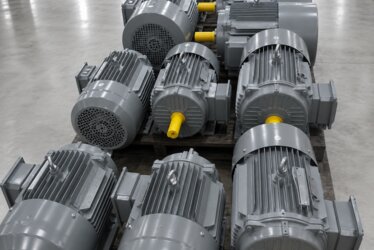
For demanding duties such as stone crushing, mining, cement, pumps and fans, DRG Motor supplies IP55-protected, F-class insulated cast iron frame motors from 0.55 to 355 kW. We can determine the right frame and efficiency class together based on your application's load and ambient conditions.