 English
 Le français
 Türkçe

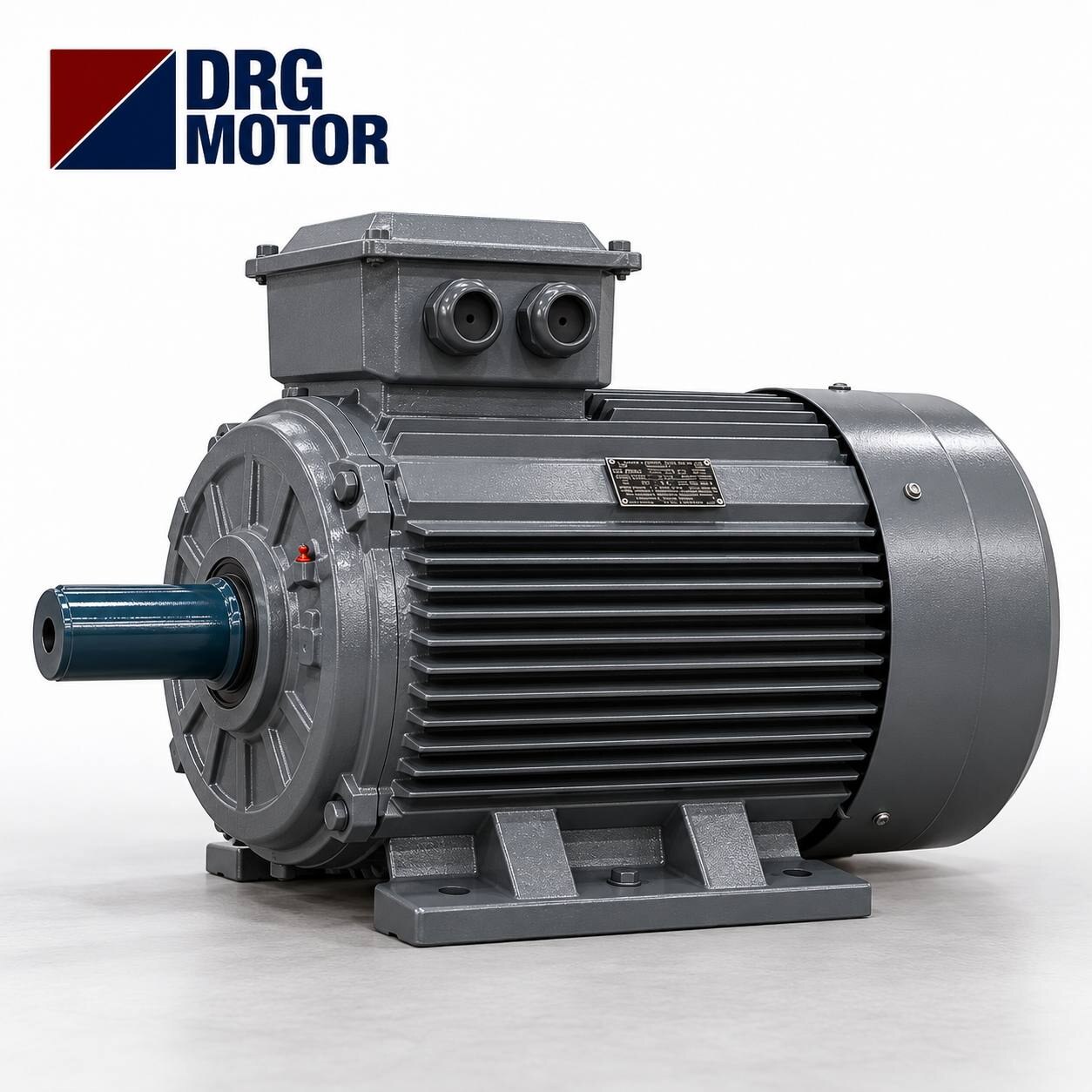

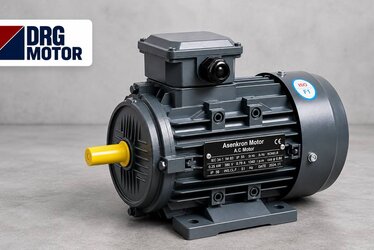
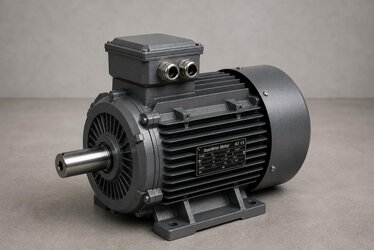
Three-phase electric motor prices are the result of several technical factors, from the motor's power and efficiency class to its frame and mounting type. So when assessing price, you should look not just at the figure but at the motor's fit to the application.
How Power and Speed Relate to Price
The first factor setting the price is power: there is a wide gap between a 0.55 kW and a 355 kW motor. At the same rating, lower-speed models (6-pole, 1000 rpm) need a larger frame, so they cost more than 2-pole 3000 rpm models.
Efficiency Class and Frame
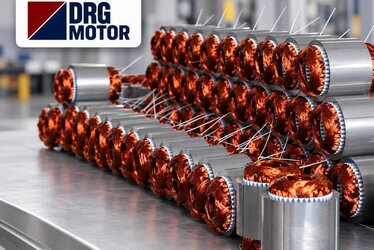
IE3 and IE4 motors cost more than IE2 because of their extra copper and low-loss core, but in return their energy use is lower. A cast iron frame raises the price over aluminium, and protection above IP55 over the standard.
Lifetime Cost, Not the Sticker Price
On a continuously running motor, the energy bill far exceeds the purchase price. So although a higher efficiency class has a higher upfront price, on lines running under S1 duty the total cost is lower and the gap closes over time.
What's Needed for an Accurate Quote
An exact price needs the power, speed, efficiency class, frame and mounting type. With these details, DRG Motor offers a current, application-specific quote for three-phase motors in the 0.55–355 kW range.