 English
 Le français
 Türkçe

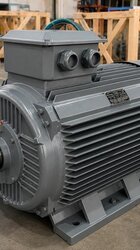
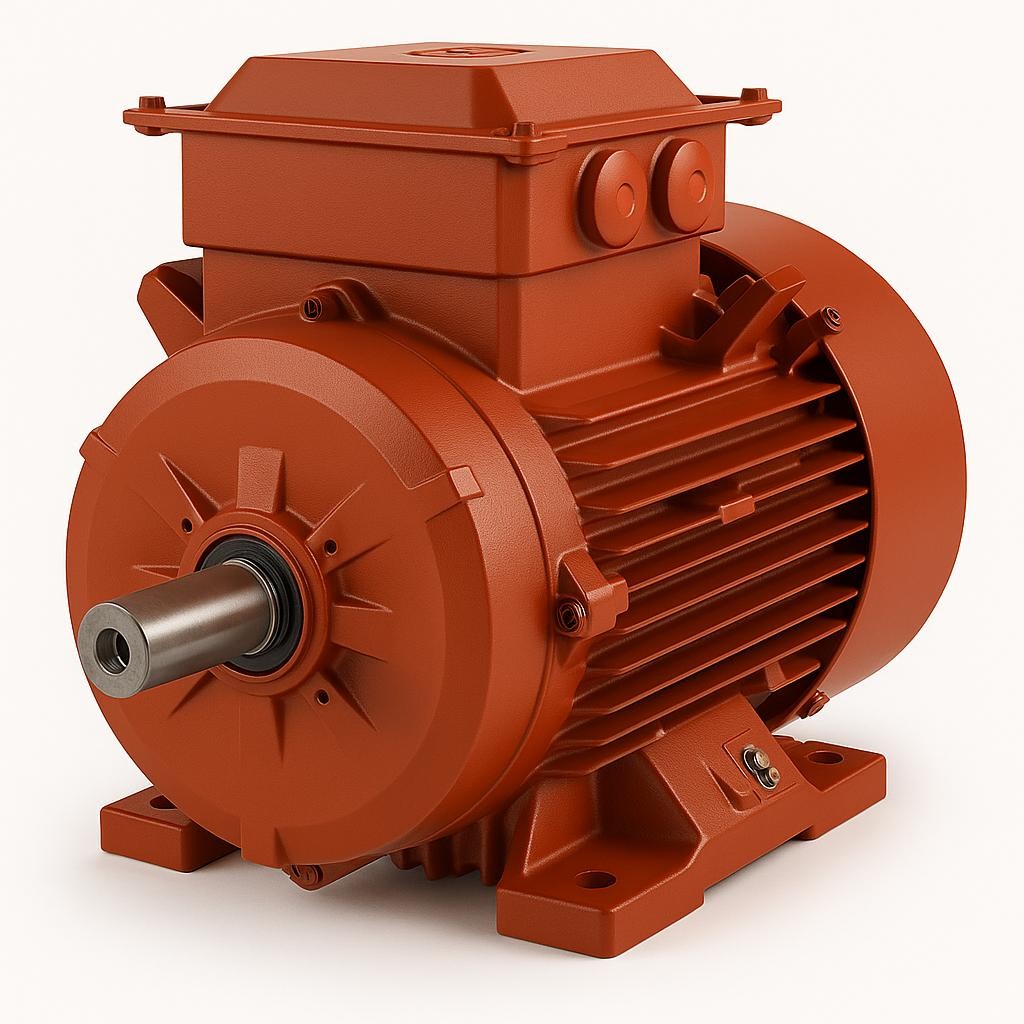

The price of a three-phase asynchronous motor cannot be captured by a single tag; power, speed, efficiency class, frame material and mounting type together set the figure. The soundest approach is to clarify the application's needs first, then request a current quotation based on those parameters.
Factors That Set Power and Speed
The motor's kW rating is the biggest price driver; as power rises, so does the amount of copper, iron and casting. Pole count (2 poles 3000 rpm, 4 poles 1500 rpm, 6 poles 1000 rpm) affects both size and cost. At the same kW, a lower-speed motor is usually larger and more expensive.
Efficiency Class and Material
High efficiency classes such as IE3 and IE4 raise the purchase price because they use more copper and better-grade laminations; in return they cut energy use and lower the total cost over the motor's life. A cast iron frame is more durable than aluminium and generally carries a higher cost.
Mounting, Protection and Extras
The choice of B3 foot, B5 flange or B14 face mounting, the IP protection class, and extras such as thermal protection (PTC), an encoder or a special shaft all influence the price directly. Every non-standard request also changes the production and delivery time.
How to Get an Accurate Quote
For a firm price, it is enough to share your application's power, speed, efficiency class and mounting type. DRG Motor provides a current, clear quotation for three-phase asynchronous motors in the 0.55–355 kW range based on these parameters; pass on your requirements to request a tailored offer.