 English
 Le français
 Türkçe

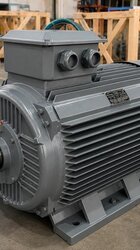
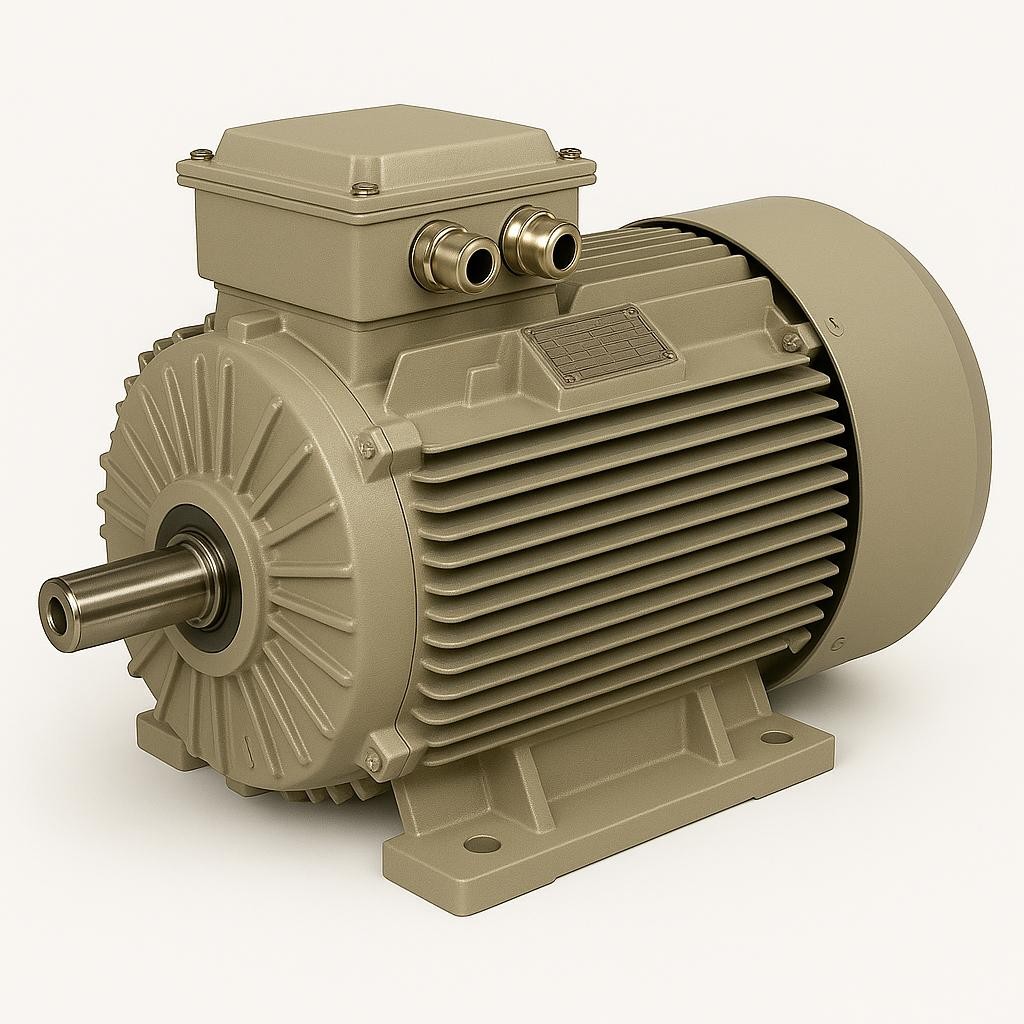

Electric motors split into two main groups by supply type: three-phase and single-phase. The choice between them depends on the application's power requirement and the available grid infrastructure. Determining the right type is a critical step for both performance and operating cost.
How Three-Phase Motors Work
Three-phase motors run on the rotating magnetic field created by the three phases of a 400 V supply. This arrangement gives high efficiency, smooth torque and long life, which is why three-phase induction motors are used in almost all industrial applications above 0.55 kW. They also need no extra capacitor for starting.
Where Single-Phase Motors Are Used
Single-phase motors run on a single-phase 230 V supply and are usually preferred at small powers between 0.18 and 3 kW. They are common in domestic, agricultural and small commercial applications without three-phase supply, in water pumps, fans and compressors. They use an auxiliary winding and capacitor to create the rotating field.
Which Type to Choose When
If a three-phase supply is available and the power need is above a few kilowatts, a three-phase motor is always more efficient and economical. A single-phase motor makes sense only where single-phase access alone exists or at very low powers. Choosing the wrong type can cause unnecessary energy loss and early failure.
Three-Phase and Single-Phase Options at DRG Motor
İzmir-based DRG Motor offers both three-phase and single-phase motors in various power and speed options. Once you share your supply type, power need and application, it helps you determine the motor that exactly fits your requirement and the right mounting type.